Formula details
Product Details
Overview
Bronze Investment Casting Part Overview
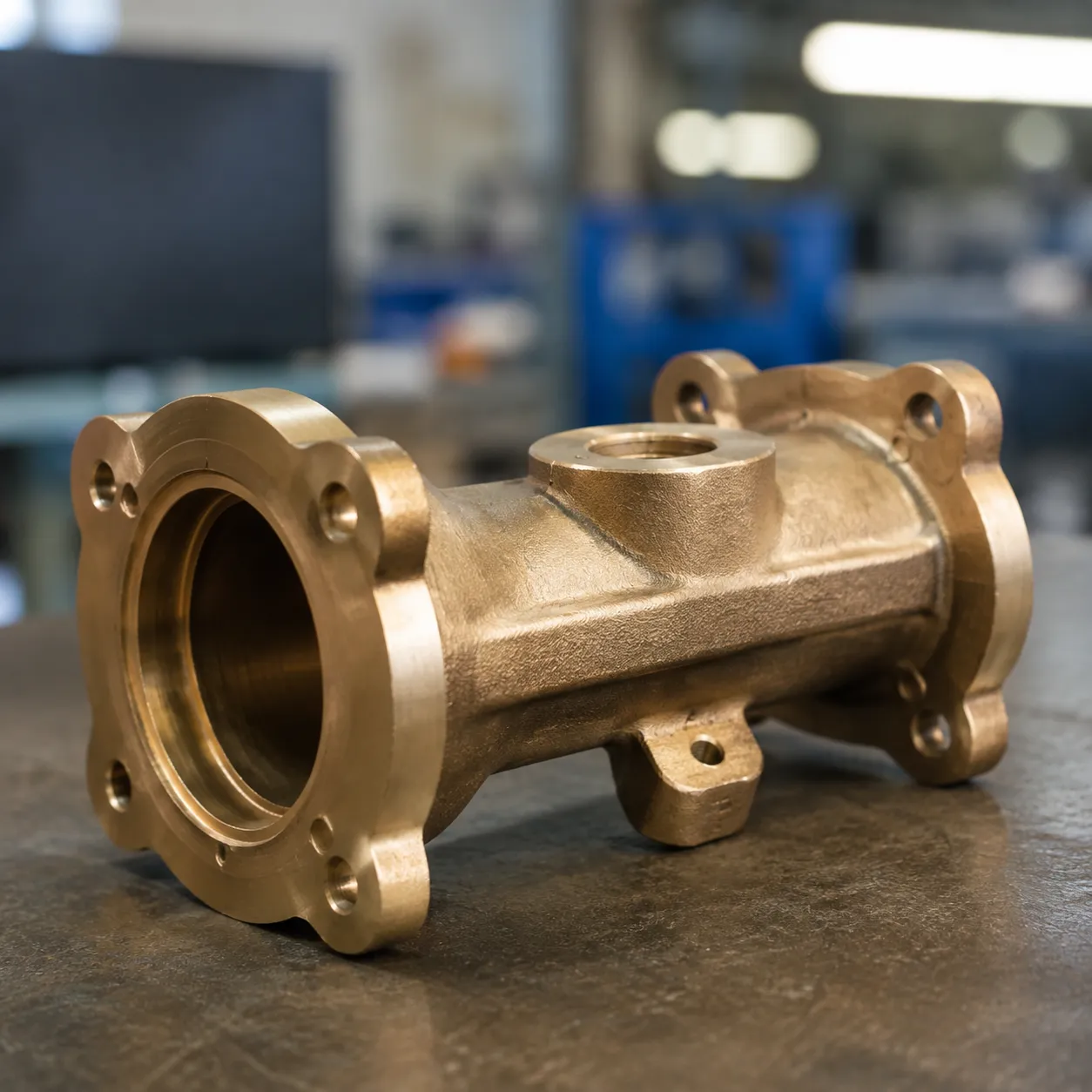
A bronze investment casting part is produced by the lost wax process (cire perdue) inside a ceramic shell for near-net-shape industrial components. As-cast finishes typically reach Ra 3.2-6.3 µm with tight tolerances near +/-0.005 in/in (ISO 8062 CT4-CT6). Alloy options include aluminum bronze, silicon bronze, manganese bronze, and tin bronze for corrosion resistance, wear service, and copper investment casting parts programs.
Overview of the Bronze Investment Casting Process
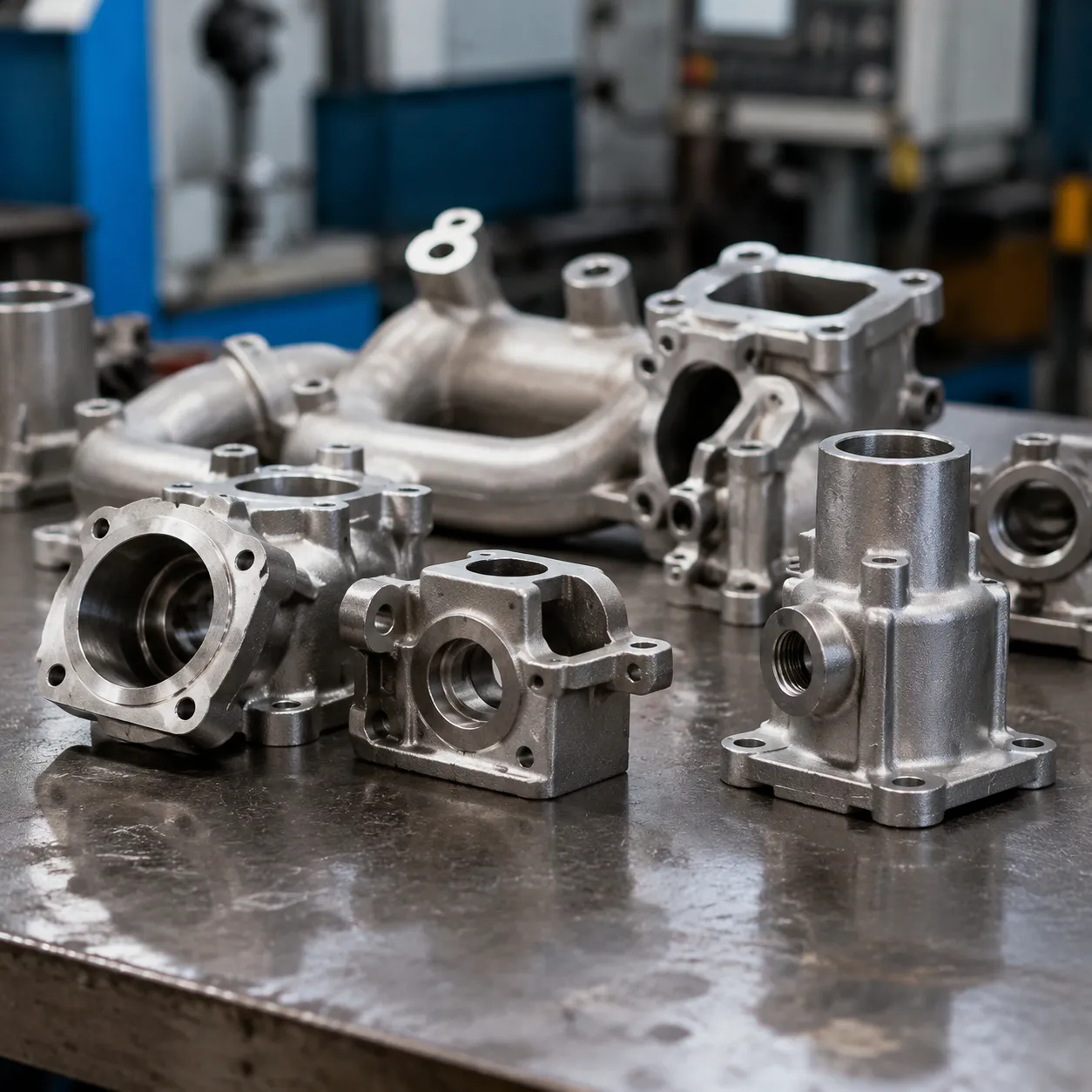
The bronze investment casting process, historically known as the lost wax process (cire perdue), is an advanced precision casting method used to produce high-integrity components with complex geometries. The method pairs with precision CNC machining to deliver net-shape or near-net-shape bronze components.
- Wax Pattern Creation: High-precision wax models are injected using dedicated tooling.
- Tree Assembly: Individual wax patterns are attached to a central wax sprue to form a tree.
- Ceramic Shell Building: The assembly is repeatedly dipped into ceramic slurry and coated with refractory materials to form a durable ceramic shell.
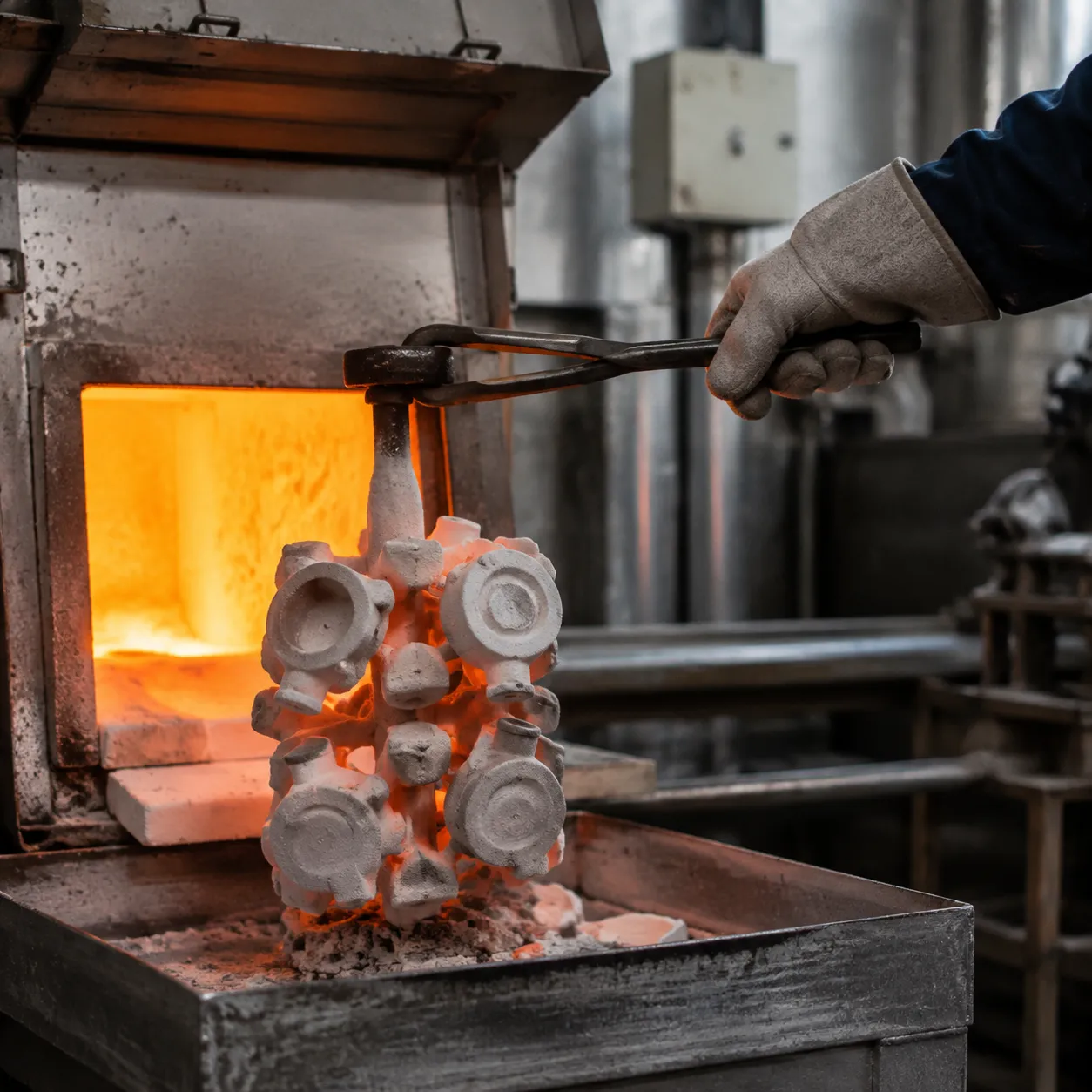
- Dewaxing & Firing: The shell is autoclaved to melt out the wax, leaving an intact cavity, and fired at high temperatures.
- Molten Metal Pouring: Molten bronze alloy is poured into the preheated ceramic mold shell under precise temperature control.
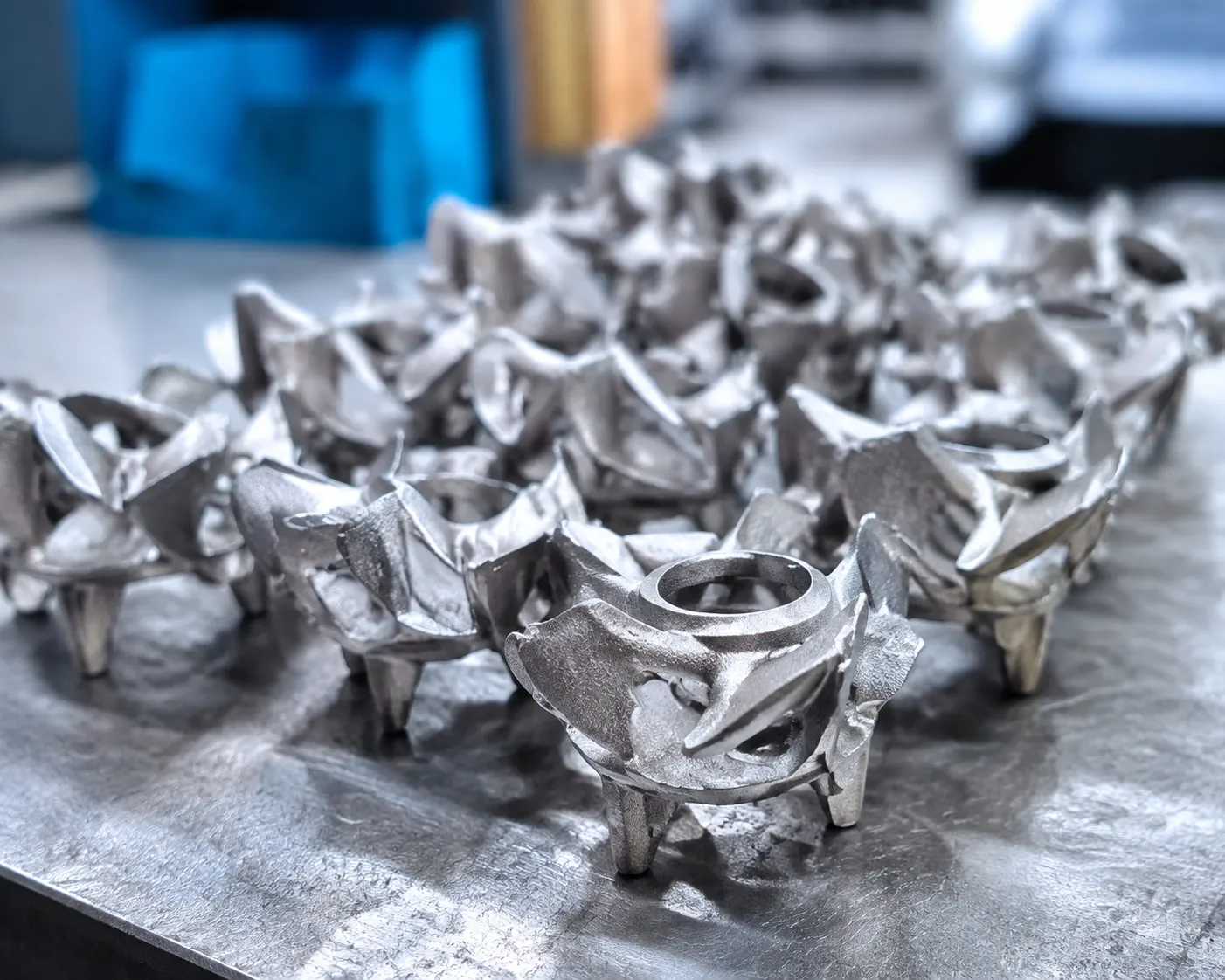
- Knockout & Finishing: After cooling, the ceramic shell is broken away, parts are severed from the sprue, and surface finishing operations are performed.
Key Properties of Bronze Investment Cast Parts
Bronze investment casting parts offer superior mechanical and physical properties tailored for demanding industrial environments:
- Exceptional Corrosion Resistance: Highly resistant to saltwater, atmospheric oxidation, and aggressive industrial chemicals.
- High Wear & Friction Resistance: Ideal for high-friction applications like bushings, bearings, and wear plates.
- Superior Dimensional Accuracy: Achieves tight tolerances, reducing or eliminating the need for extensive secondary post-processing.
- Outstanding Surface Finish: Produces smooth surfaces directly out of the mold, reducing polishing requirements.
- Complex Geometry Capability: Easily accommodates internal passageways, thin walls, and intricate design details impossible through standard machining.
Comparison: Investment Casting vs. Sand Casting for Bronze
While both methods process copper-base alloys effectively, precision investment casting provides clear technical advantages for detailed, high-performance parts.
| Feature / Metric | Investment Casting (Lost Wax Process) | Sand Casting |
|---|---|---|
| Dimensional Tolerance | ISO 8062 CT4-CT6 (Tight tolerances) | ISO 8062 CT8-CT10 (Looser tolerances) |
| Surface Roughness | Ra 3.2 µm - 6.3 µm (Smooth surface finish) | Ra 12.5 µm - 25 µm (Coarse surface finish) |
| Design Complexity | High (Thin walls, intricate internal channels) | Moderate (Simple shapes, limited core detail) |
| Machining Allowance | Minimal (Near-net shape saves material) | Substantial (Requires heavy CNC machining) |
| Initial Tooling Cost | Moderate to High | Low |
| Production Scale | Optimal for medium-to-high volume & precise parts | Optimal for low volume & large, heavy parts |
Advantages of Bronze Investment Cast Parts
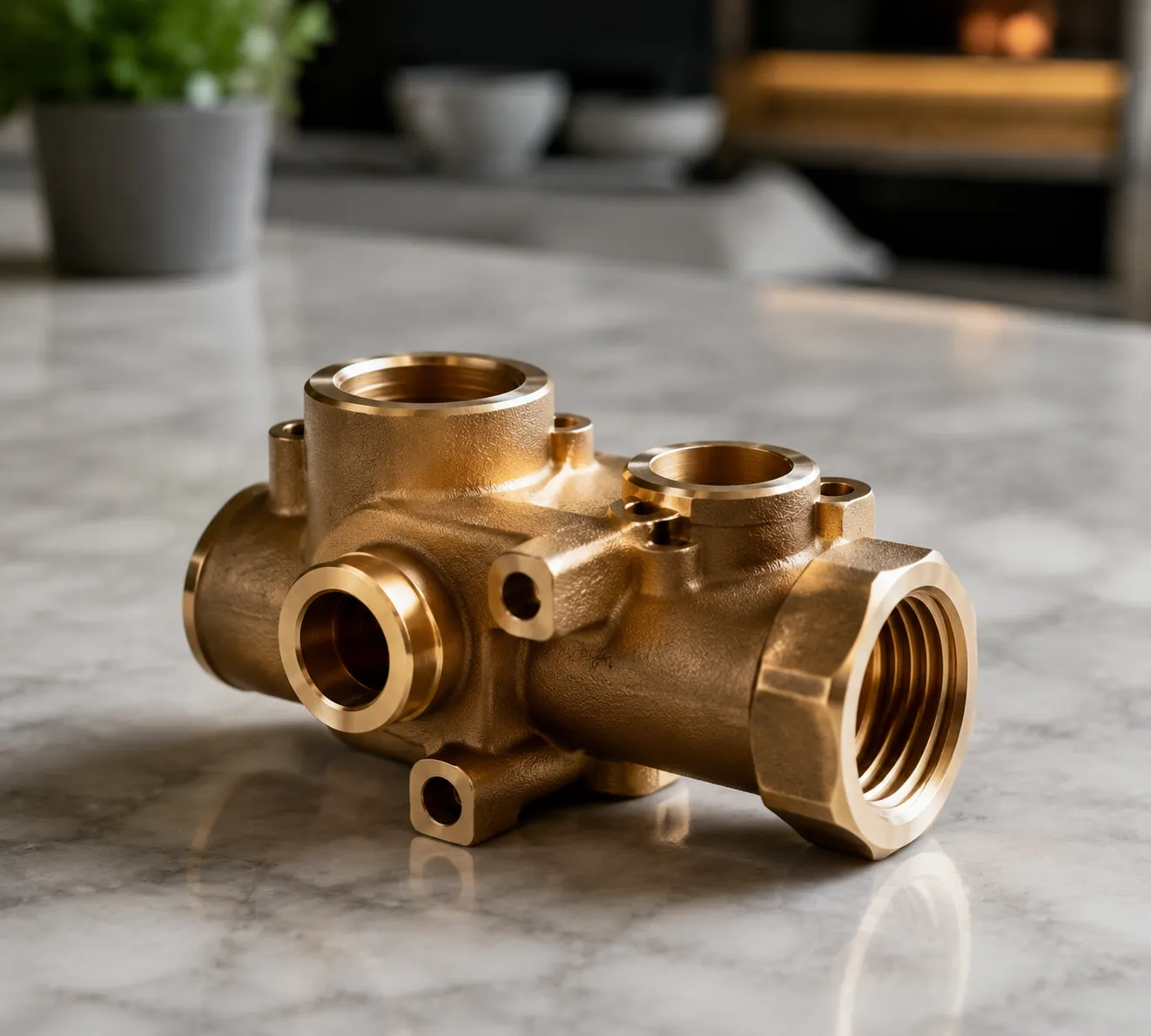
A custom bronze investment casting part delivers dimensional accuracy, corrosion resistance, and durable surface finishing for industrial components. Lost wax precision casting produces near-net-shape parts that reduce heavy machining versus traditional fabrication.
High Dimensional Accuracy and Complex Geometries
Lost wax precision casting creates intricate geometries that are difficult or cost-prohibitive to machine from solid bar stock.
- Tight Tolerances: Achieve precise dimensions straight out of the ceramic shell.
- Complex Passageways: Form internal cooling channels, thin walls, and fine surface details easily.
- Part Consolidation: Combine multiple assembled components into a single, seamless bronze casting.
Exceptional Corrosion and Wear Resistance
Bronze alloys naturally resist oxidation, biofouling, and continuous friction. Specialized Brass Bronze Copper Castings programs support long service life in aggressive marine, chemical, and industrial environments. High-performance compositions such as aluminum bronze and silicon bronze deliver heavy-duty load support and high corrosion resistance.
Superior Surface Finish with Reduced Machining Need
The fine ceramic shell mold used in investment casting produces exceptionally smooth surface finishes (typically 125 RMS or better).
- Minimal Post-Processing: Drastically reduces the need for secondary polishing or grinding.
- Machining Savings: Requires far less CNC finish-machining, saving energy and tooling costs.
- Aesthetic Appeal: Delivers clean lines and high-grade visual appeal out of the mold.
Material Efficiency and Reduced Scrap Rates
Bronze is a valuable alloy, making material efficiency crucial to overall production costs. Investment casting is a near-net-shape process that maximizes yield.
| Efficiency Metric | Bronze Investment Casting | Traditional Subtractive Machining |
|---|---|---|
| Material Scrap Rate | Extremely low (<5%) | High (up to 50% or more) |
| Raw Material Costs | Optimized for net weight | High raw stock waste |
| Production Time | Faster for mass complex shapes | Slow due to heavy metal removal |
By minimizing raw material waste, every bronze investment casting part provides maximum cost-effectiveness without sacrificing structural integrity.
Common Bronze Alloys Used in Investment Casting
Selecting the ideal alloy is essential to ensuring every bronze investment casting part meets exact structural and environmental performance targets. A diverse range of bronze compositions can tailor mechanical strength, wear resistance, and corrosion protection to the application.
Aluminum Bronze Castings
Aluminum bronze alloys provide high mechanical strength comparable to structural steel, combined with outstanding resistance to wear, cavitation, and saltwater corrosion.
- Key Traits: Exceptional tensile strength, superior shock absorption, and non-sparking characteristics.
- Primary Uses: Marine propulsion hardware, heavy-duty valve bodies, pump impellers, and high-stress aerospace and energy components.
Silicon Bronze Castings
Silicon bronze features exceptional fluidity during the lost wax process, making it the premier choice for complex geometries and thin-walled precision casting designs.
- Key Traits: High corrosion resistance, excellent surface finish, and low magnetic permeability.
- Primary Uses: Fluid-handling components, valve trims, pump housings, and decorative architectural elements requiring tight dimensional accuracy.
Manganese Bronze Castings
Manganese bronze offers high tensile strength and load-bearing performance under heavy operational shock and vibration.
- Key Traits: Superior ultimate tensile strength, wear toughness, and high shock resistance.
- Primary Uses: Heavy-duty gears, winch drums, high-load fasteners, and structural brackets.
Phosphor and Bearing Bronze Alloys
Phosphor bronze alloys feature added tin and phosphorus, yielding an exceptionally low coefficient of friction and superior resistance to fatigue and galling.
- Key Traits: Low friction, strong anti-galling capability, and high fatigue resistance under continuous motion.
- Primary Uses: Heavy-load bushings, sleeve bearings, wear plates, and precision worm gears.
Industrial Applications for Bronze Investment Castings
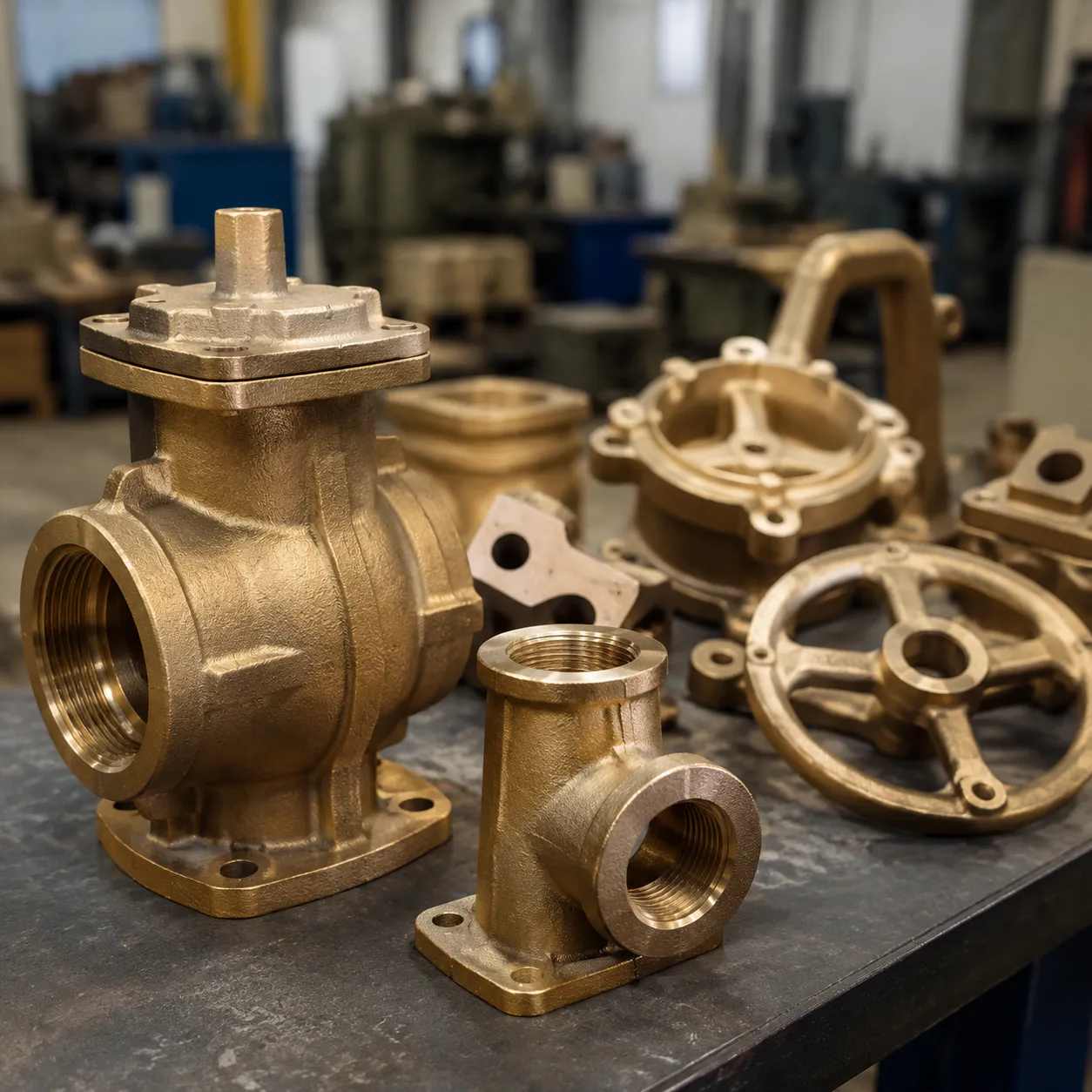
Every custom bronze investment casting part we produce delivers high structural integrity, exact dimensional tolerances, and outstanding durability across demanding industries. The versatility of bronze alloys makes them the preferred choice for applications requiring low friction, high tensile strength, and severe corrosion resistance.
Marine Hardware and Fluid Handling Equipment
Marine environments require materials that resist continuous exposure to saltwater, cavitation, and biofouling. We cast high-performance marine components using aluminum bronze and silicon bronze to ensure long service life in harsh sea conditions.
- Key Components: Propellers, impellers, underwater struts, sea strainers, and thru-hull fittings.
- Core Advantage: Exceptional natural resistance to marine growth, pitting, and galvanic corrosion.
Aerospace and Defense Components
Aerospace and defense systems demand high-strength materials capable of enduring heavy mechanical loads, friction, and thermal stress. Precision investment casting delivers dense, defect-free parts that meet strict industry quality standards.
- Key Components: Landing gear bushings, actuator arms, bearing cages, and flight control linkages.
- Core Advantage: Non-sparking properties, high fatigue strength, and reliability under extreme operating conditions.
Industrial Valves, Pumps, and Bushings
For fluid distribution and heavy machinery, mechanical components must handle abrasive fluids and high pressure without premature wear. We engineer custom bronze components tailored for high-performance fluid control valves and industrial pumping equipment.
| Application | Typical Components | Preferred Alloy |
|---|---|---|
| Valves & Controls | Valve bodies, stems, seats, discs | Phosphor & Silicon Bronze |
| Pumping Systems | Wear rings, impellers, pump casings | Aluminum Bronze |
| Heavy Machinery | Sleeve bushings, wear plates, thrust washers | Bearing & Tin Bronze |
Architectural, Artistic, and Decorative Hardware
Beyond industrial utility, the lost wax casting process allows us to replicate complex geometric details, crisp textures, and smooth surface finishes for high-end architectural and decorative installations.
- Key Components: Custom door hardware, luxury plumbing fixtures, artistic statues, and historical restoration fittings.
- Core Advantage: Fine detail replication and excellent compatibility with custom patina finishes.
Design Guidelines for Custom Bronze Investment Castings
Designing a custom bronze investment casting part requires balancing functional geometry with metallurgical realities. By optimizing design features early in the lost wax process, we help prevent shrinkage defects, ensure proper metal flow, and lower overall production costs.
Optimal Wall Thickness and Draft Angles
Achieving uniform wall thickness is vital to ensure smooth metal flow and avoid porosity or warping as the alloy cools inside the ceramic shell.
- Minimum Wall Thickness: We recommend a minimum section thickness of 1.5 mm (0.060 in) for small features. For larger structural areas, a thickness of 3.0 mm (0.120 in) ensures full mold filling.
- Gradual Transitions: Avoid abrupt changes in cross-sections. Taper heavy-to-thin transitions with a minimum 3:1 ratio to promote uniform solidification.
- Draft Angles: Investment casting requires far less taper than traditional sand casting. A draft angle of 0.5° to 1° is generally sufficient, and zero-draft features are frequently achievable on short vertical walls.
By utilizing our mold design simulation capabilities, we analyze thermal stress and fluid dynamics before cutting tooling, ensuring balanced wall geometry across complex cast parts.
Tolerances and Machining Allowances
Precision casting delivers exceptional dimensional accuracy, greatly reducing the volume of raw material that must be removed through post-processing. Standard linear tolerances typically hold within ±0.005 inches per inch.
| Design Parameter | As-Cast Standard | Secondary Process Target |
|---|---|---|
| Linear Tolerance | ±0.005 in/in (ISO 8062 CT4-CT6) | Tight tolerances via post-machining |
| Surface Roughness | 3.2 to 6.3 µm Ra (125 to 250 µin) | Down to 0.8 µm Ra through grinding/polishing |
| Machining Allowance | 0.8 mm to 1.5 mm (0.030 to 0.060 in) | Tailored per critical mating interface |
For high-precision features like bearing seats, seal faces, and threaded holes, we incorporate dedicated machining stock into the casting design. We then perform secondary precision CNC machining to achieve exact mechanical tolerances and smooth mating surfaces.
Secondary Finishing and Surface Treatments
While a bronze investment casting part leaves the ceramic shell with a refined surface, specific industrial and aesthetic applications benefit from tailored post-casting treatments:
- Media Blasting: Removes residual ceramic media and provides a uniform, satin-like surface finish.
- Chemical Passivation & Pickling: Cleans surface oxides and removes trace contaminants to maximize inherent alloy corrosion resistance.
- Mechanical Polishing: Delivers a bright, high-luster finish on decorative hardware, marine components, or fluid-handling surfaces.
- Protective Clear Coatings & Patinas: Prevents natural oxidation and tarnishing in harsh outdoor or marine environments.
Quality Assurance and Testing Standards
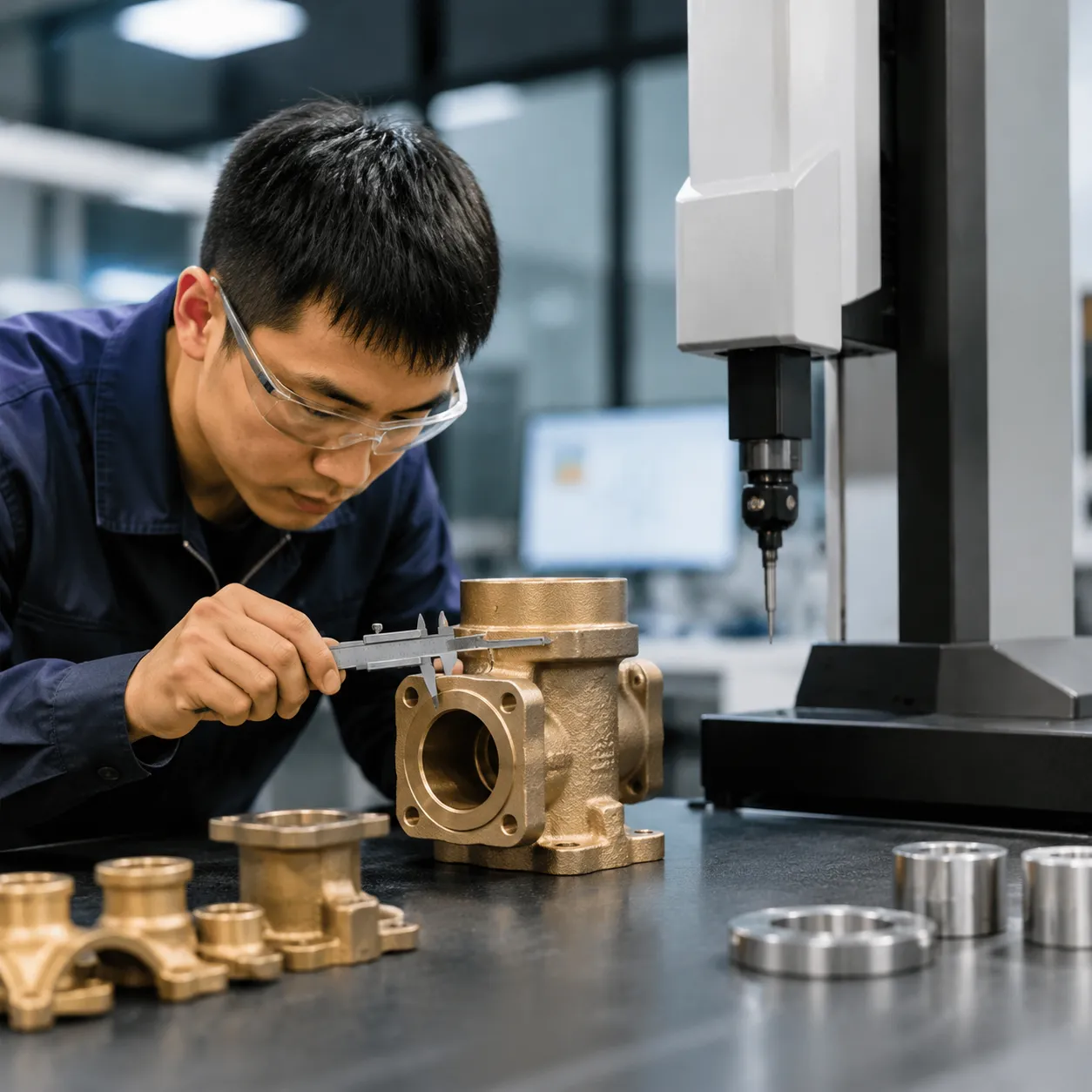
We enforce a comprehensive quality assurance protocol across every stage of production to guarantee that every bronze investment casting part meets strict performance and structural specifications.
Non-Destructive Testing (NDT) Methods
We utilize non-destructive testing to verify structural soundness without compromising the finished component:
- Dye Penetrant Testing (PT): Identifies surface micro-cracks, pinholes, and fine porosity invisible to the naked eye.
- Radiographic (X-Ray) Inspection: Checks internal structures for sub-surface shrinkage, gas voids, or inclusions inside critical wall sections.
- Ultrasonic Testing (UT): Evaluates internal density and measures wall thickness uniformity across intricate cast features.
Chemical Composition and Spectrometric Analysis
Verifying exact alloy chemistry is vital for achieving target corrosion resistance and mechanical strength. In our state-of-the-art testing facilities, we analyze every heat before pouring:
- Optical Emission Spectrometry (OES): Delivers rapid, highly accurate elemental breakdowns to verify alloy purity (such as aluminum bronze or silicon bronze blends).
- Material Traceability: Provides full chemical certification reports matching international material standards for every order batch.
Coordinate Measuring Machine (CMM) Inspection
Achieving tight tolerances on complex geometries requires rigorous dimensional verification:
- 3D CAD-to-Part Inspection: Measures critical features directly against original 3D CAD models to confirm zero variance.
- Geometrical Tolerancing: Verifies concentricity, hole positions, flatness, and perpendicularity to ensure seamless fit during final assembly.
How to Choose a Bronze Investment Casting Supplier
Evaluating Manufacturing Capabilities and Certifications
Selecting the right partner for your bronze investment casting part requires evaluating technical capabilities, equipment quality, and international quality standards. We are a provider of investment casting and precision CNC machining services, leveraging a proven investment casting process alongside advanced CNC machining to meet exacting industrial specifications.
- Quality Management: Verify ISO 9001:2015, AS9100, or relevant marine classifications.
- Testing Capabilities: Ensure access to on-site chemical spectrometry, CMM inspection, and NDT methods.
- Alloy Versatility: Look for specialized pouring experience across aluminum bronze, silicon bronze, manganese bronze, and tin bronze alloys.
Prototype Development vs. High-Volume Production
Your foundry partner must flexibly support every stage of product development - from initial design validation through full-scale manufacturing.
| Production Stage | Primary Objective | Manufacturing Advantage |
|---|---|---|
| Prototype Development | Design validation & fit testing | 3D-printed wax patterns, low initial tooling costs, fast delivery |
| High-Volume Production | Cost-effective mass manufacturing | Multi-cavity tooling, automated shell building, tight batch consistency |
How to Request a Quote for Custom Bronze Castings
Submitting a complete Request for Quote (RFQ) package accelerates engineering reviews and ensures precise cost estimates for your custom bronze castings.
- 2D & 3D Engineering Drawings: Provide STEP, IGES, or PDF files specifying tight tolerances and critical dimensions.
- Material & Alloy Specs: Identify the exact bronze alloy grade and any necessary thermal or surface treatments.
- Production Volumes: State estimated annual usage (EAU) and initial batch order requirements.
- Secondary Operations: Detail required CNC machining, surface finishing, pressure testing, or specialized NDT protocols.
Contact us to request a quote for a custom bronze investment casting part.