Investment Casting & CNC Machining FAQ
Get technical answers on valve body fittings defect prevention, alloy selection (304, 316, Duplex), process trade-offs, and RFQ requirements—backed by VastCasting's integrated foundry and CNC expertise to de-risk your procurement.
Procurement Confidence Matrix
Direct technical assurance for risk-free OEM sourcing.
Valve Body Casting & Defect Prevention
Technical guidance on preventing casting porosity, ensuring wall uniformity, and eliminating leak risks in severe-service valve manufacturing.
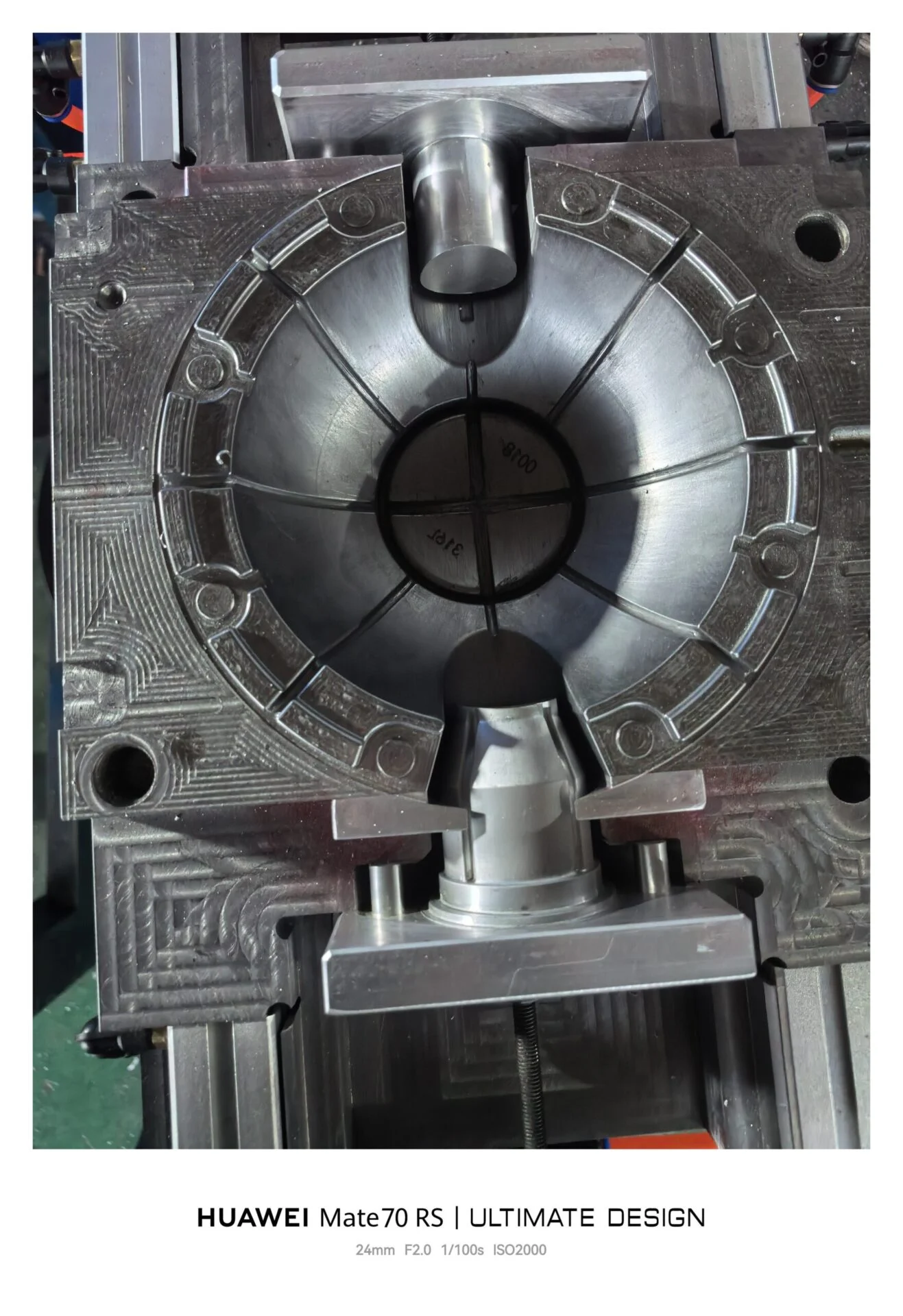
Integrated Casting & Machining
VastCasting combines MAGMA mold-flow simulation, silica-sol investment casting, and in-house CNC machining to deliver zero-defect, pressure-tight valve bodies.
Have Custom Technical Requirements?
Our engineering team evaluates valve geometries, alloy grades, and NDT acceptance criteria to optimize manufacturability before production.
What common casting defects occur in stainless steel valve bodies, and how are they eliminated?
How do you ensure uniform wall thickness and defect-free sealing surfaces?
What non-destructive testing (NDT) inspections are available for valve castings?
Which stainless steel and corrosion-resistant alloys can VastCasting supply?
Why choose silica-sol investment casting over water-glass casting for valve components?
Are complete material test certificates and heat traceability provided with shipments?
Process Comparison & Material Selection FAQ
Evaluate cost and performance trade-offs between solid CNC milling and investment casting, compare silica-sol versus water-glass processes, and select the optimal stainless steel alloy with technical guidance from VastCasting.
Process Selection: CNC Milling vs. Casting
When should I choose full CNC milling over investment casting?
How do unit costs and tooling investments compare between CNC machining and investment casting?
Investment Casting: Silica-Sol vs. Water-Glass
What are the key performance differences between silica-sol and water-glass casting?
Why is silica-sol recommended for stainless steel pump housings and valve bodies?
Stainless Steel Alloys: 304 vs. 316 vs. Duplex
How do I choose between 304, 316, and Duplex stainless steel grades?
Does VastCasting verify chemical composition and mechanical properties per lot?
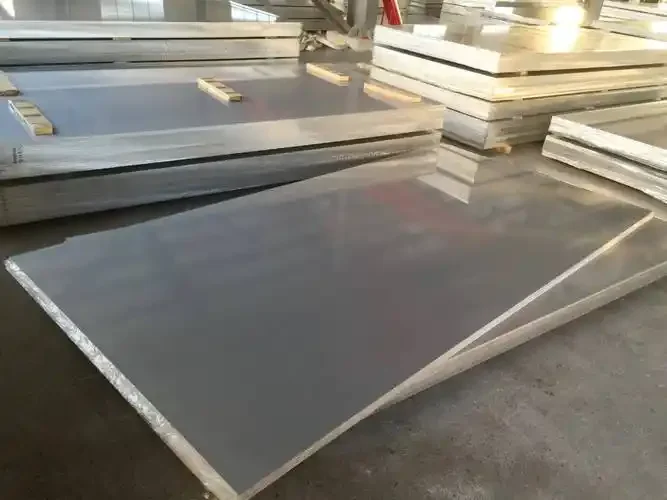
Quick Selection Summary
Review core process tolerances and alloy specifications before requesting a custom foundry quote.
Need tailored engineering guidance?
VastCasting application engineers analyze your 3D CAD models (STEP/IGES) to recommend the most cost-effective process and material combination for your volume and performance requirements.
Turbine Blades & Automotive Parts FAQ
Learn how VastCasting delivers high-temperature superalloy investment castings and precision aluminum automotive parts. We integrate mold flow simulation, 5-axis CNC machining, and rigorous NDT testing for mission-critical applications.
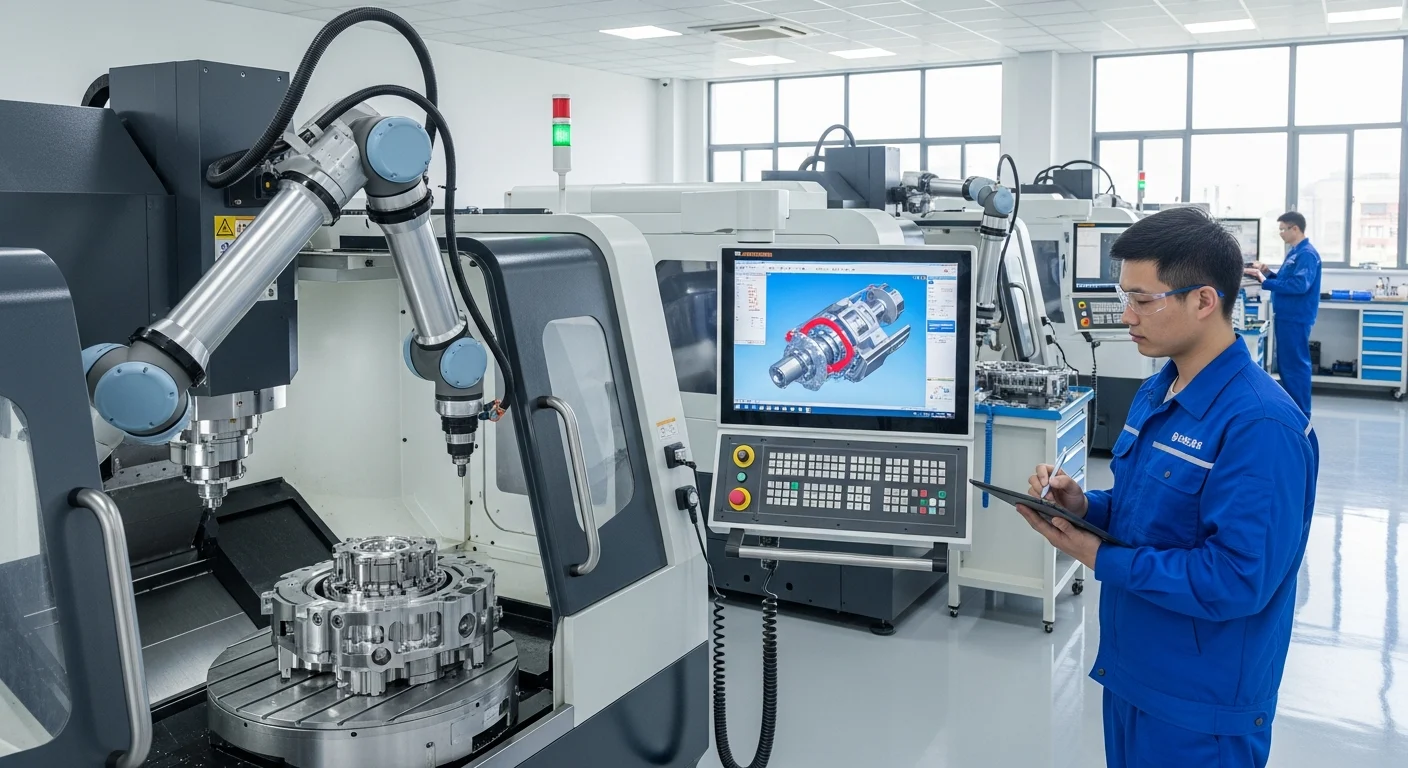
Need Custom Technical Engineering?
Our metallurgical engineers assist with alloy selection, fluid simulations, custom tooling design, and 5-axis machining strategy to maximize component strength and eliminate casting defects.
Can VastCasting cast and machine superalloy turbine components?
What tolerances and internal cooling channels can you achieve for turbine blades?
Which aluminum and steel alloys do you process for automotive aftermarket parts?
How do you guarantee turnaround times and tolerances for automotive prototypes?
What quality controls verify defect-free hot-end and critical automotive parts?
What are the advantages of single-source casting and CNC machining from VastCasting?
RFQ Checklist & Procurement FAQ
Standardize your inquiry specifications to accelerate technical evaluation. Providing comprehensive casting and machining details upfront eliminates delays and secures accurate, competitive pricing.
Essential RFQ Checklist
Provide these required project parameters in your RFQ to receive a complete technical evaluation and quote within 24 to 48 hours.
- 2D engineering drawings with critical tolerances and datum surfaces (PDF/DWG)
- 3D CAD model files (STEP, IGES, or X_T) for mold flow simulation
- Specific alloy grade and international material standard (ASTM, ISO, DIN)
- Order volume breakdown (prototype batch, initial run, and Estimated Annual Usage)
- Delivery state (raw cast blanks vs. in-house precision CNC finished components)
- Quality inspection and NDT criteria (X-Ray, UT, PT, pressure leak testing)
What technical documentation is required for an RFQ submission?
Submit 2D engineering drawings detailing critical dimensions, surface finish, and tolerances, along with 3D CAD files (STEP or IGES format). Clearly indicate material grades (e.g., 304, 316L, 17-4PH), targeted order quantities, required non-destructive testing (NDT), and whether supply should be raw cast blanks or fully CNC machined parts.
Which metal casting standards and material grades does VastCasting support?
We manufacture compliant precision castings to ASTM, ISO, DIN, EN, and JIS standards. Our primary metallurgy covers stainless steel (304, 316, 316L, Duplex), precipitation hardening alloys (17-4PH), nickel-based superalloys (Inconel, Hastelloy), carbon and alloy steels, ductile iron, and structural aluminum alloys.
How do tooling design and cavity options impact unit pricing?
Multi-cavity wax tooling requires higher initial tooling investment but drastically reduces piece-part costs for medium-to-high volume orders. VastCasting's engineering team analyzes your Estimated Annual Usage (EAU) to recommend the most economical tooling layout and casting process balance.
What quality assurance documentation accompanies completed shipments?
All shipments include EN 10204 3.1 chemical analysis and mechanical testing certificates, CMM full-dimensional inspection reports, and heat treatment charts. Learn more about our complete quality assurance protocols. Upon request, we also provide non-destructive testing (NDT) documentation, including X-ray porosity reports, liquid penetrant (PT), magnetic particle (MT), and hydrostatic pressure leak test certificates.
Why combine investment casting and CNC machining under one manufacturer?
Unified manufacturing eliminates quality disputes and dimensional stack-up errors between separate foundries and machine shops. VastCasting controls the entire workflow under one roof—from pattern making and casting blank production to precision 5-axis CNC machining, heat treatment, and CMM verification—delivering turnkey accountability and lower total procurement risk.
What are the standard lead times for tooling, sampling, and production?
Tooling construction and initial sample inspection reports (ISIR/PPAP) typically require 3 to 5 weeks. Mass production runs average 4 to 6 weeks following sample sign-off. Expedited rapid prototyping options using 3D-printed wax patterns are available for urgent design validation.
Didn't Find Your Technical Answer? Speak Directly with Our Engineers
Send us your 2D/3D CAD drawings or project requirements. The VastCasting engineering team will provide a process feasibility review, DFM analysis, and an itemized turnkey quote within 24 hours.
24-Hour Quote
Guaranteed rapid engineering response.
In-House DFM Review
Casting & CNC machining analysis.
Strict NDA Protocol
Your custom CAD data is 100% secure.
VastCasting Engineering Support
Expert guidance on tolerances, alloy selection, and single-source turnkey manufacturing.