
Duplex Stainless Steel Casting & Precision CNC Services
Custom 2205 and 2507 duplex stainless steel casting blanks and finished CNC components engineered for high-chloride, seawater corrosion, and high-pressure fluid environments (ASTM A995 4A/5A). Learn more about us or contact our team to discuss your custom engineering requirements.
PREN > 34
High Corrosion Resistance
50/50
Ferrite-Austenite Ratio
100%
In-House Casting & CNC
VastCasting Turnkey Duplex Solutions
2205 Investment Casting Blanks
High-strength castings delivering twice the yield strength of 316L with superior SCC resistance.
Solution Annealing & Phase Control
Strict thermal processing prevents brittle sigma phase and locks in a balanced 45-55% ferrite structure.
In-House Precision CNC Finishing
Eliminate single-sourcing risks with turnkey casting and finish machining under one roof.
Need Custom Duplex Components?
Consult VastCasting Engineers
High Strength Duplex Steel: Key Performance Metrics & Quantified Data
VastCasting manufactures high strength duplex steel investment castings engineered for severe chloride exposure and high-pressure fluid control. Review key mechanical thresholds and pitting resistance equivalent numbers (PREN > 34) validated by rigorous in-house metallurgical testing. Our portfolio also highlights specialized alloys engineered for extreme operational environments.
≥ 450 MPa
High Strength Proof Stress
Delivers more than twice the yield strength of 316L, allowing thinner valve wall designs and reduced overall component weight.
PREN > 34 – 43
Guaranteed PREN Rating
High Cr, Mo, and N composition prevents pitting and crevice corrosion in severe chloride and seawater applications.
45% – 55%
Ferrite-Austenite Balance
Strictly controlled 50/50 dual-phase structure provides superior immunity to chloride stress corrosion cracking.
100% NDT
Pressure & Integrity Verified
100% dye penetrant (PT), radiographic (RT), and hydrostatic testing ensure zero porosity in high-pressure fluid castings.
Duplex vs. Standard Alloy Mechanical & Corrosion Comparison
Quantified mechanical properties and PREN calculations across common investment casting grades.
| Material Grade | Yield Strength (0.2% MPa) | Tensile Strength (MPa) | PREN Rating | Elongation (%) | Target Applications |
|---|---|---|---|---|---|
| Austenitic SS 316L (CF3M) | 205 MPa min | 485 MPa min | ~ 25.0 | 35% | Standard chemical valves, low-chloride marine fittings |
| Duplex Stainless 2205 (A995 4A / CD3MN) | 450 MPa min | 655 MPa min | ≥ 34.0 | 25% | Desalination pumps, high-pressure valves, offshore oil |
| Super Duplex 2507 (A995 5A / CE3MN) | 550 MPa min | 750 MPa min | ≥ 42.0 | 15% | Deepsea oilfields, aggressive acid systems, scrubbers |
| Nickel Alloy C276 (CW12MW) | 330 MPa min | 690 MPa min | ≥ 68.0 | 40% | Flue gas desulfurization, extreme chemical processing |
PREN > 34 Verification & Strict Phase Balance Assurance
The Pitting Resistance Equivalent Number (PREN) measures resistance to localized corrosion in chloride-heavy marine and industrial processing environments. VastCasting tightly controls chemical composition during induction melting to ensure every heat meets or exceeds target PREN ratings.
PREN Formula: PREN = %Cr + 3.3(%Mo + 0.5%W) + 16(%N) | Guaranteed PREN > 34 for 2205 Duplex
Spectrographic Batch Control
Real-time optical emission spectrometry before pouring ensures exact alloy chemistry and PREN compliance.
Ferrite & MTR Certification
Ferrite scope testing and EN 10204 3.1 material test reports supplied with every production batch.

Need Quantitative Material Selection Support?
Consult VastCasting metallurgical engineers to evaluate 2205/2507 duplex casting specs, review PREN reports, or request detailed material datasheets.
Material Selection Logic: Duplex vs 316L Stainless Steel
When engineering critical fluid handling components, high-pressure pump housings, and valve bodies for aggressive marine or chloride-rich environments, choosing the appropriate alloy directly dictates component longevity, pressure limits, and overall lifecycle costs. While austenitic 316L stainless steel remains a standard material choice, dual-phase alloys such as 2205 (ASTM A995 Grade 4A) and Super Duplex 2507 (ASTM A995 Grade 5A) offer performance improvements in yield strength, pitting resistance, and stress corrosion prevention. VastCasting provides comprehensive metallurgical consultation to assist OEMs in evaluating duplex vs 316L for precision investment casting applications.
High strength duplex steel delivers more than double the yield strength of 316L, allowing thinner component wall designs.
Elevated chromium, molybdenum, and nitrogen contents provide localized corrosion protection in seawater and brines.
Ferrite-austenite dual-phase microstructures halt chloride stress corrosion cracking at elevated process temperatures.
Engineered wall-thickness reductions lower total casting mass, reducing raw material costs and freight expenses.
Chloride Stress Corrosion Cracking Immunity
A common failure mode for standard austenitic stainless steels like 316L in processing environments is chloride stress corrosion cracking (SCC). When exposed to tensile stress in media containing chloride ions at temperatures above 60°C (140°F), austenitic steels can experience rapid micro-fracturing, leading to premature field failures in valve bodies and pump components.
By contrast, duplex stainless steel features a balanced microstructural matrix consisting of approximately 50% ferrite and 50% austenite. The continuous ferrite phase acts as a structural barrier that arrests crack propagation and shields the component from stress corrosion mechanisms. Utilizing 2205 investment casting parts in halide-bearing streams helps prevent unexpected cracking and minimizes maintenance downtime.
- Austenitic 316L: Susceptible to SCC in warm seawater, marine spray, and process chemicals operating above 60°C.
- Duplex 2205 (ASTM A995 Grade 4A): Resists chloride SCC up to 150°C in high-salinity industrial process applications.
- Super Duplex 2507 (ASTM A995 Grade 5A): Designed for severe subsea service, high-pressure desalination, and concentrated acidic environments.
Yield Strength and Wall-Thickness Reduction Advantage
Mechanical strength is a key parameter when comparing duplex vs 316L for pressure-retaining equipment. Standard 316L investment castings yield approximately 220 MPa of proof stress ($R_{p0.2}$). High strength duplex steel alloys, such as UNS J92205 (2205 grade), offer a minimum yield strength of 450 MPa—more than double the mechanical capacity of 316L.
This higher yield point allows pressure vessel and valve engineers to reduce nominal wall thickness by 30% to 40% while maintaining required pressure ratings. Redesigning a heavy duplex valve body casting or pump impeller reduces overall casting weight, lowers raw material consumption, and streamlines installation. To see a real-world application of high-strength alloy performance, explore our duplex pressure reducing valve project. VastCasting employs solidification and flow simulation software to help clients re-engineer existing 316L components into lighter, stronger duplex castings.
Pitting Resistance Equivalent Number (PREN) Comparison
Localized pitting and crevice attack pose continuous operational risks to fluid control equipment in reverse osmosis plants and offshore oil rigs. The Pitting Resistance Equivalent Number quantifies an alloy's resistance to localized breakdown based on its elemental chemistry:
Standard 316L reaches a nominal PREN of approximately 25, leaving it vulnerable to crevice corrosion under stagnant seawater conditions. Duplex 2205 guarantees a PREN > 34, while Super Duplex 2507 achieves values between 42 and 45. Higher levels of chromium (22–25%), molybdenum (3–4%), and intentionally alloyed nitrogen foster quick passive film recovery during localized chemical exposure.
Comprehensive Alloy Performance Comparison
Quantitative comparison of mechanical properties, microstructural characteristics, and corrosion ratings across common investment casting grades.
| Property Metric | Austenitic 316L | Duplex 2205 (ASTM A995 4A) | Super Duplex 2507 (ASTM A995 5A) |
|---|---|---|---|
| Microstructure Phase Ratio | 100% Austenite | ~50% Ferrite / 50% Austenite | ~50% Ferrite / 50% Austenite |
| Yield Strength ($R_{p0.2}$, MPa) | ≥ 220 | ≥ 450 | ≥ 550 |
| Tensile Strength ($R_m$, MPa) | ≥ 485 | ≥ 655 | ≥ 760 |
| PREN Rating Range | ~ 25 | 34 - 38 | 42 - 45 |
| Chloride SCC Resistance | Moderate / Low (>60°C) | High (>150°C) | Exceptional (>200°C) |
| Relative Mass Savings | Baseline (100% Mass) | 25% - 35% Material Savings | 35% - 45% Material Savings |
Engineering Support and Material Conversion Assistance
Transitioning component designs from standard 316L to duplex stainless steel requires accounting for alloy shrink rates, gating configurations, solution annealing temperatures, and post-cast machining strategies. At VastCasting, our metallurgists and CNC tooling engineers assist OEMs in modifying component geometry to maximize the performance of 2205 investment casting parts.
Complete Material Test Reports (MTR) according to EN 10204 3.1 standards with chemical and mechanical verifications.
In-house solution annealing with water quenching, verified via magnetic ferrite testing for phase balance control.
In-house CNC machining tailored specifically to manage the work-hardening characteristics of duplex alloys.
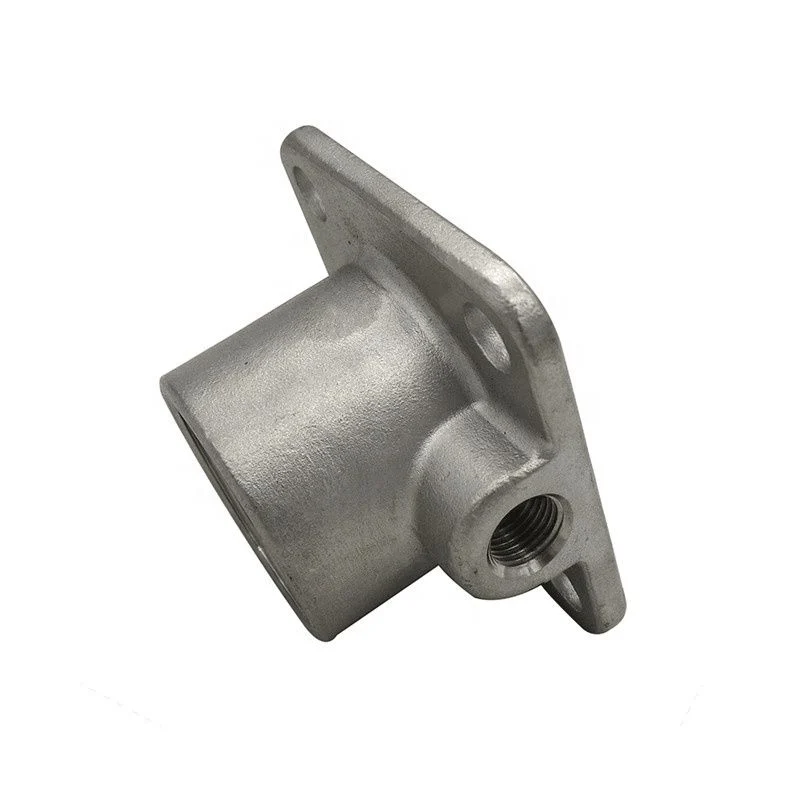
Duplex & Super Duplex Stainless Steel Casting Grades Standard Matrix
Selecting the correct duplex stainless steel alloy requires a precise balance between localized corrosion resistance, mechanical yield strength, and phase stability. At VastCasting, our precision investment foundry pours high-integrity duplex and super duplex castings in strict compliance with ASTM A995, ASTM A890, EN 10283, and ISO 11974 standards. By maintaining tight elemental tolerances during electric induction melting and applying strict thermal processing, we deliver guaranteed 50/50 dual-phase microstructures engineered for critical fluid control, offshore marine, and petrochemical equipment parts along with severe chemical processing components.
ASTM A995 Grade 4A (2205 Duplex)
The industry-standard duplex alloy for petrochemical, oil & gas, and fluid handling systems. Delivers twice the yield strength of conventional 316L stainless steel alongside superior resistance to chloride-induced stress corrosion cracking (SCC).
- UNS Designation: J92205 CD3MN
- Typical PREN: 34 to 36
- Min Yield Strength: 450 MPa (65 ksi)
ASTM A995 Grade 5A (2507 Super Duplex)
Engineered for high-salinity offshore environments, SWRO desalination, and severe chemical processing. Formulated with elevated chromium and molybdenum levels for exceptional pitting and crevice corrosion immunity.
- UNS Designation: J93404 CE3MN
- Typical PREN: 42 to 45
- Min Yield Strength: 550 MPa (80 ksi)
ASTM A995 Grade 6A (Super Duplex + Cu/W)
Formulated with tungsten and copper additions to maximize erosion-corrosion resistance in hot acidic media, high-pressure brine pumps, and marine flue-gas scrubbing installations.
- UNS Designation: J93380 CD3MWCuN
- Typical PREN: 43 to 46
- Min Yield Strength: 550 MPa (80 ksi)
ASTM A995 / A890 Chemical Composition Limits & Mechanical Thresholds
Maintaining exact chemistry during induction melting is critical to preventing embrittling intermetallic phases (such as Sigma phase) and guaranteeing target tensile properties. Below are the standard elemental composition limits and minimum mechanical property thresholds for investment-cast duplex stainless steels poured at VastCasting.
| ASTM Grade | UNS Code | Chromium (%) | Nickel (%) | Molybdenum (%) | Nitrogen (%) | PREN Rating | Yield Strength (MPa) | Tensile Strength (MPa) |
|---|---|---|---|---|---|---|---|---|
| 1B CD4MCuN | J93370 | 24.5 to 26.5 | 4.7 to 6.0 | 1.7 to 2.3 | 0.10 to 0.25 | 31 or greater | 485 or greater | 690 or greater |
| 3A CD6MN | J93371 | 24.0 to 27.0 | 4.5 to 6.5 | 1.7 to 2.5 | 0.15 to 0.25 | 33 or greater | 450 or greater | 655 or greater |
| 4A CD3MN 2205 | J92205 | 21.0 to 23.5 | 4.5 to 6.5 | 2.5 to 3.5 | 0.10 to 0.30 | 34 or greater | 450 or greater | 620 or greater |
| 5A CE3MN 2507 | J93404 | 24.0 to 26.0 | 6.0 to 8.0 | 4.0 to 5.0 | 0.10 to 0.30 | 42 or greater | 550 or greater | 690 or greater |
| 6A CD3MWCuN | J93380 | 24.0 to 26.0 | 6.5 to 8.5 | 3.0 to 4.0 | 0.20 to 0.30 | 43 or greater | 550 or greater | 690 or greater |
International Standards Cross-Reference for Duplex Alloys
Cross-referencing international casting standards can complicate cross-border OEM procurement. Duplex stainless steel grades carry varied designators across ASTM, EN, DIN, ISO, and GB specifications despite having nearly identical microstructural targets.
VastCasting produces custom investment castings for global industrial clients, providing certified compliance across all major international codes. Whether your technical engineering drawings specify ASTM A995, EN 10283, or NORSOK M630 guidelines, our foundry delivers fully traceable components verified by comprehensive material test certificates.
- ASTM A995 4A / A890 CD3MN Cross-Reference EN 10283 1.4470 (GX2CrNiMoN22-5-3), UNS J92205, Werkstoff 1.4462, ISO 11974 GX2CrNiMoN22-5-3.
- ASTM A995 5A / A890 CE3MN Cross-Reference EN 10283 1.4410 (GX2CrNiMoN25-7-4), UNS J93404, Werkstoff 1.4469, ISO 11974 GX2CrNiMoN25-7-4.
- ASTM A995 6A / A890 CD3MWCuN Cross-Reference EN 10283 1.4501 (GX2CrNiMoCuWN25-7-4), UNS J93380, NORSOK M630 MDS D55.
Phase Balance Control & Metallurgical Integrity
Achieving optimal impact toughness and stress corrosion resistance requires maintaining a precise 45%–55% ferrite-austenite phase balance in the final casting. Uncontrolled cooling during casting can lead to excess ferrite or intermetallic sigma phase ($sigma$-phase) formation, drastically reducing impact strength and localized corrosion resistance.
Precision Solution Annealing & Ferrite Phase Balance Control
Achieving maximum mechanical strength and corrosion resistance in duplex stainless steel casting demands meticulous solution annealing heat treatment and microstructural phase balance control. At VastCasting, our dedicated automated furnace systems and high-speed water quenching lock in an exact 50/50 ferrite-austenite ratio, completely eliminating brittle intermetallic sigma phases and securing peak resistance against chloride stress corrosion cracking.
Solution Annealing Thermal Cycle
Strict thermal soaking at 1040°C to 1120°C followed by immediate water quenching in under 30 seconds ensures total dissolution of chromium carbides and intermetallic precipitates.
Ferrite Content Control
Maintaining target ferrite levels between 45% and 55% using magnetic Feritscope testing and quantitative metallographic point counting per ASTM E562 standards.
Sigma Phase Prevention
Eliminating localized pitting and embrittlement by preventing secondary phase precipitation (sigma, chi, and chromium nitrides) through precise cooling management.
100% NDT Defect Verification
Comprehensive Non-Destructive Testing, including Penetrant Testing (PT), Radiographic Testing (RT), and Ultrasonic Testing (UT), guarantees dense, pressure-tight valve bodies and pump impellers.
Thermal Processing Mechanics for High-Strength Duplex Alloys
The optimal balance between ferrite and austenite phase structures gives high strength duplex steel its double yield strength and superior resistance to pitting and chloride stress corrosion cracking. Unprocessed as-cast duplex components contain non-uniform phase ratios and harmful sigma phase precipitations that severely compromise impact toughness and corrosion longevity.
To restore pristine metallurgical properties, VastCasting executes fully controlled solution annealing duplex heat treatments. By heating 2205 investment casting parts and 2507 super duplex components to critical temperatures above 1040°C, all secondary intermetallic phases redissolve into solid solution. Rapid automated water quenching freezes this ideal dual-phase microstructure down to room temperature. Discover how these thermal processing standards serve critical applications in fluid control valves operating under harsh pressure environments.
Metallurgical Compliance & Testing Standards
- ASTM A995 Grade 4A 2205 & Grade 5A 2507: Fully compliant heat treatment cycles ensuring high PREN ratings (>34 for 2205; >42 for 2507) and certified mechanical integrity.
- ASTM A923 Intermetallic Phase Screening: Rigorous Practice A, B, and C corrosion testing verifying zero detrimental intermetallic phase precipitation.
- ASTM E562 Quantitative Phase Analysis: Certified point-counting metallography guaranteeing precise ferrite content control within the strict 45%–55% window.
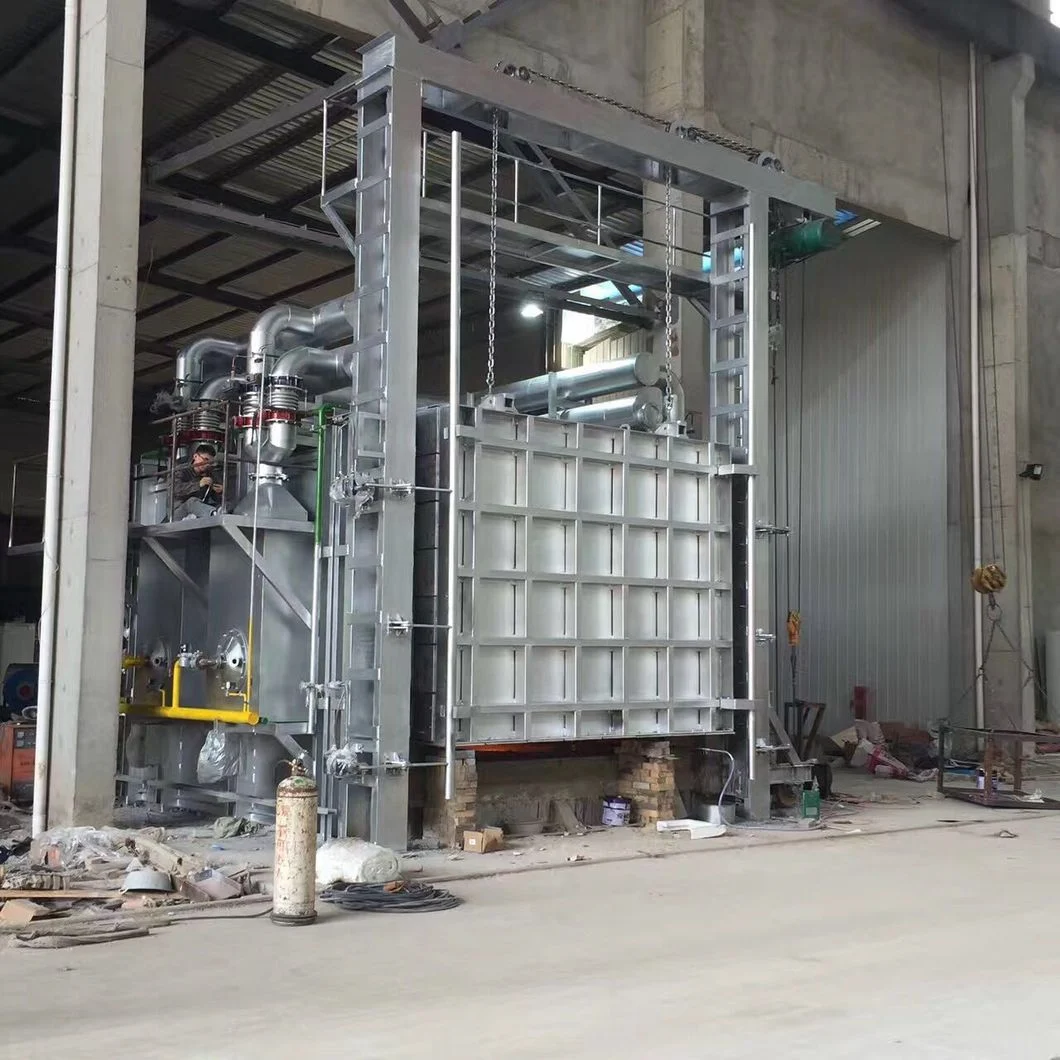
In-House Metallurgical & Inspection Lab
VastCasting houses a dedicated metallurgical testing facility equipped with digital image analysis microscopes, magnetic Feritscopes, and automated hardness testers to certify every batch of duplex valve body castings and pump components.
Heat Treatment & Metallurgical Quality Benchmarks
Standardized inspection parameters and quality protocols enforced by VastCasting for every duplex casting production run.
| Inspection Parameter | Governing Standard | Required Technical Benchmark | VastCasting Quality Guarantee |
|---|---|---|---|
| Solution Annealing Thermal Cycle | ASTM A995 / ASTM A890 | 1040°C – 1120°C Soak, Rapid Water Quench (<30s) | Automated furnace logging with real-time time-temperature charts per heat lot |
| Ferrite Content Determination | ASTM E562 / ISO 17781 | 45% – 55% Ferrite / Austenite Phase Ratio | Dual testing via digital Feritscope and certified optical metallographic analysis |
| Intermetallic Phase Corrosion Testing | ASTM A923 Method C | No detectable sigma phase; low corrosion rate threshold | Ferric chloride corrosion test data included directly in EN 10204 3.1 MTRs |
| Volumetric & Surface Soundness | ASTM E446 / ASTM E186 / ASTM E165 | Level II or better radiography & zero linear surface defects | 100% NDT inspection options (RT, UT, PT) ensuring pressure-tight casting integrity |
Guaranteed Metallurgical Performance for Mission-Critical Fluid Systems
Every duplex and super duplex investment casting produced by VastCasting includes complete chemical heat-code traceability, certified microstructural analysis, and official MTR 3.1 test documentation.
Typical Duplex Stainless Steel Castings & Applications
VastCasting manufactures precision-cast 2205 and 2507 duplex components engineered to eliminate chloride stress corrosion cracking, pitting, and structural fatigue in high-pressure fluid control systems worldwide.
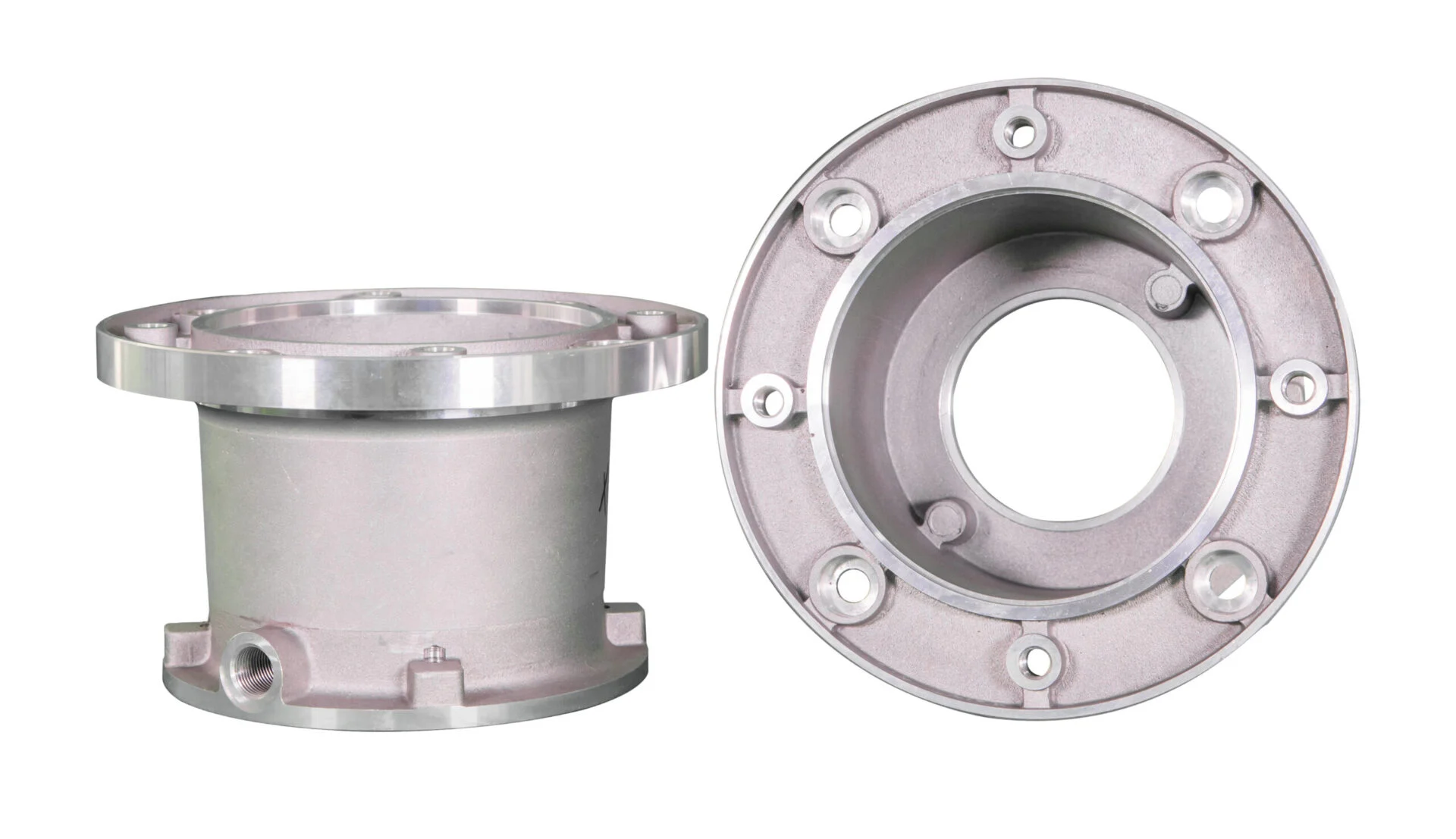 Fluid & Process Control
 Duplex Valve Bodies & Fittings
Precision duplex valve body castings engineered for pressure reducing valves (PRV), air release valves, and ball valve bodies operating in aggressive chloride media.
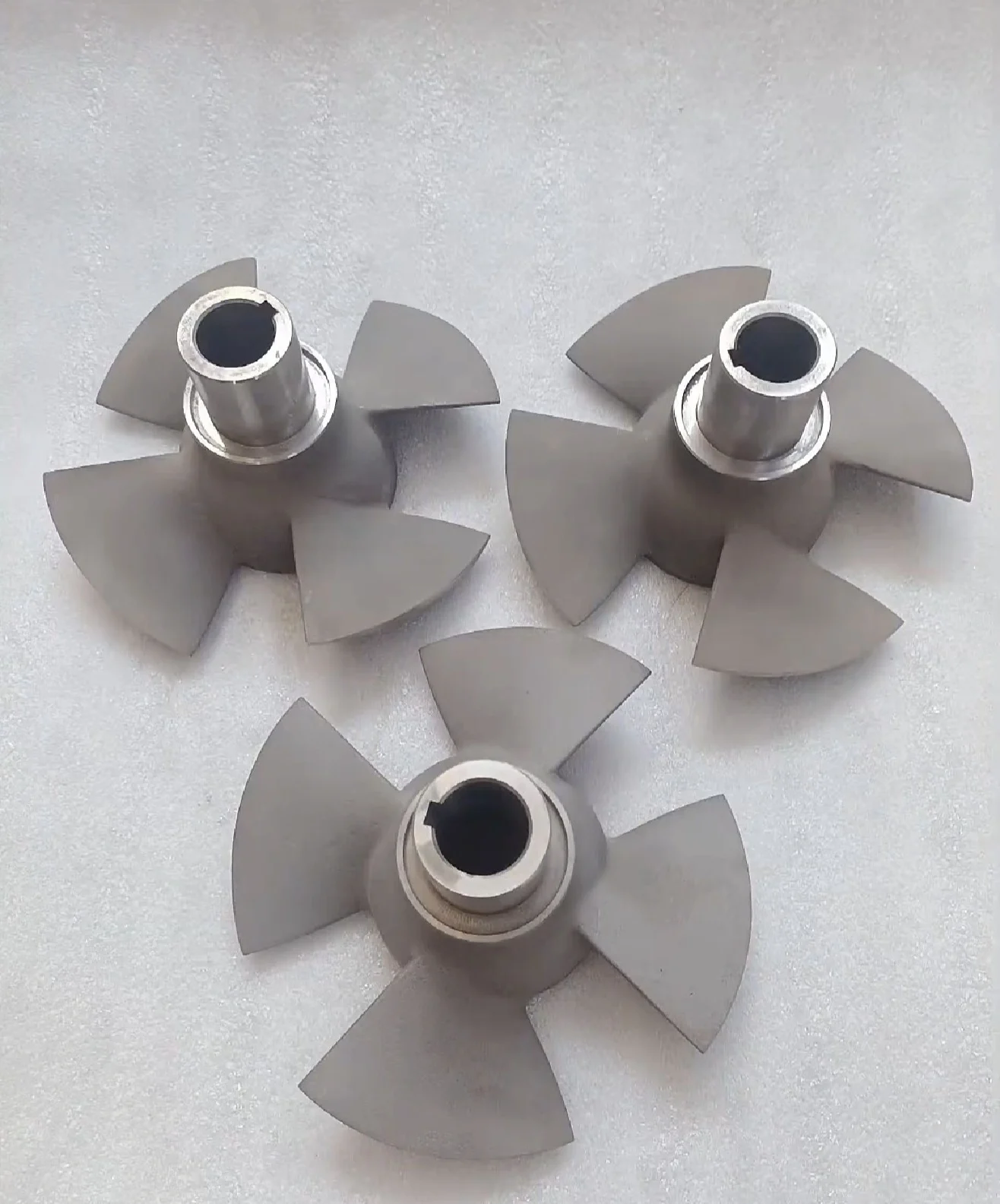 Petrochemical & Refining
 Petrochemical Pump Impellers
Dynamically balanced duplex pump impellers and wet-end casings providing optimal hydraulic efficiency and cavitation resistance in acidic chemical fluids.
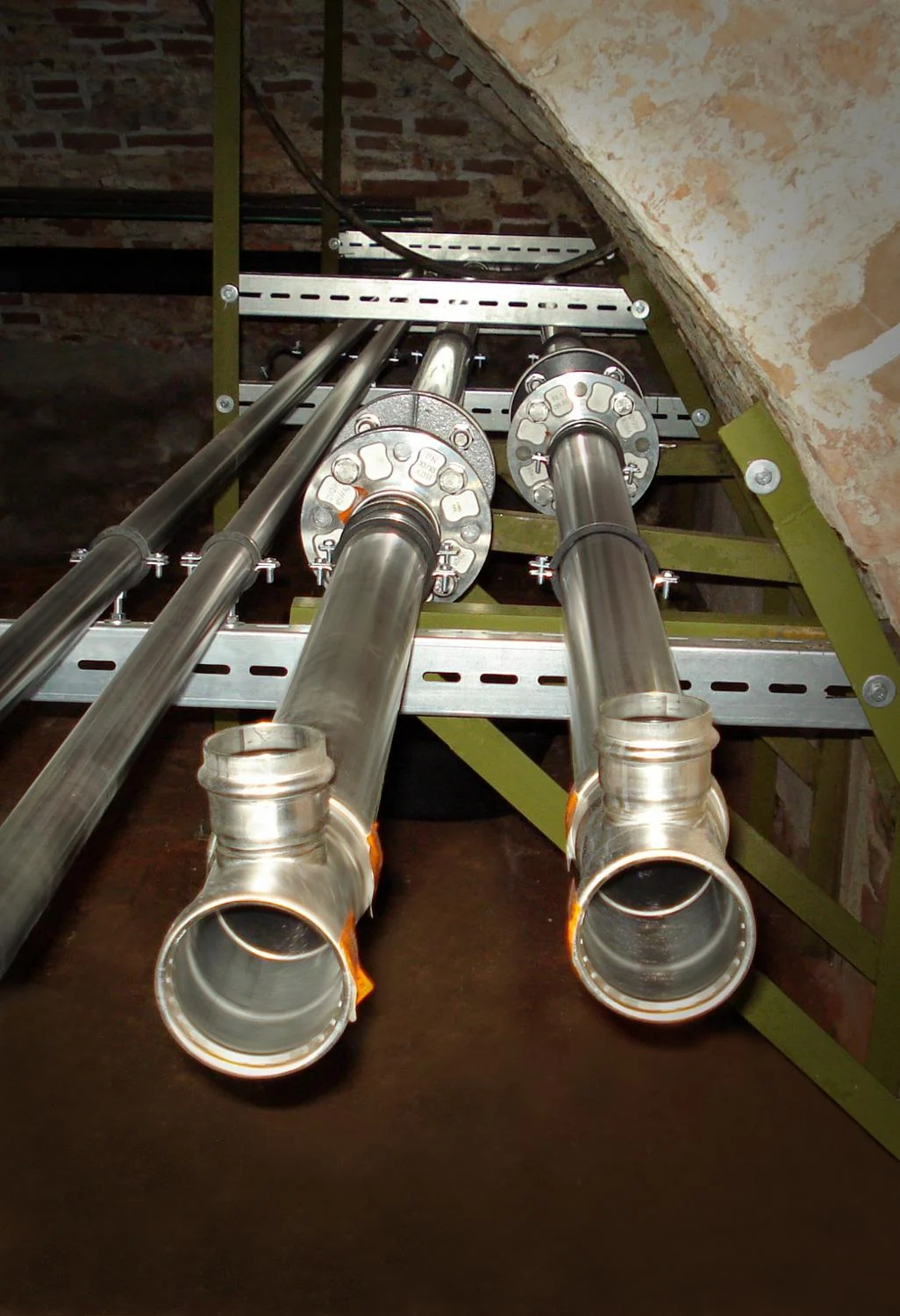 Seawater & Desalination
 Desalination Plant Components
Super duplex investment castings designed for reverse osmosis seawater desalination manifolds, high-pressure brine pumps, and filtration bodies.
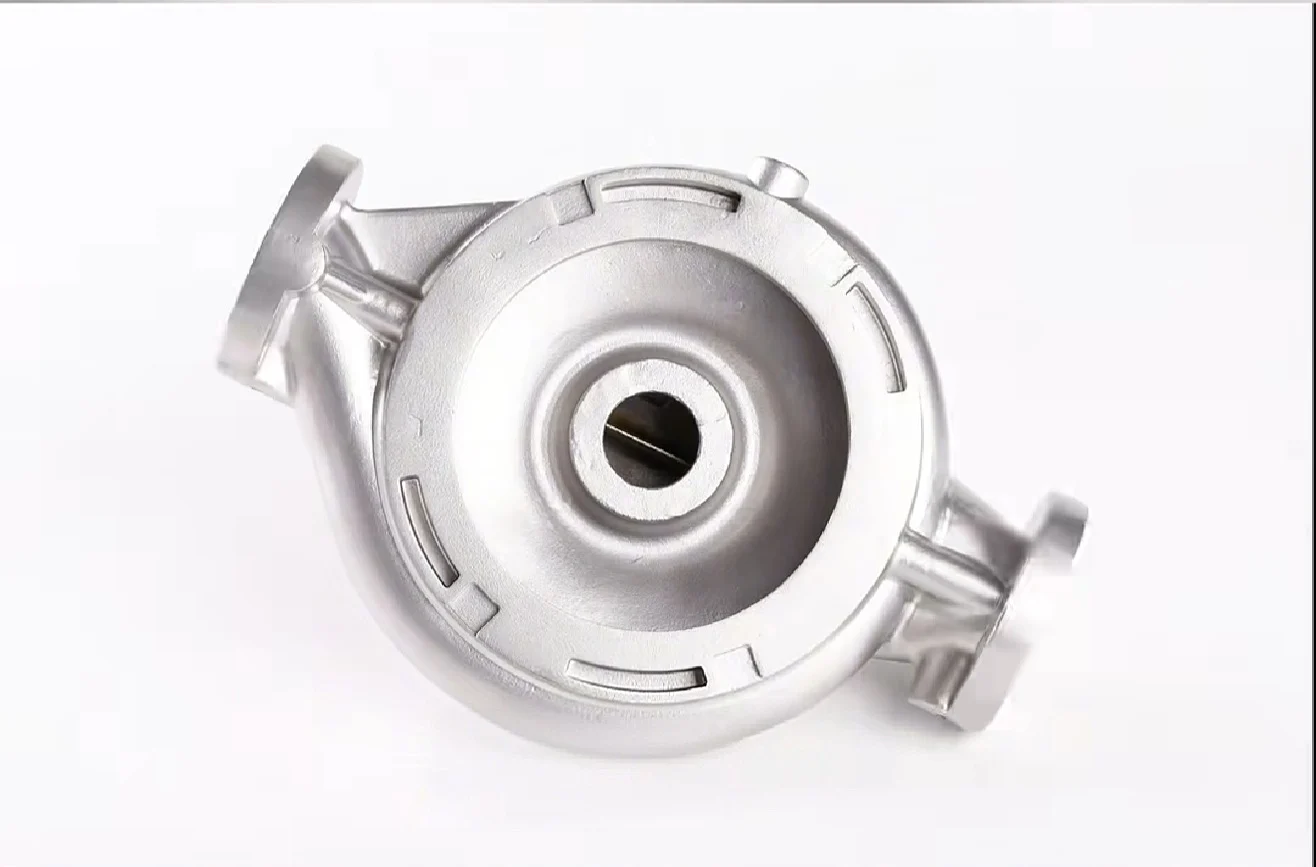 Offshore & Subsea
 Offshore & Subsea Housings
High-strength pressure-retaining duplex housings and flow control manifolds built for deepwater hydrostatic loads and sour gas service.
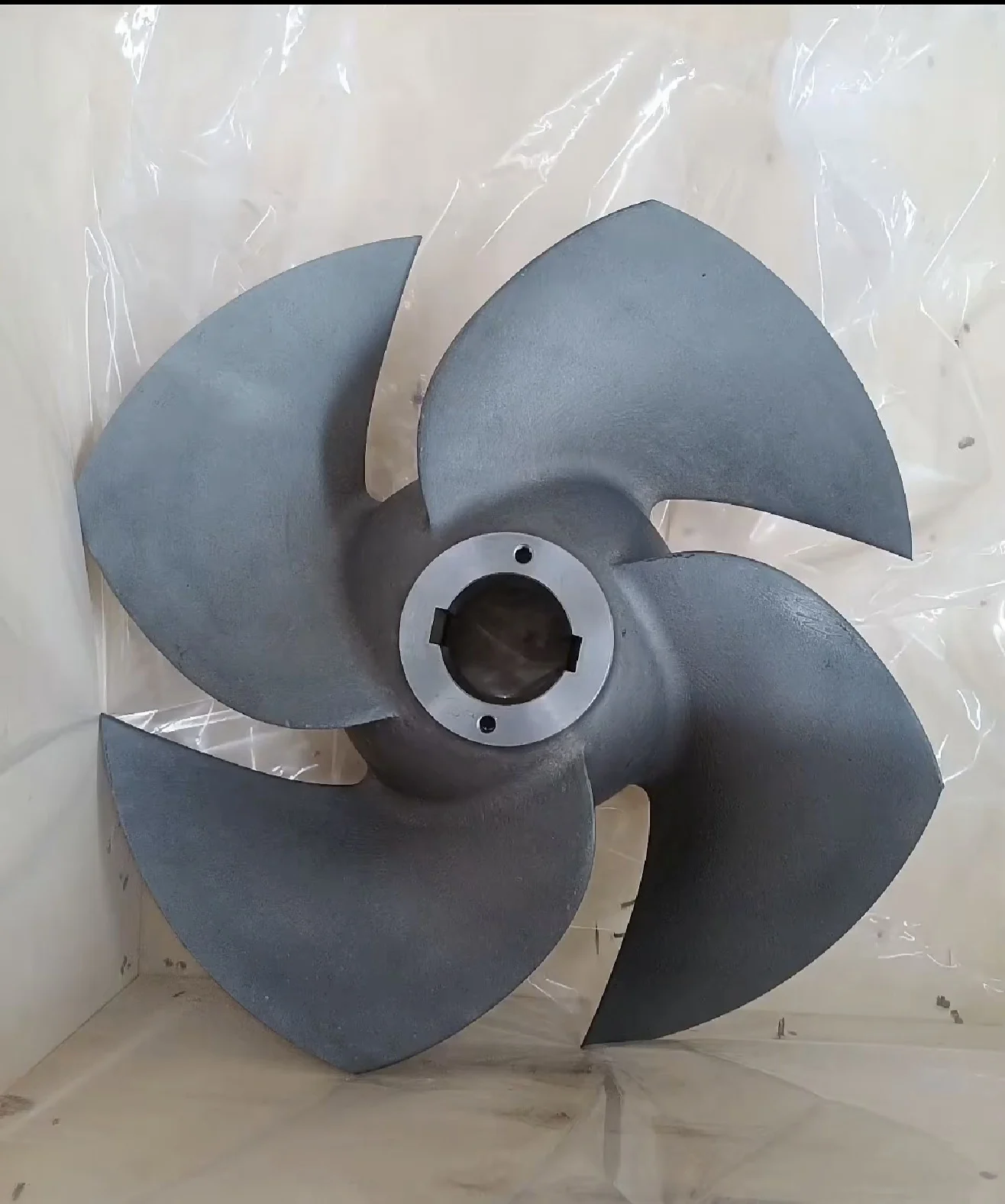 Chemical Processing
 Chemical Agitators & Reactor Parts
Precision investment cast duplex agitator blades, flange adapters, and reactor bodies delivering zero thermal distortion in hot organic acids.
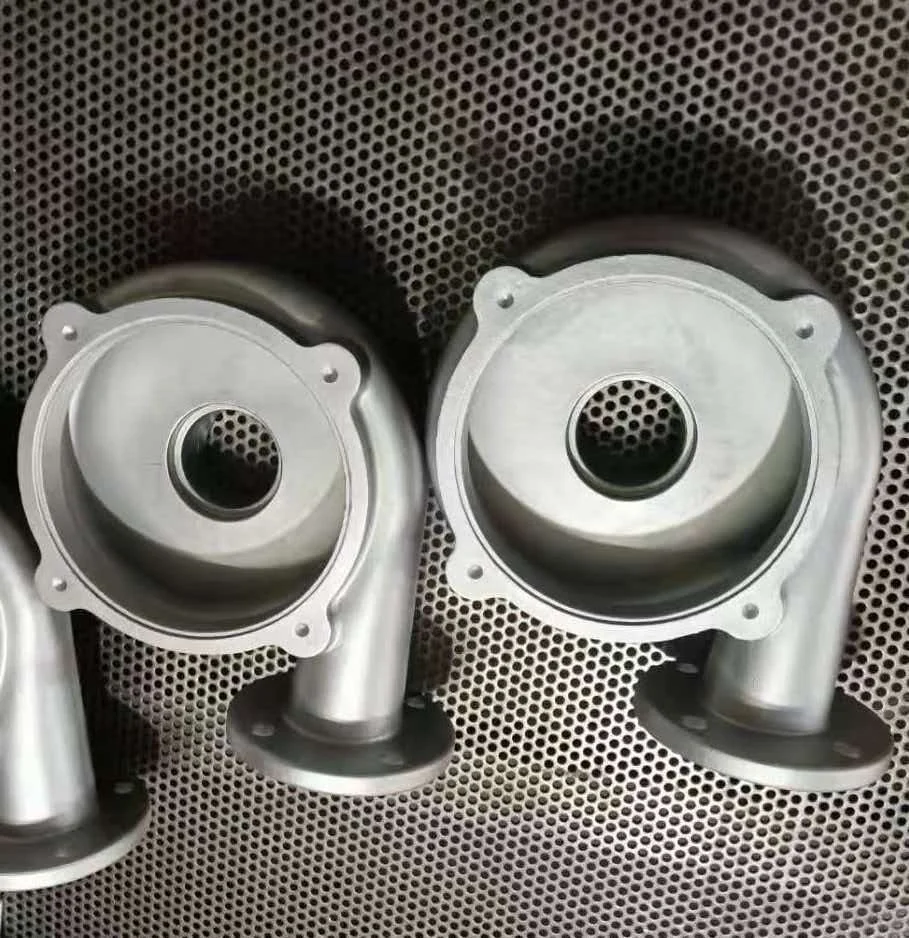 Mining & Slurry Control
 Slurry & Tailings Valve Components
Erosion-corrosion resistant duplex components engineered to withstand abrasive mineral tailing slurries and aggressive chemical leaching circuits.
Need Custom Duplex or Super Duplex Castings?
VastCasting delivers complete single-source manufacturing—from 2205/2507 investment casting blanks to tight-tolerance CNC machining with full MTR 3.1 traceability.
Single-Source Duplex Stainless Steel Precision Casting & CNC Machining
Managing separate foundry suppliers and machine shops adds severe risk when producing complex duplex stainless steel components. As a premier China investment foundry with an in-house precision machine shop, VastCasting delivers complete single-facility manufacturing. We integrate silica sol investment casting, strictly controlled solution annealing, and multi-axis duplex CNC machining under one roof. Our turnkey approach eliminates vendor finger-pointing, slashes lead times, and ensures total dimensional and metallurgical accountability for demanding 2205 and 2507 duplex parts.
Traditional Subcontracted Sourcing
- ▪ Split Quality Liability: Foundries blame machine shops for internal porosity, while machinists blame raw duplex castings for excessive tool wear and edge chipping.
- ▪ Severe Work Hardening Risks: Improper heat treatment at external foundries leaves 2205 castings with uncontrolled microstructures, causing tool chatter and rapid insert breakdown.
- ▪ Logistics Delays & Freight Costs: Transporting heavy raw castings between separate foundries and machining vendors inflates transit costs and adds weeks to project schedules.
- ▪ Inconsistent QC & Inspection: Non-aligned quality standards between vendors increase overall scrap rates during final pressure testing or assembly.
Impact: Increased project delays, split warranty liabilities, and unpredictable overall manufacturing costs.
VastCasting Integrated Turnkey Solution
- ▪ Single-Facility Accountability: VastCasting assumes 100% quality responsibility from initial molten metal pour through to final CNC machining and packaging.
- ▪ Metallurgical & Machining Synergy: In-house solution annealing creates a uniform 50/50 ferrite-austenite phase balance, optimizing duplex CNC machining performance.
- ▪ Faster Production Turnaround: Direct transfer from our solution annealing furnaces to multi-axis CNC cells drastically shortens lead times.
- ▪ Unified Quality Verification: Complete CMM dimensional reports, Ferritescope phase readings, and hydrostatic test certifications shipped with every order.
Impact: Lower total acquisition costs, compressed lead times, and guaranteed drawing compliance.
Overcoming Duplex Stainless Steel Machinability & Tooling Challenges
Duplex stainless steel alloys, including ASTM A995 Grade 4A (2205) and Grade 5A (2507), deliver twice the yield strength of standard 316L austenitic stainless steel. However, their high mechanical strength, low thermal conductivity, and strong work-hardening behavior make duplex CNC machining notoriously difficult. Uncontrolled cutting parameters or improper heat treatment lead to rapid tool wear, poor surface finishes, and heat-induced distortion.
As an experienced China investment foundry, VastCasting solves these machining bottlenecks before cutting even begins. By maintaining automated solution annealing furnaces in-house, we precisely heat-treat every casting to eliminate brittle sigma phase precipitates and stabilize the 50/50 ferrite-austenite matrix. Our CNC machine shop uses heavy-duty multi-axis equipment, optimized feed rates, customized carbide tooling, and high-pressure coolant delivery to machine complex duplex valve body fittings, pump impellers, and marine hardware with tight tolerances.
Rigid Multi-Axis CNC Machining
Heavy-duty turning and milling centers eliminate chatter and vibration on intricate thin-walled pump and valve castings.
Custom Tooling & Cutting Geometry
Tailored rake angles, specialized carbide inserts, and chip breakers overcome the rapid strain hardening of super duplex alloys.
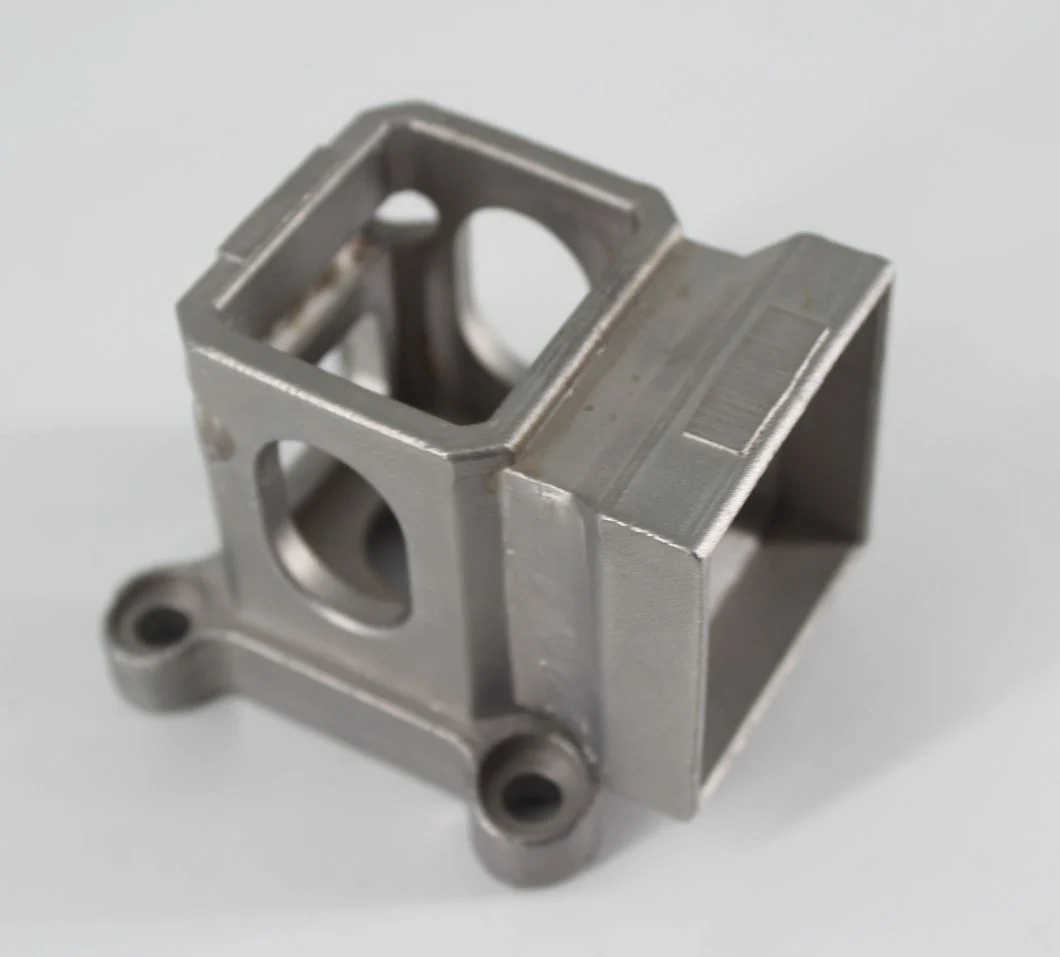
Integrated Precision Machining Cell
VastCasting in-house CNC shop executing high-precision turning and milling on 2205 and 2507 duplex valve bodies and pump components.
Complete In-House Manufacturing Capabilities
Uncompromised quality control across every stage of duplex investment casting and finish machining.
Silica Sol Investment Casting
Precision lost-wax casting delivering smooth surface finishes (Ra 3.2–6.3 µm) and tight dimensional tolerances for complex internal fluid passages.
Controlled Solution Annealing
High-temperature solution heat treatment (1040°C–1120°C) with rapid water quenching to prevent sigma phase and guarantee optimal PREN performance.
Precision Duplex CNC Machining
Multi-axis CNC turning, milling, and boring designed to hold critical sealing face, flange, and thread tolerances for severe-service applications.
Comprehensive Inspection & NDT
In-house CMM dimensional reports, Ferritescope phase testing, dye penetrant (PT), radiography (RT), and 100% hydrostatic testing.
Seamless Turnkey Manufacturing Workflow
Our unified engineering workflow bridges the gap between foundry metallurgists and CNC programmers, delivering high-precision duplex components on schedule.
Design for Manufacturability (DFM)
Technical review of 3D CAD models to optimize solidification patterns, machining allowances, datum references, and tooling access prior to pattern production.
Precision Casting & Heat Treatment
Lost-wax ceramic shell building, vacuum/induction melting of 2205/2507 alloys under spectrometer analysis, followed by controlled solution annealing.
CNC Machining & Quality Release
Direct transfer to internal CNC machining centers for finish turning and milling, final CMM inspection, pressure testing, and export packaging.
Duplex Stainless Steel Investment Casting FAQs
Get direct technical and commercial answers regarding duplex casting costs, machinability of 2205 and 2507 alloys, ferrite content control, lead times, and single-source foundry capabilities.
What primary factors determine duplex casting cost compared to standard stainless steel?
Calculating overall duplex casting cost requires evaluating alloy surcharges, high-temperature thermal processing, and specialized finishing steps. While raw ingot costs for ASTM A995 Grade 4A 2205 or Grade 5A 2507 exceed standard 316L, component-level engineering design frequently generates substantial net savings for fluid handling systems.
- Alloy Surcharges: Elevated concentrations of Molybdenum (up to 3.5%) and Chromium (up to 25%) increase raw material stock costs relative to standard austenitic grades.
- High-Temperature Solution Annealing: Mandatory thermal processing between 1040°C and 1120°C followed by rapid water quenching is required to dissolve brittle intermetallic Sigma phases.
- Wall-Thickness Weight Reduction: Yield strengths exceeding 450 MPa allow engineers to reduce valve body and pump housing wall thickness by up to 30%, offsetting per-kilogram material premiums.
VastCasting optimizes gating systems and pouring yields during 2205 investment casting, delivering competitive pricing directly from our specialized China investment foundry facility.
How does VastCasting handle the challenging machinability of 2205 duplex alloys?
The machinability of 2205 duplex stainless steel is approximately 25% to 30% lower than 316L due to rapid work hardening, high mechanical yield strength, and low thermal conductivity. Cutting tools experience heavy thermal loads and notch wear unless tool paths and speeds are carefully controlled.
We utilize specialized PVD-coated carbide inserts, rigid hydraulic fixtures, positive rake geometries, and constant heavy feed rates to cut beneath work-hardened surface layers.
High-pressure through-spindle coolant delivery is focused directly at the cutting zone to reduce friction heat and efficiently flush tough, stringy chips.
By managing both casting and duplex CNC machining in-house, VastCasting eliminates tooling disputes between separate foundries and machine shops, delivering fully finished 2205 valve bodies and impellers machined to exact drawing tolerances.
What are the standard lead times for duplex casting prototypes and volume orders?
Manufacturing schedules depend on pattern complexity, tooling design, non-destructive testing requirements, and downstream CNC machining. Our standard production timelines are structured as follows:
- Die Tooling Fabrication: 3 to 4 weeks for aluminum pattern tooling design, CNC milling, and wax injection verification.
- Sample Approval (FAIR): 1 to 2 weeks for initial pouring, solution annealing, full dimensional inspection, and MTR material report generation.
- Volume Production Delivery: 4 to 6 weeks for production batch shell building, casting, heat treatment, CNC machining, and final quality assurance.
- Rapid Prototyping Option: 10 to 14 days using 3D-printed wax or PMMA patterns for quick-turn engineering trials without hard tooling.
Which quality certifications and test reports accompany VastCasting duplex shipments?
Every shipment of high strength duplex steel castings from VastCasting includes a comprehensive material traceability packet conforming to international industrial standards.
EN 10204 3.1 Material Test Report: Complete chemical analysis via optical emission spectrometer and mechanical properties testing matching ASTM A995 Grade 4A 2205 or Grade 5A 2507 specs.
Ferrite Content Testing: Microstructural metallographic examination and magnetic gauge measurement confirming a balanced 45% to 55% ferrite-austenite phase ratio.
Non-Destructive Examination (NDE): Dye penetrant inspection (PT), radiographic inspection (RT), ultrasonic testing (UT), and pressure test certificates upon request.
What are your minimum order quantities (MOQ) for custom OEM duplex components?
VastCasting maintains flexible production scheduling structured to support specialized short-run development as well as high-volume industrial manufacturing.
Minimum order quantities start at 10 to 50 pieces for specialized petrochemical pump impellers, seawater desalination components, and heavy valve bodies. For broader industrial requirements, explore our full range of custom stainless-steel-castings. Automated silica sol shell-making lines easily support recurring monthly production volumes exceeding 10,000 units with consistent batch-to-batch repeatability.
What are the advantages of combining casting and CNC machining under one supplier?
Sourcing raw castings from one foundry and outsourcing CNC machining to an independent shop creates logistical friction, shipping markups, and accountability disputes when subsurface defects appear during final machining.
VastCasting integrates silica sol investment casting, automated solution annealing, multi-axis CNC machining, CMM dimensional inspection, and pressure testing inside a single facility. This single-source turnkey model cuts supply chain overhead by over 15% while guaranteeing total single-point quality accountability.
Ready to Evaluate Your Duplex Stainless Steel Casting Project?
Submit 3D STEP files or 2D CAD drawings to receive a comprehensive manufacturability assessment, tooling evaluation, and formal quotation within 24 hours from VastCasting engineering specialists.
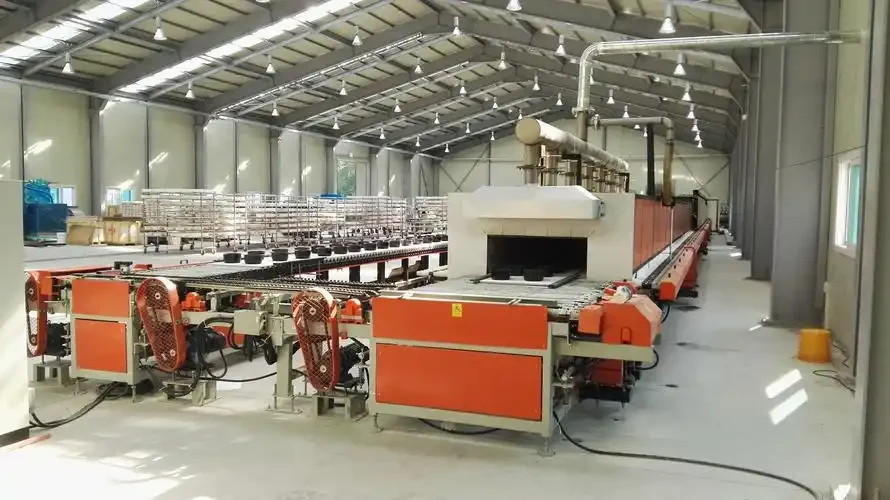
Fast review for 2205 and 2507 high-pressure pump, valve, and fluid control components.
Ready to Start Your Duplex Casting Project?
Partner with VastCasting for precision 2205 and 2507 duplex stainless steel investment castings and in-house CNC machining. Upload your 3D CAD models or 2D drawings to receive a comprehensive DFM assessment and custom quote within 24 hours.
Strict IP & NDA Protection
Your proprietary valve and pump CAD files are stored on secure, encrypted servers.
24-Hour Quote Guarantee
Casting engineers analyze PREN specs, wall thickness, and machining tolerances fast.
ASTM A995 & Solution Annealed
Certified foundry controlling 50/50 ferrite phase balance and providing MTR 3.1 reports.
Need Immediate Technical Assistance?
You can also contact us directly for specialized support.
Phone / WhatsApp
+86 13345064499
RFQ Email Inbox
sales@vastcasting.com
Get a Duplex Stainless Steel Casting Quote
Provide your project requirements and attach CAD files below for a prompt engineering assessment and quotation.