Formula details
Product Details
Overview
Automotive After Market Investment Castings
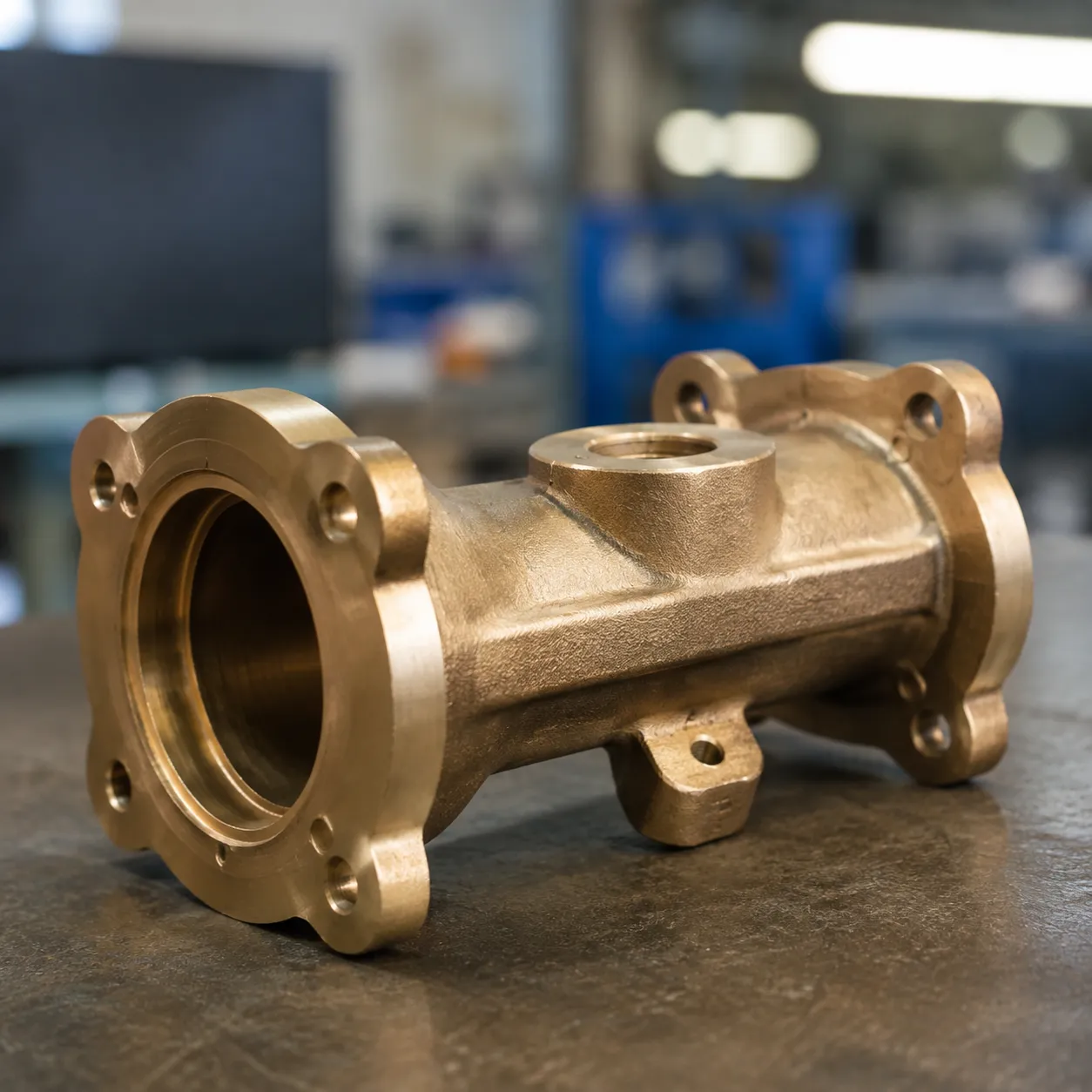
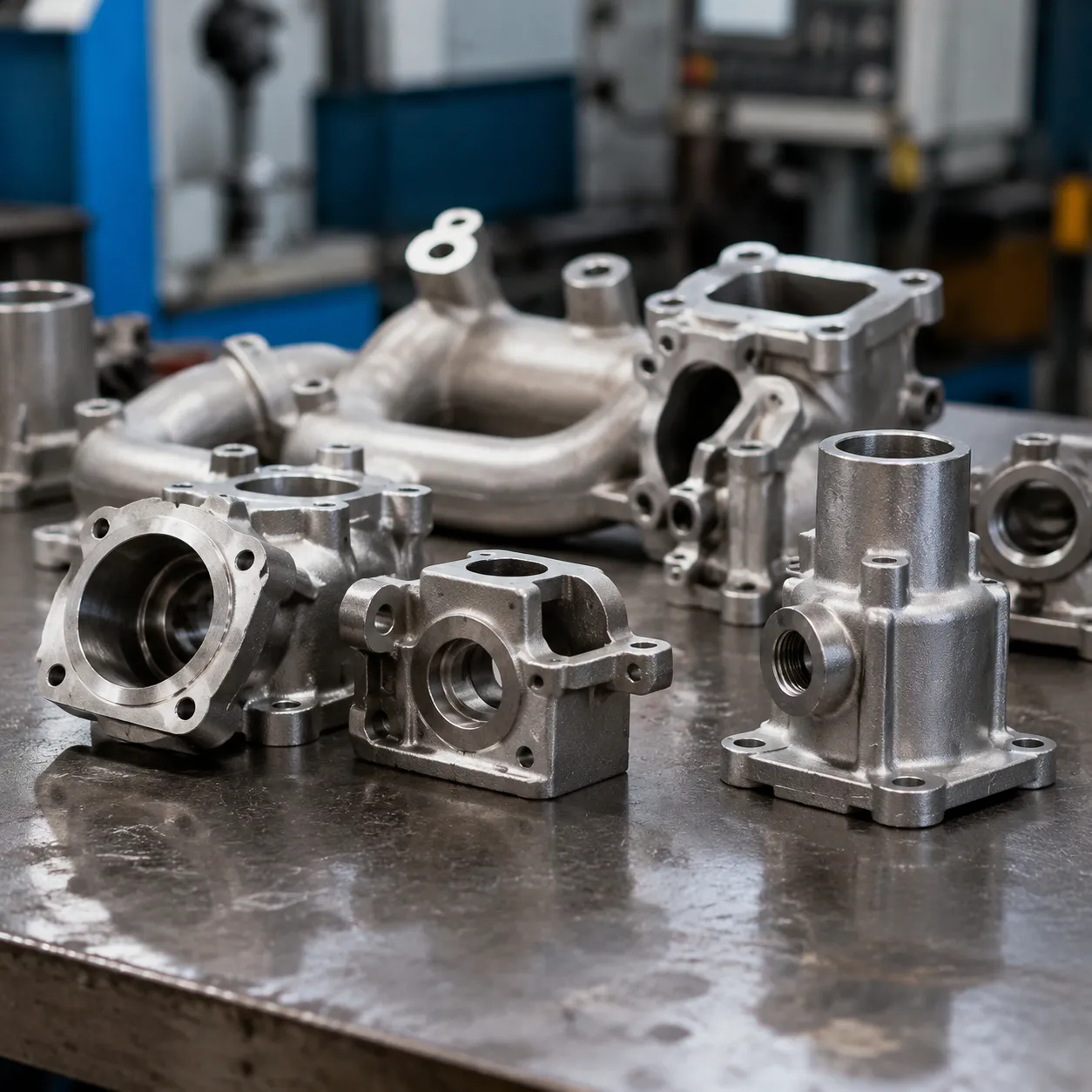
Automotive after market investment castings are precision lost wax casting parts for replacement, restoration, and performance upgrades—covering steel, aluminum, and heat-resistant alloy materials with near-net shapes, ISO-class tolerances, and optional CNC machining for bolt-on fitment on light vehicles and heavy truck parts.
What is Investment Casting in the Automotive Industry?
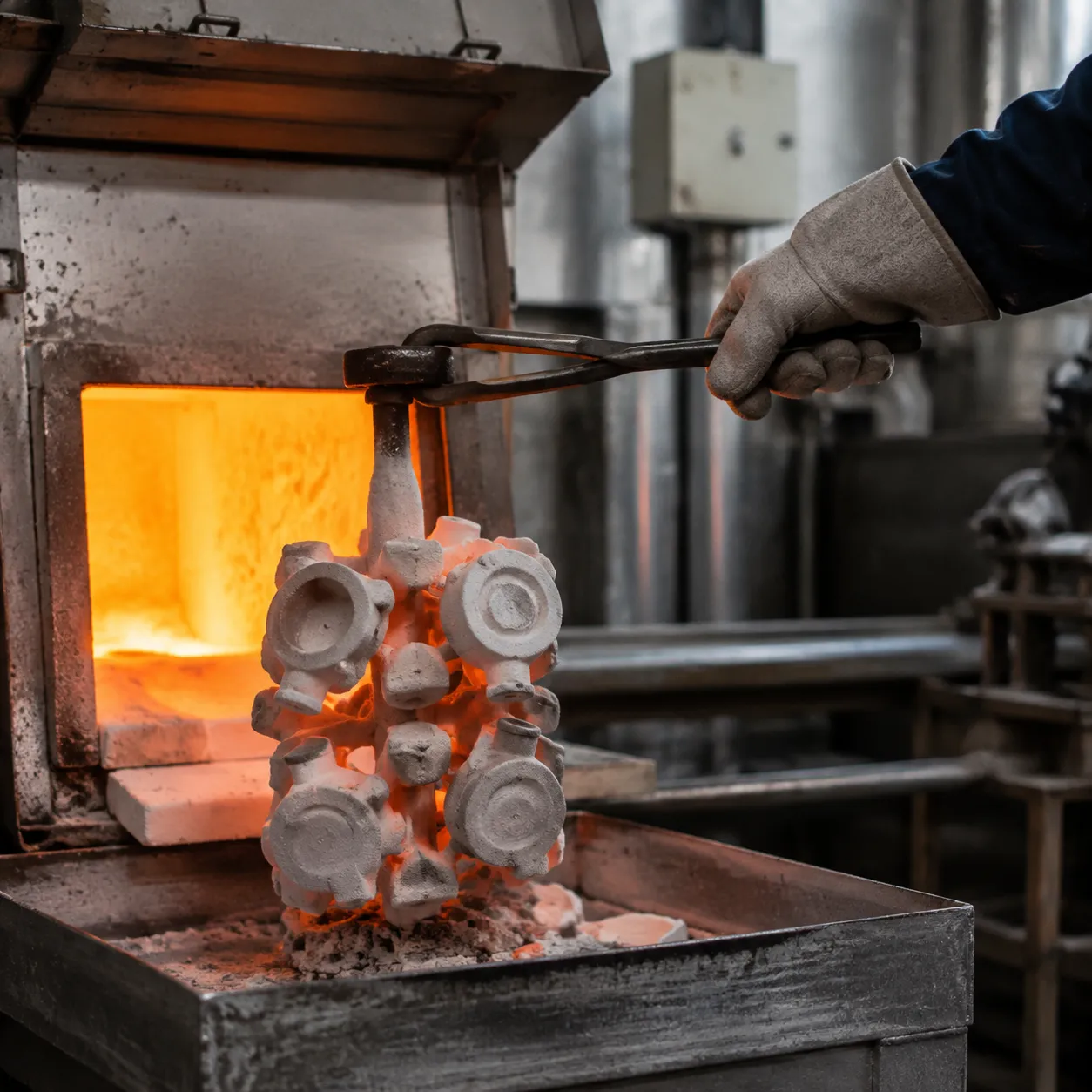
Investment casting, also known as lost wax casting, is a precision manufacturing process used to create intricate, highly accurate metal components for the automotive sector. By pouring molten metal into a ceramic mold formed around a wax pattern, this method produces near-net-shape parts with complex geometries, outstanding structural integrity, and excellent surface finishes that significantly reduce the need for secondary machining. Compared with sand casting, the process holds tighter dimensional control on thin walls and internal passages used in aftermarket programs.
The Growing Demand for Aftermarket Cast Components
Global demand for automotive aftermarket investment castings continues to rise, driven by evolving vehicle owner requirements and industry trends:
- Extended Vehicle Lifespans: Rising average vehicle ages drive sustained demand for high-strength replacement parts.
- Customization & Performance: Automotive enthusiasts require specialized, lightweight components engineered for racing, vintage restoration, and custom vehicle builds.
- Supply Chain Efficiency: Aftermarket solutions bridge supply gaps for out-of-production parts, offering fast production turnarounds without high OEM minimum order quantities.
Comparing OEM and Aftermarket Investment Castings
While OEM components focus on standardized high-volume production for OEM and tier 1 supplier programs, high-quality aftermarket investment castings offer enhanced flexibility, specialized material options, and performance-oriented engineering improvements.
| Key Feature | OEM Investment Castings | Aftermarket Investment Castings |
|---|---|---|
| Production Volume | Fixed high-volume runs | Flexible batch sizes (low-to-mid volume) |
| Design Adaptability | Rigid factory specifications | Custom modifications and optimized geometries |
| Material Options | Standard alloy selections | Advanced alloy materials tailored for higher durability |
| Development Speed | Long lead times for retooling | Fast turnaround through rapid prototyping |
Benefits of Precision Investment Casting for Automotive Parts
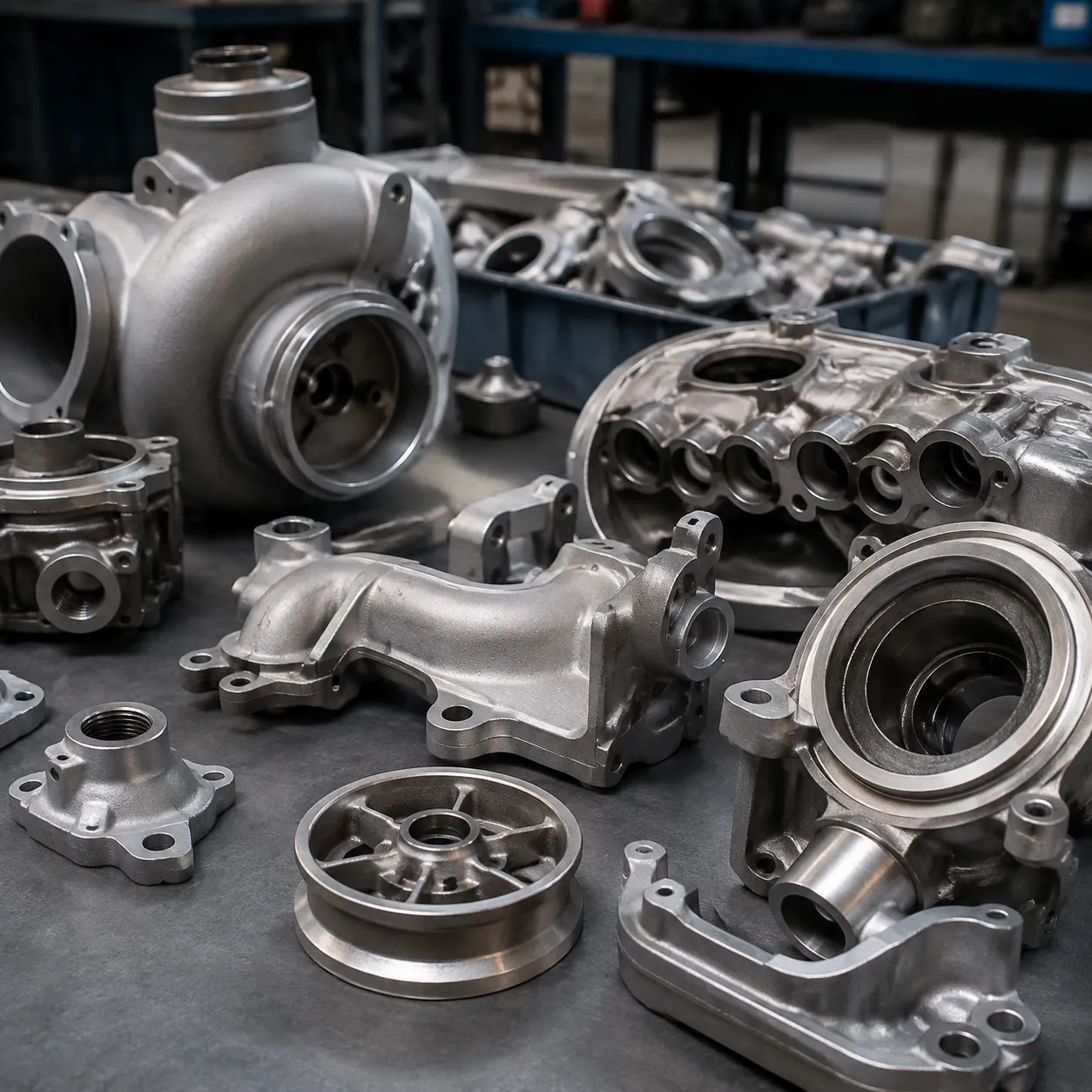
High-performance automotive aftermarket investment castings deliver exceptional structural integrity and dimensional accuracy. Custom metal components are engineered to withstand extreme stress, heat, and mechanical friction.
High Precision and Complex Geometry Capabilities
Precision lost wax casting produces intricate shapes that traditional forging or standard machining cannot easily replicate.
- Internal Passages: Cast internal fluid channels, cooling jackets, and complex exhaust ports directly into the part.
- Near-Net Shapes: Pour molten alloy precisely to the final shape, cutting down raw material consumption.
- Thin-Wall Design: Create strong, lightweight components without sacrificing structural rigidity.
The investment casting process produces parts that easily match or exceed original factory performance standards.
Superior Surface Finish and Tight Tolerances
Investment casting delivers exceptionally smooth surfaces, minimizing airflow restriction in air intakes and turbo systems while eliminating unnecessary friction.
| Feature | Investment Casting Standard | Benefit to Aftermarket Parts |
|---|---|---|
| Surface Roughness | Ra 3.2 µm to Ra 6.3 µm | Smooth fluid flow and reduced post-processing |
| Dimensional Tolerance | ISO 8062-3 (CT4 – CT6) | Direct bolt-on fitment with zero field modification |
| Material Integrity | Near-zero structural porosity | Maximum fatigue life under extreme load |
When micro-inch accuracy is required, integrated precision CNC machining finishes critical mating surfaces, thread patterns, and bearing bores.
Cost Efficiency for Custom and Low-Volume Production
Upgrading aftermarket performance components or reproducing obsolete vintage parts demands production flexibility.
- Lower Tooling Investment: Wax pattern tooling costs significantly less than high-pressure die-casting dies.
- Reduced Scrap Costs: Near-net shape forming drastically minimizes expensive metal waste.
- Flexible Batch Sizes: Cost-effective for small runs, specialized tuning batches, and rapid prototypes.
Material Versatility and Weight Reduction
Casting covers a broad spectrum of alloy materials designed for demanding thermal and mechanical environments.
- Stainless & Carbon Steel: Ideal for high-pressure turbo housings, exhaust flanges, and heavy truck parts requiring ultimate durability.
- Aluminum Alloys: Perfect for lightweight components, intake manifolds, and brackets that reduce overall vehicle weight.
- Heat-Resistant Superalloys: Formulated for high-temperature exhaust and combustion environments to prevent thermal cracking.
- Common Materials Used in Automotive Investment Casting
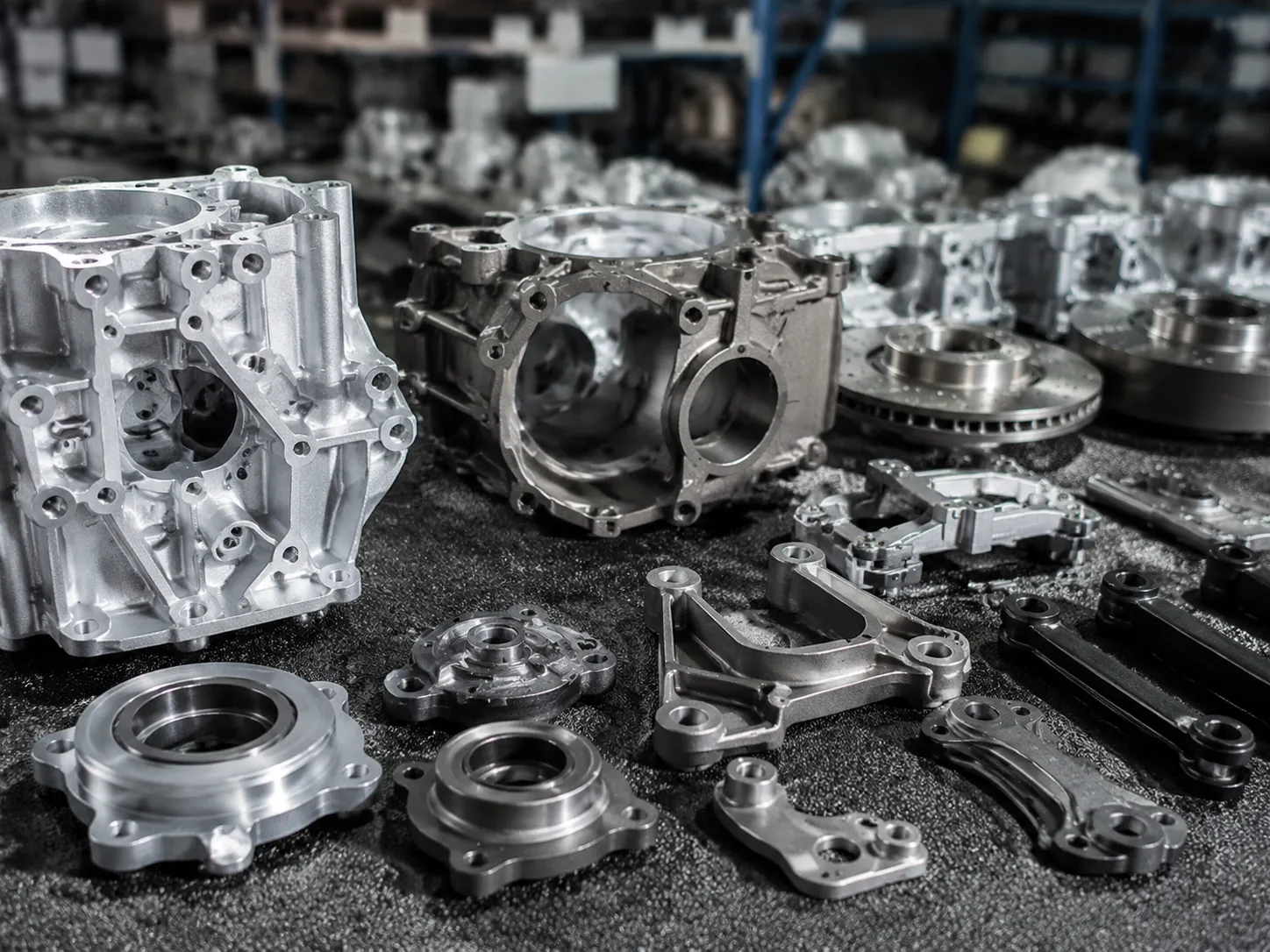
Choosing the right alloy materials is critical when manufacturing automotive aftermarket investment castings. Metals are selected based on structural integrity, corrosion resistance, thermal stability, and weight requirements to deliver high-strength parts that match or exceed original specifications.
- Stainless Steel and Carbon Steel Alloys
Steel alloys form the backbone of high-stress automotive aftermarket parts due to their toughness and fatigue resistance.
- Carbon Steels: Exceptional tensile strength and wear resistance. Ideal for heavy-duty brackets, drivetrain hardware, suspension arms, and heavy truck parts.
-
Stainless Steels: Superior protection against heat, rust, and road chemicals. Commonly cast for turbo housings, exhaust flanges, and fluid control valve body fittings.
-
Aluminum Alloys for Lightweight Aftermarket Parts
Weight reduction is essential for improving vehicle performance, fuel economy, and handling. Using lost wax casting, complex, high-density aluminum parts are produced without sacrificing durability.
- Weight Reduction: Replaces heavier cast iron components, significantly reducing un-sprung weight.
- Thermal Management: Delivers excellent heat dissipation, making it perfect for intake manifolds, water pump bodies, and alternator brackets.
-
Material Options: High-grade aluminum alloys (such as A356 and A357) are optimized for structural strength and precision casting.
-
Heat-Resistant Alloys for Performance Applications
High-horsepower engines and modified race vehicles operate under extreme thermal cycles and extreme pressures. Standard metals degrade quickly in these environments.
- Nickel and Cobalt Alloys: Resists severe oxidation, warping, and thermal fatigue at extreme temperatures.
- Core Applications: Purpose-built for aftermarket turbocharger turbine housings, wastegate bodies, exhaust manifolds, and high-performance racing components.
Key Applications of Aftermarket Automotive Investment Castings
Precision lost wax casting plays a vital role in producing high-performance replacement parts across the vehicle industry. We manufacture high-strength custom metal components engineered to meet or exceed original factory specifications.
Engine and Turbocharger Components
Engine builders and performance tuners rely on automotive aftermarket investment castings for parts operating under intense thermal and pressure stresses.
Turbocharger Housings & Wastegates: Cast in heat-resistant steel and superalloys for maximum durability.
Exhaust Systems: Complex interior channels cast with high precision to optimize exhaust flow.
Engine Mounts & Brackets: Lightweight components designed to reduce vehicle mass without sacrificing structural strength.
Transmission and Drivetrain Hardware
Drivetrain systems demand tight tolerances to manage heavy torque and vibration. We produce shift forks, clutch hardware, and differential brackets using advanced alloy materials. For specialized setups, we pair investment casting with secondary processing to supply aluminum CNC machined parts for gearbox and exhaust systems that perform under demanding conditions.
Brake System and Chassis Components
Safety-critical chassis parts require exceptional structural integrity. Precision casting allows us to produce rigid brake calipers, steering knuckles, and suspension mounts designed to handle dynamic shock loads. These components deliver reliable fatigue resistance and structural stiffness for both street vehicles and commercial trucks.
Custom Performance and Vintage Restoration Parts
When OEM components are obsolete or stock parts cannot handle upgraded horsepower, investment casting is the ideal manufacturing method.
Vintage Reproductions: Reverse-engineering rare, out-of-production parts with exact geometric accuracy.
Motorsport Upgrades: Creating custom-designed components tailored specifically for racing applications.
Low-Volume Production: Delivering short production runs economically without high tooling overhead.
Investment Casting Capabilities and Secondary CNC Services
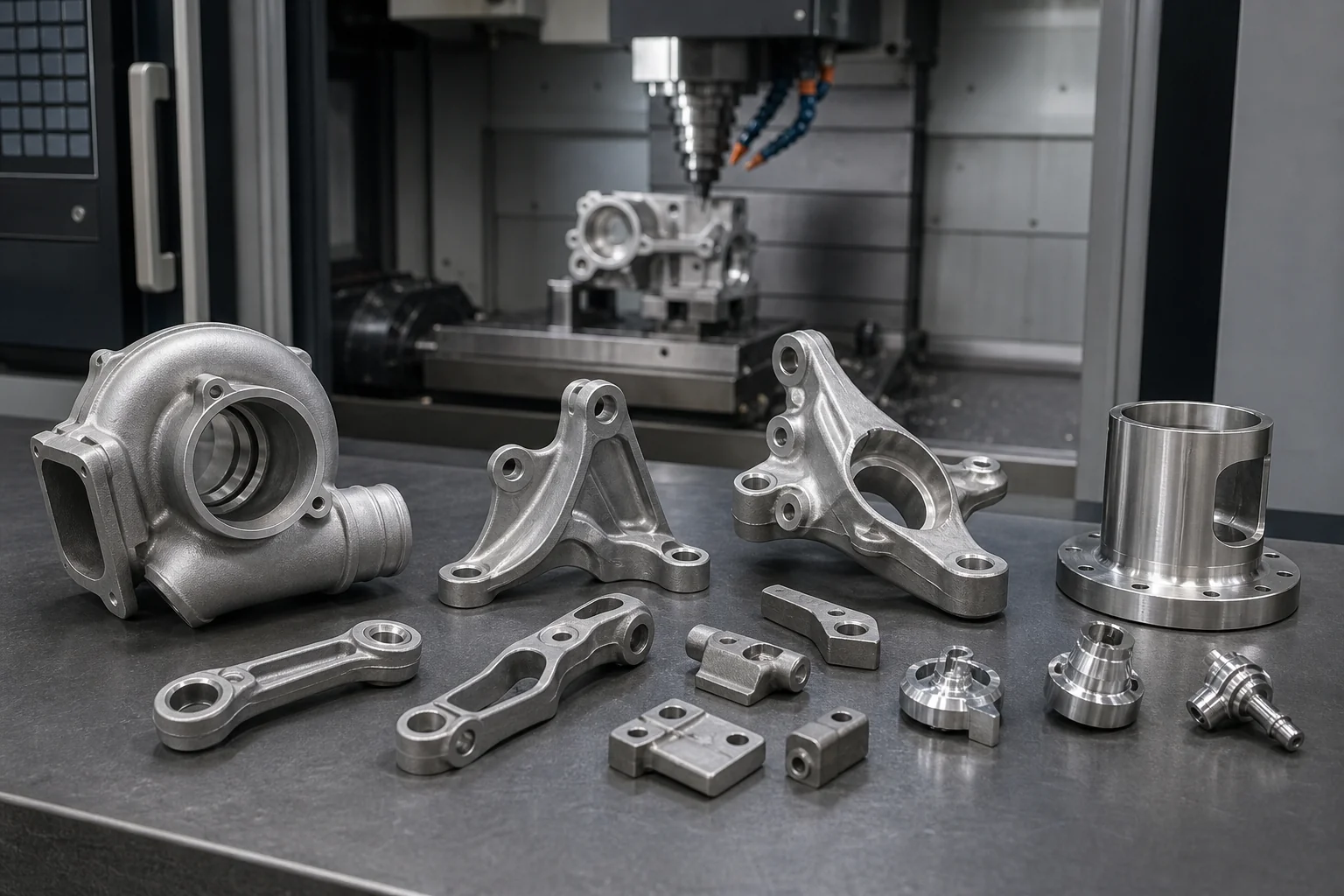
We are a provider of investment casting and precision CNC machining services, delivering complete end-to-end manufacturing for high-performance automotive aftermarket investment castings.
Rapid Prototyping and Design Assistance
Moving from concept to production requires speed and accuracy. We leverage 3D printing and digital modeling to supply rapid prototyping services for custom metal components, eliminating expensive initial tooling costs.
- Design for Manufacturability (DFM): We optimize your part geometry to improve metal flow and eliminate shrinkage. Utilizing advanced mold design and simulation software, we detect and fix potential casting defects before pouring metal.
- Reverse Engineering: We recreate accurate 3D CAD models from worn or obsolete OEM components to manufacture upgraded aftermarket replacements.
- Pattern Creation: 3D-printed wax or resin patterns enable fast prototype evaluation before committing to full-scale wax pattern tooling.
Precision CNC Machining and Surface Finishing
While lost wax casting produces near-net shapes with smooth finishes, high-stress automotive applications require sub-millimeter tolerances. Our post-casting operations bring raw castings to exact final specifications.
- Multi-Axis CNC Machining: Precision milling, turning, tapping, and boring for critical mounting faces, bearing housings, and threaded ports.
- Surface Treatments: Shot blasting, bead blasting, electropolishing, passivation, and custom powder coating for enhanced corrosion resistance and appearance.
- Turnkey Assembly: Press-fitting bushings, installing inserts, and pre-assembling multi-component hardware for drop-in installation.
Nondestructive Testing and Quality Control
Automotive components face intense thermal cycle stress, high vibration, and heavy loads. Our strict quality control systems guarantee structural integrity across every production batch.
| Inspection Type | Method & Purpose |
|---|---|
| Dimensional Inspection | CMM (Coordinate Measuring Machine) verification against 3D CAD models |
| Material Analysis | Optical Emission Spectrometry (OES) to verify alloy composition |
| Nondestructive Testing (NDT) | X-ray radiography, dye penetrant (PT), and magnetic particle testing (MT) for subsurface integrity |
| Mechanical Testing | Tensile strength, yield strength, and hardness testing for high-strength parts |
Explore our fully equipped testing facilities to learn more about our quality management protocols.
Quality Control and Engineering Support for Aftermarket Castings
We deliver precision lost wax casting and custom metal components engineered to meet the rigid performance demands of the global auto sector. Our specialized manufacturing process ensures your automotive aftermarket investment castings deliver exceptional durability, exact fitment, and high structural integrity. Sibling aluminum work such as A356 aluminum investment casting follows the same casting and finishing workflow.
Stringent Quality Assurance and Certifications
Quality control is built into every stage of our production workflow. We combine rigorous inspection protocols with precision casting and secondary CNC machining to deliver defect-free components.
- Certified Standards: Our facilities maintain global manufacturing benchmarks. Review our full quality assurance and certifications to inspect our compliance protocols and testing standards.
- Advanced Inspection: CMM dimensional verification, non-destructive testing, and metallurgical analysis guarantee every part meets or exceeds OEM components in tolerance and strength.
Engineering Support and Reverse Engineering Services
We bridge the gap between concept and physical part. Our engineering team provides complete technical guidance to optimize your aftermarket components before mass production.
- 3D Scanning & Modeling: Complete reverse engineering services for legacy, obsolete, or hard-to-source vehicle components.
- Design Optimization: Rapid prototyping and alloy material selection to maximize component strength, reduce overall weight, and streamline unit cost.
Flexible Batch Sizes and Fast Turnaround Times
Our manufacturing operations adapt quickly to changing market demand, supporting both small-batch custom runs and full-scale commercial production.
- Scalable Production: Flexible order volumes tailored for niche performance builds, classic restorations, or heavy truck parts.
- Rapid Execution: In-house tooling development and CNC finishing shorten total lead times to get your parts to market fast.
Get Started with Custom Automotive Aftermarket Investment Castings
Bringing new performance parts or hard-to-find replacement components to market requires an experienced manufacturing partner. We engineer reliable automotive aftermarket investment castings that meet exact dimensional specifications and rigorous performance standards.
Design Review and Tooling Optimization
Our engineering team analyzes your design upfront to optimize manufacturability, minimize material waste, and reduce production cycles before cutting tool steel.
- Design for Manufacturability (DFM): We evaluate wall thickness, draft angles, and gate placements to eliminate shrinkage defects in the lost wax casting process.
- Rapid Prototyping: Validate fit and function with 3D-printed wax or resin patterns before committing to hard tooling.
- Tooling Precision: We build durable aluminum and steel dies engineered for consistent dimensional yield across both low-volume custom runs and high-volume production.
- Material Selection: Optimize component performance using specialized alloy materials, including high-strength stainless steel castings and lightweight aluminum grades.
Requesting a Quote for Your Casting Project
To receive a fast, accurate cost and timeline evaluation for your custom project, submit your technical specifications to our team.
| Quote Input Requirement | Technical Details Needed |
|---|---|
| Design Files | 3D CAD models (STEP, IGES) and 2D engineering drawings with key tolerances |
| Material Specs | Specific alloy grade, heat treatment requirements, and mechanical property targets |
| Production Volume | Prototype quantities and projected annual batch sizes |
| Secondary Processing | Tight-tolerance CNC machining, surface finishing, or plating requirements |
| Quality Control | Non-destructive testing (NDT), CMM inspection, or material certification standards |
We deliver detailed commercial proposals alongside complete engineering feedback to ensure your parts move seamlessly from concept to final delivery. Contact us to request a casting quote.