Precision Mold Design & Advanced Casting Simulation
VastCasting integrates high-precision wax tooling design with front-end fluid flow and solidification simulation under one roof. We engineer die architecture, gating systems, and riser layouts to eliminate porosity, shrinkage, and dimensional risks before the first pour—ensuring superior performance across custom stainless steel castings and complex alloys.
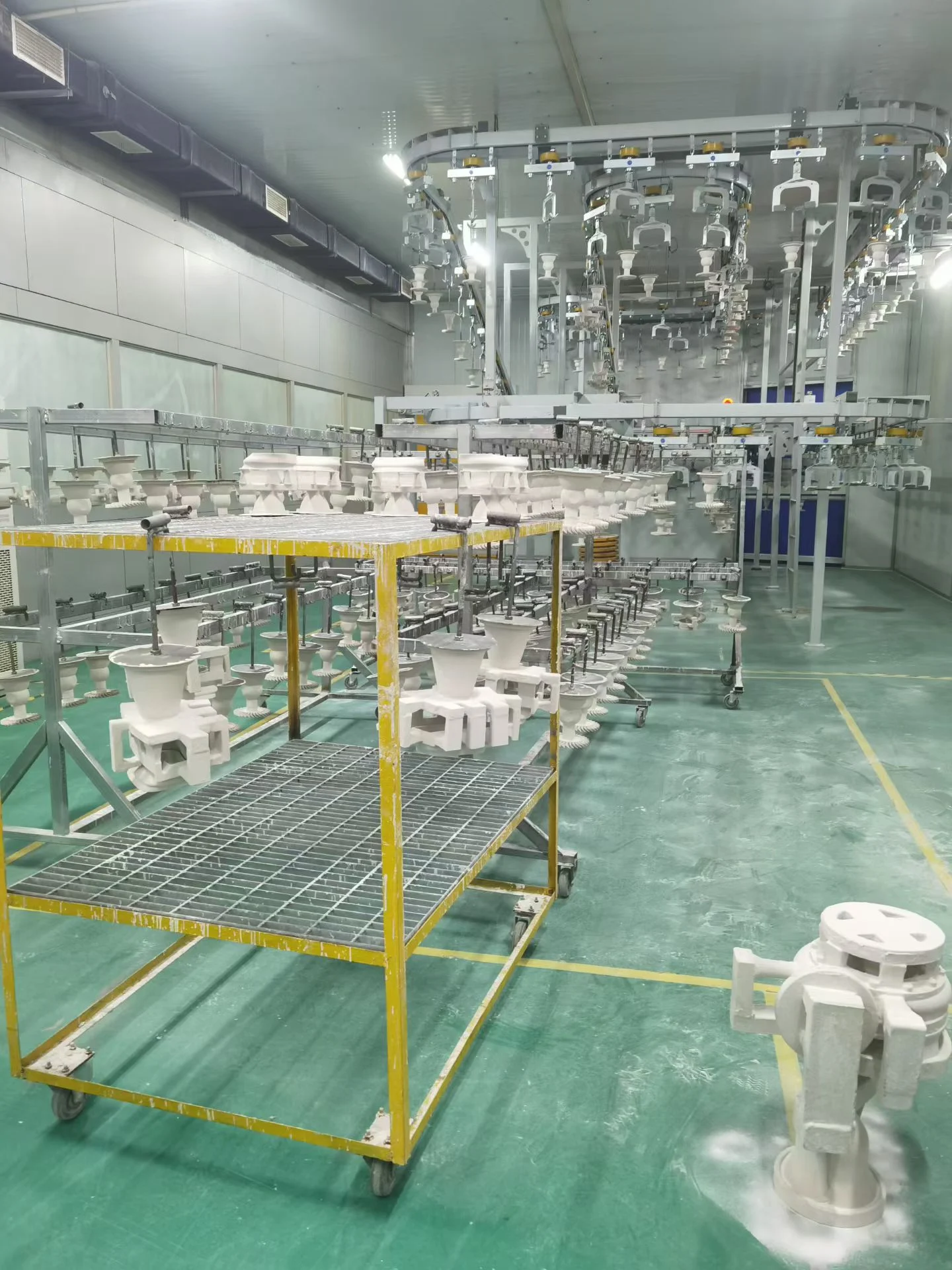
Gating System Layout and Mold Structure Design
Engineering high-integrity investment casting molds requires rigorous control over fluid dynamics and metal solidification. VastCasting integrates volumetric thermal analysis with high-precision wax pattern die fabrication, eliminating filling turbulence and internal shrinkage before initial pouring.
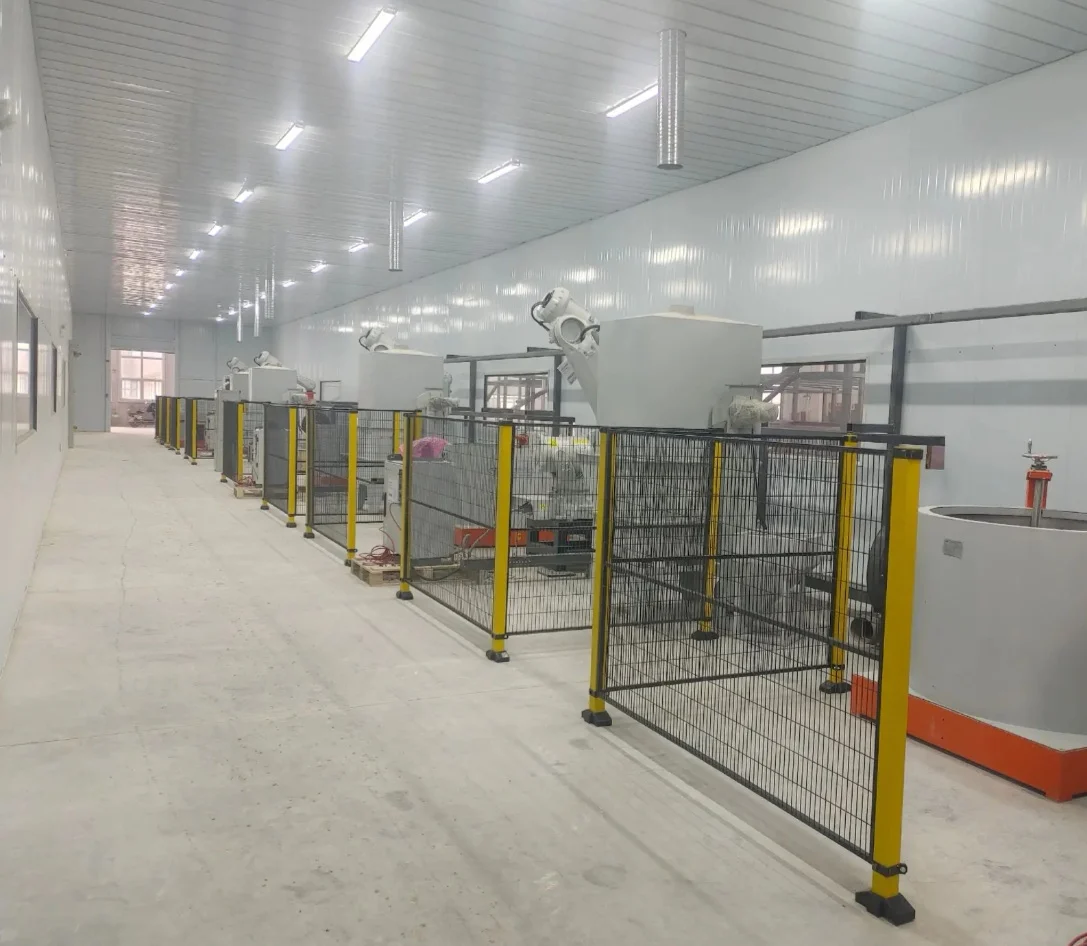
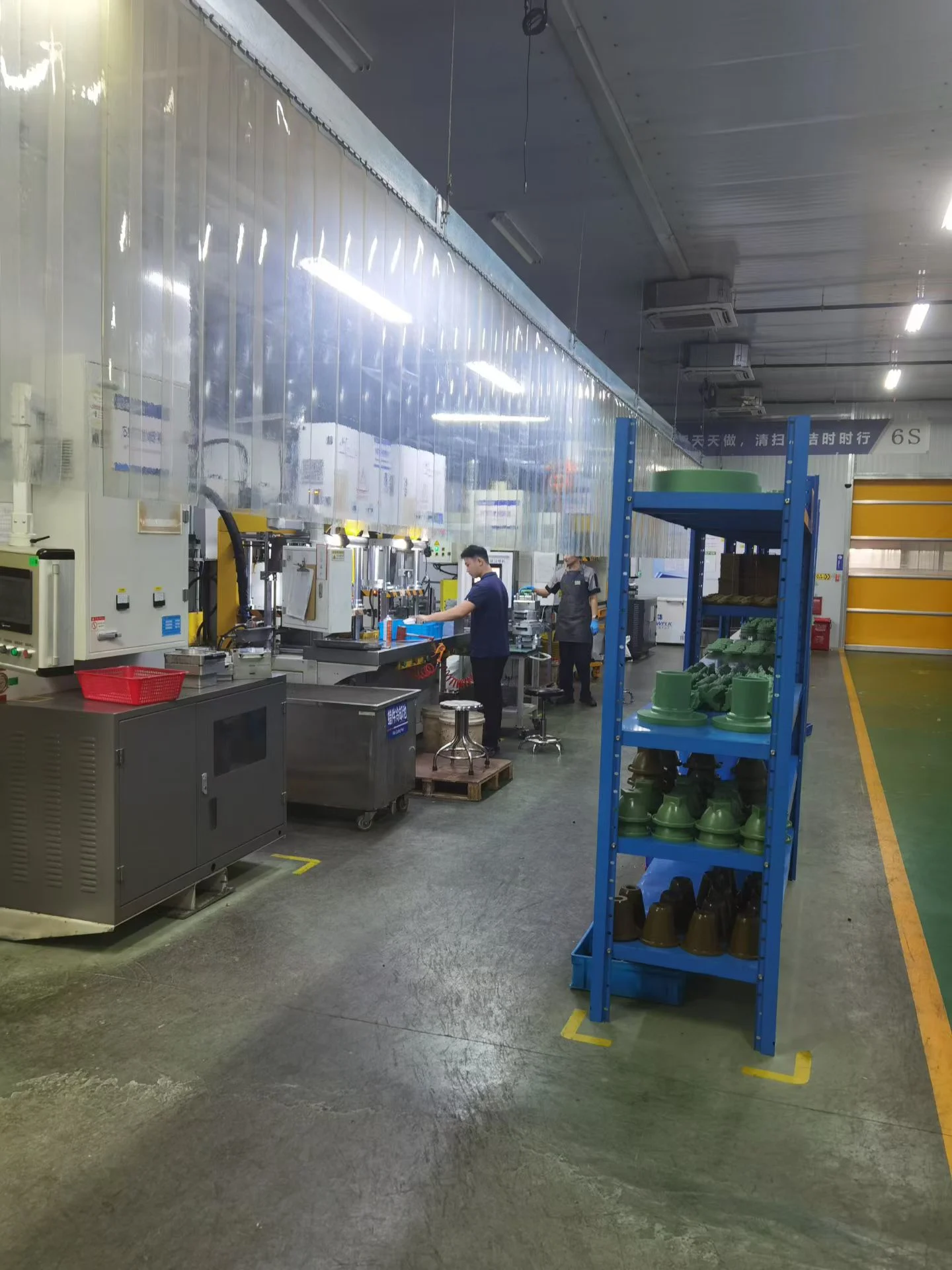
High-precision aluminum and steel multi-cavity wax pattern dies engineered for repeatable, defect-free production.
Wax Pattern Die Design & Shrinkage Control
Dimensionally precise investment castings rely on rigorous wax pattern die engineering. As molten alloys cool, they exhibit non-uniform volumetric contraction, requiring precise casting shrinkage allowance calculations tailored to component geometries and wall thickness variations.
At VastCasting, our tooling engineers apply localized shrinkage allowance algorithms to counter 3D distortion in complex stainless steel castings, aluminum, and superalloy high temp castings components. Multi-cavity wax pattern dies feature automated core pulling mechanisms, internal cooling channels, and micro-fit parting line alignments to eliminate flash.
Core Tooling Engineering Standards
- 1 Casting Shrinkage Allowance Compensation: Multi-axis volumetric shrinkage factors applied to prevent dimensional deviation.
- 2 High-Precision Wax Pattern Dies: CNC-machined aircraft-grade aluminum and hardened tool steel die cavities.
- 3 Thermal Uniformity Control: Conformal cooling channels inside the wax pattern die ensure uniform pattern solidification and tight tolerances.
Fill and Solidification Simulation Analysis
VastCasting operates on a strict Simulate First, Cast Second engineering protocol. Before a single gram of metal is poured, our engineering team executes high-fidelity casting filling simulation and solidification analysis. By digitally mapping thermal fields, fluid flow velocity, and phase transformations, we eliminate internal shrinkage porosity, cold shuts, and thermal distortion during pre-production engineering—ensuring a zero trial-and-error development cycle.
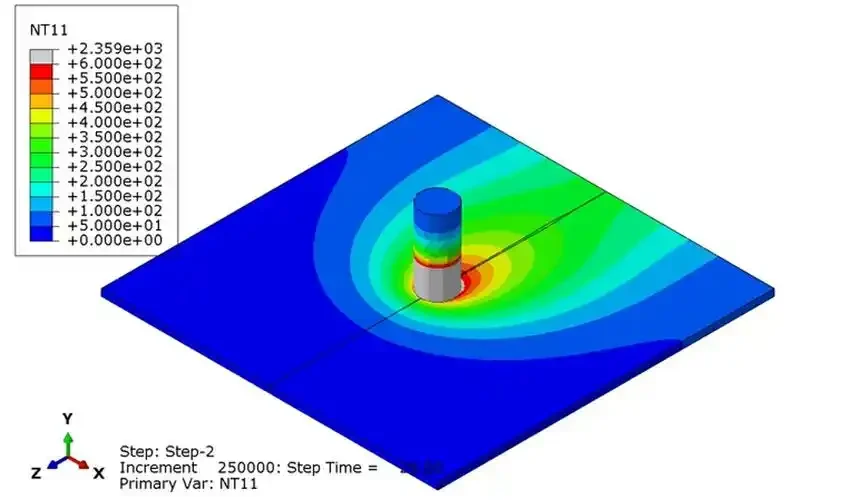
Predict Flow Behavior & Prevent Surface Defects
Advanced casting filling simulation tracks fluid dynamics and thermal gradients as molten metal enters the mold cavity. Our engineers analyze flow fronts and velocity vectors to optimize gating configurations before cutting steel tooling.
- Air entrapment prediction — identifies isolated gas pockets that cause blowholes and internal porosity
- Cold shut & misrun detection — pinpoints areas where converging liquid streams lack thermal energy to fuse seamlessly
- Turbulent zone mapping — highlights high-velocity flow regions that erode ceramic shells and introduce inclusions
- Process window optimization — calculates precise pouring speeds and metal temperature targets tailored to each alloy
By eliminating flow defects virtually, VastCasting protects surface integrity and guarantees high first-article acceptance rates.
Eliminate Shrinkage Porosity at the Source
Comprehensive solidification analysis models transient heat dissipation to reveal where liquid metal freezes last. This pinpoints thermal hot spots vulnerable to volumetric contraction and shrinkage porosity.
- Hot spot identification — pinpoints isolated liquid zones prone to micro and macro shrinkage voids
- Targeted porosity reduction — calibrates riser dimensions and feeding channels to achieve 95%+ porosity reduction
- Strategic chill positioning — guides chill block placement to accelerate solidification in thick structural sections
- Feeding path validation — confirms continuous liquid metal feed across every section throughout cooling
For pressure-tight valve-body-fittings and superalloy components, solidification modeling ensures total internal soundness under hydrostatic testing.
Control Warpage & Guarantee Machining Datums
Integrated thermal stress modeling calculates cooling contraction, phase changes, and residual stress build-up from shakeout to ambient temperatures, safeguarding key geometric tolerances.
- Distortion & warpage prediction — quantifies part distortion vectors to pre-compensate wax die tooling geometry
- Residual stress mapping — identifies high-stress points susceptible to cracking during cooling or heat treatment
- Datum stability assurance — verifies that CNC machining reference surfaces remain dimensionally stable post-shakeout
- Heat treatment optimization — establishes annealing cycles that relieve internal stress without warping critical features
Simulation results flow directly into downstream operations, seamlessly connecting our engineering with the physical Investment Casting Process to shorten development cycles by 40%.
The Engineering Value of Digital Pre-Validation
Every casting project at VastCasting begins with a validated digital twin. CAE simulation data is not a passive report—it is an active engineering input that shapes wax tooling geometry, riser design, pouring parameters, and multi-axis CNC machining fixtures.
Comprehensive Simulation Capabilities at a Glance
| Simulation Type | Defects & Phenomena Predicted | Engineering Output | Downstream Quality Impact |
|---|---|---|---|
| Casting Filling Simulation | Air entrapment, cold shuts, turbulence, oxide inclusions | Optimized gating layout, pouring speed, and thermal windows | Ensures flawless surface finish and eliminates internal gas pockets on first article |
| Solidification Analysis | Micro/macro shrinkage porosity, hot spots, feeding starvation | Calibrated riser geometry, chill locations, feed path design | Guarantees pressure tightness for hydraulic valves and defect-free NDT inspection |
| Thermal Stress Modeling | Part warpage, cooling cracks, residual stress accumulation | Pre-compensated mold dies, optimized stress-relief heat treatment | Provides stable machining datums and holds ultra-tight dimensional tolerances |
| Microstructure & Grain Control | Grain coarsening, unwanted phase shifts, columnar anomalies | Controlled shell preheat targets and alloy cooling rate profiles | Achieves optimal fatigue strength and creep resistance in superalloy turbine components |
Seamless Integration from Virtual Model to Production Floor
At VastCasting, CAE simulation functions as an active data pipeline driving every phase of manufacturing. Rather than operating in isolation, simulation outputs directly calibrate tooling fabrication, foundry pouring protocols, and multi-axis CNC machining setup.
From CAE to Tooling Design
Filling and solidification calculations directly drive wax die geometry. Shrinkage allowances, draft angles, and riser necks are calculated digitally, eliminating costly physical tool modifications.
From CAE to Foundry Floor
Thermal windows, shell preheating schedules, and metal pouring speeds are deployed as validated process limits. Foundry operators execute production guided by digital precision rather than empirical estimation.
From CAE to Precision CNC
Residual stress vectors and predicted warpage inform CNC fixture design and datum selection. Machining paths are programmed against stabilized reference points, ensuring total accuracy.
Validated Simulation Models Across Alloy Families
Fluidity, thermal conductivity, and solidification behavior vary dramatically between metallurgy groups. VastCasting maintains extensive, empirically validated thermo-physical material databases across all primary investment casting alloys:
Rapid Prototype Patterns & 3D Printed Wax Pattern Casting
Bypass expensive hard steel tooling during early product development. VastCasting leverages direct SLA and 3D printed wax pattern technologies to rapidly pour first-article metal castings and accelerate your time-to-market.
Die-Free Rapid Casting Tooling
Eliminate traditional mold fabrication lead times. By printing high-precision SLA resin or 3D wax patterns directly from your CAD data, we assemble raw pattern trees in days and proceed directly to ceramic shell building and investment casting.
| Parameter Comparison | Traditional Steel Tooling | 3D Printed Wax / Resin |
|---|---|---|
| Pattern Tree Assembly Lead Time | 4 – 6 Weeks | 5 – 7 Days |
| Tooling NRE Capital Investment | High Initial NRE Expense | $0 (No Hard Dies Required) |
| Design Iteration Flexibility | Costly Die Modifications | Instant Digital CAD Updates |
| Geometric Freedom | Strict Draft Angle Limits | Complex & Internal Passages |
| Suitable Order Volume | Medium to High Mass Production | 1 – 100+ Prototype Units |
Key Application Scenarios
Functional Verification
Validate physical fit, structural integrity, and stress tolerances with real metal pours before committing to production tooling.
High-Cost Alloy Testing
Perform low-volume trial runs on specialty stainless steel castings, nickel superalloys, or titanium with zero die mold overhead.
Complex Geometry Trials
Produce thin-walled components like valve body fittings, undercuts, and intricate internal channels impossible to pull from traditional steel dies.
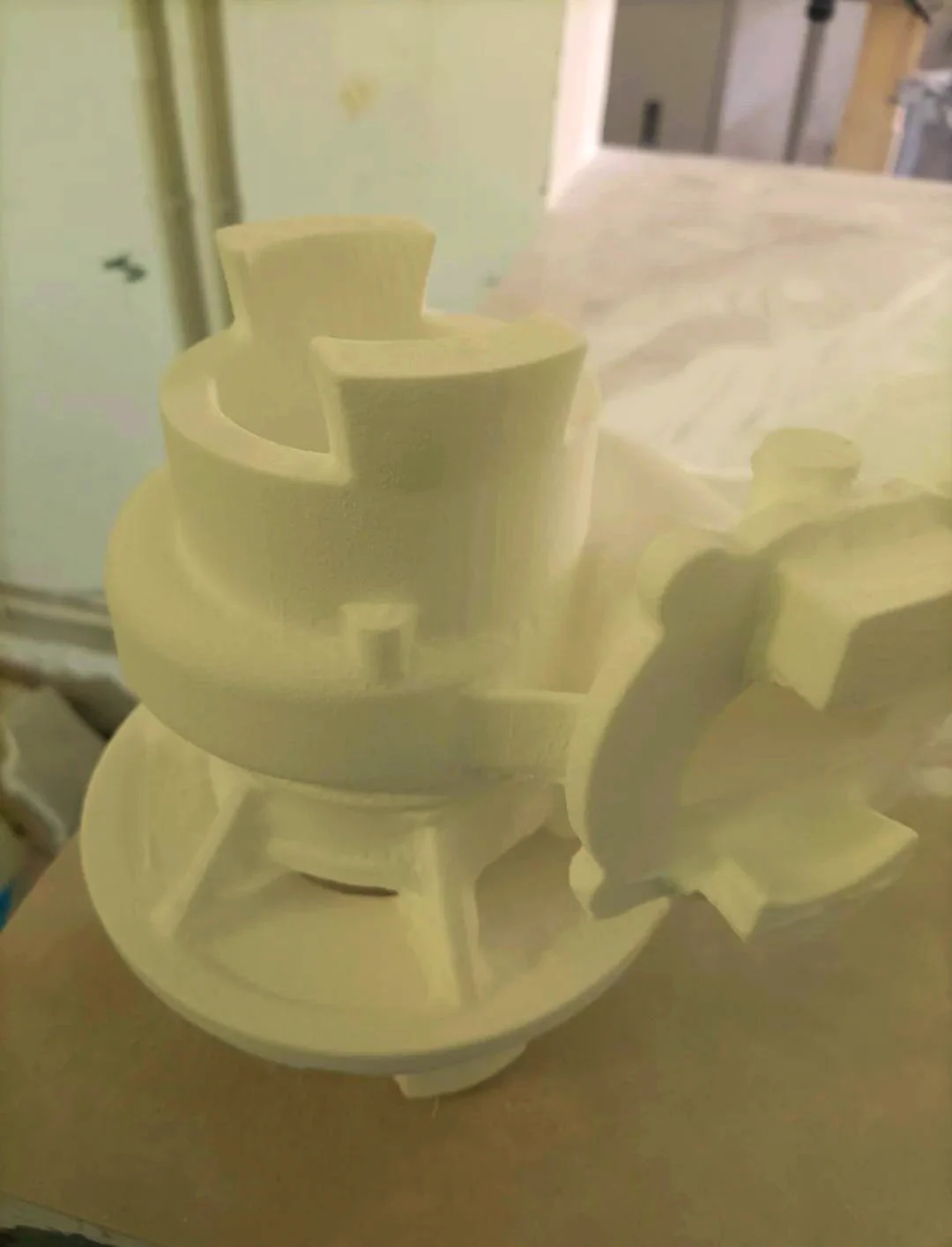
Prototype Sample Showcase
Direct SLA & 3D Printed Wax Pattern Tree Assembled for Rapid Investment Casting
Upload Prototype Drawings to Get a 24-Hour Rapid Prototyping Quote
Submit your 3D CAD files for an immediate engineering DFM evaluation and competitive quotation.
Full Lifecycle Manufacturing Continuity
VastCasting provides full life-cycle delivery services from 3D printed wax pattern rapid prototyping to mass production of high-precision molds and automated foundry runs.
Turbine Blade Mold Design & Valve Body Casting Simulation Applications
VastCasting integrates advanced CAD tooling engineering and finite element analysis (FEA) to master high-complexity metal casting challenges across our full range of products. By combining optimized thin-wall casting layout strategies for superalloy turbine components with precision thermal solidification modeling for pressure-tight valve bodies, our engineering team eliminates internal porosity and structural cracking before tooling fabrication begins.
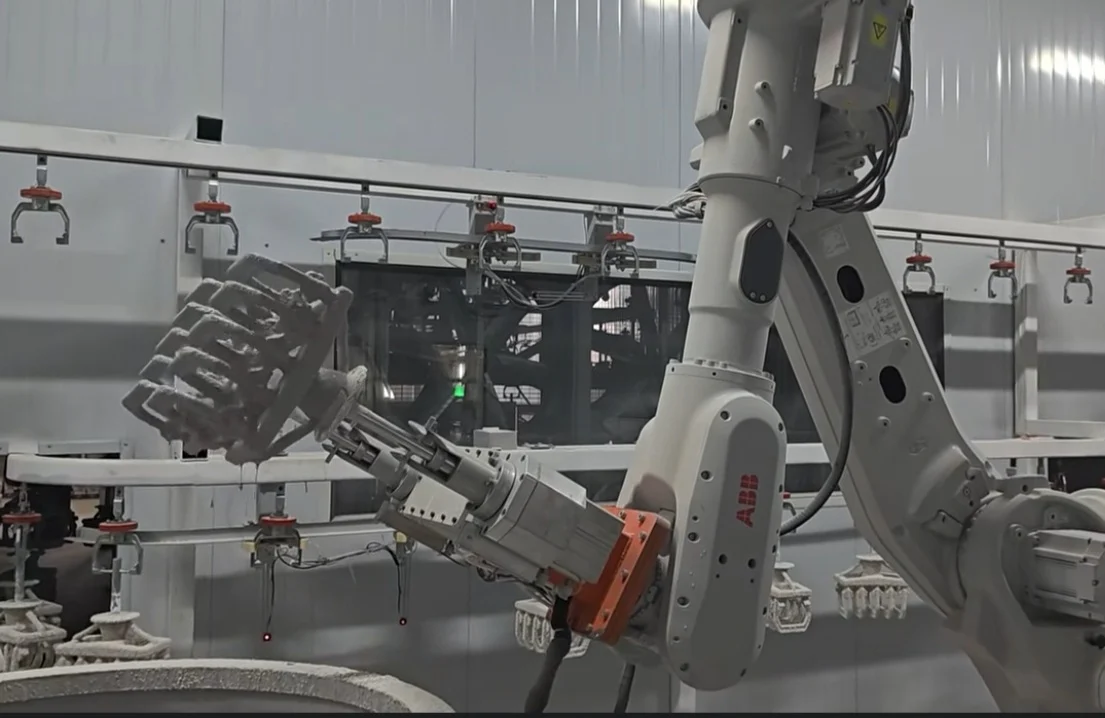
Superalloy Energy Hot-End Component Simulation
Investment casting for nickel- and cobalt-based Turbine Blades and Vanes requires precise thermal regulation during metal pouring. Ultra-thin airfoil profiles frequently suffer from misruns, micro-porosity, and erratic grain boundary growth. VastCasting utilizes multi-physics turbine blade mold design software to simulate mold filling velocity, cooling rates, and ceramic core thermal stresses under production conditions.
Engineering Optimization Highlights- Thin-Wall Filling Control: Implements optimized gating layouts to eliminate cold shuts across 1.0 mm trailing edge profiles.
- Grain Structure Management: Regulates directional thermal gradients to prevent stray equiaxed grains in high-temp superalloys.
- Ceramic Core Integrity: Models mold filling pressure to prevent internal core shift or fracture during metal impact.
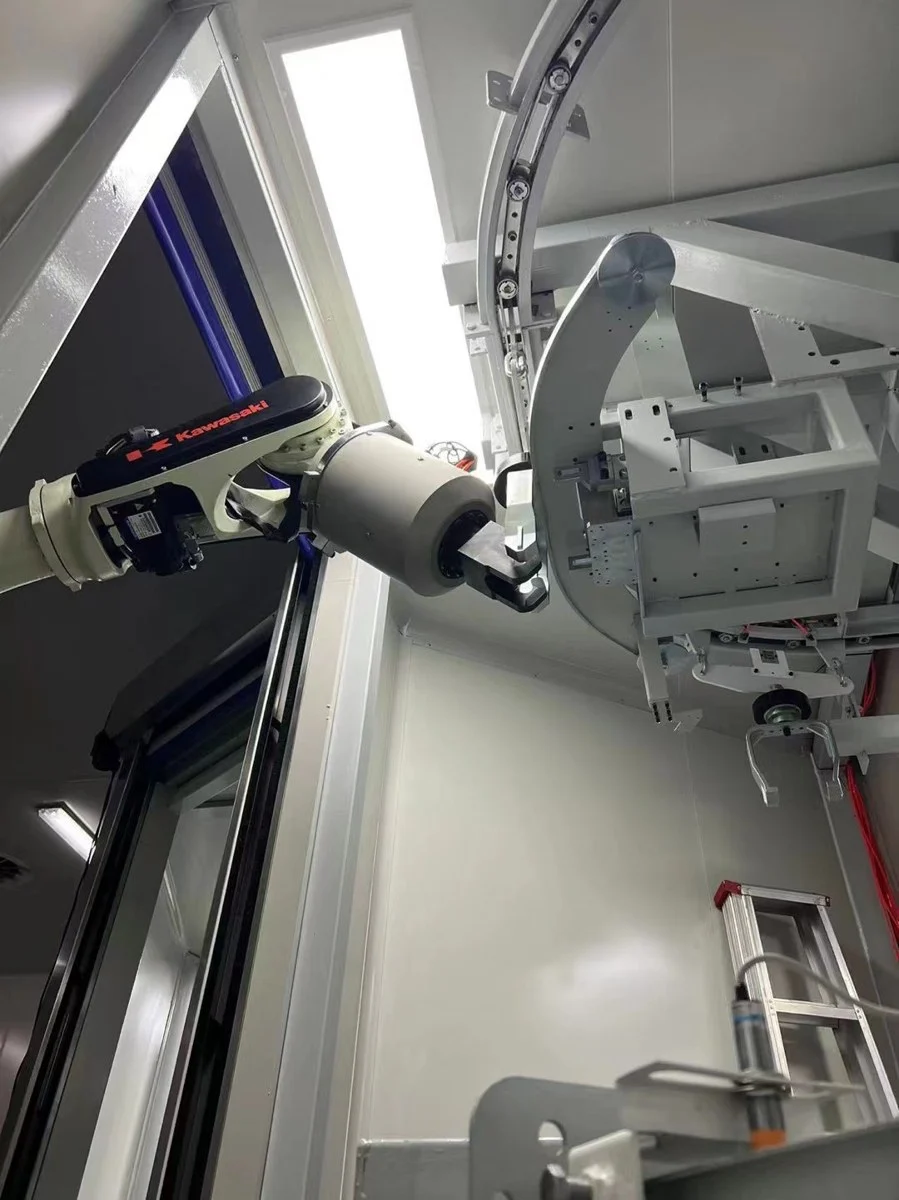
Pressure-Tight Fluid Valve Casting Solutions
Industrial high-performance stainless steel castings including Valve Bodies and Fittings operating under severe hydrostatic pressures demand complete internal density. Interconnecting shrinkage pores cause catastrophic leakages during hydro-testing. VastCasting applies rigorous valve body casting simulation to optimize riser size and feeding paths, ensuring defect-free pressure-tight casting across thick-to-thin wall junctions.
Engineering Optimization Highlights- Hot-Spot Pinpointing: Accurately predicts shrinkage cavity risks at internal flange intersections prior to tooling production.
- Riser Feeding Efficiency: Positions insulated risers and chills to maintain continuous liquid feed during alloy cooling.
- Pressure-Tight Shell Integrity: Guarantees zero pressure seepage under stringent ASTM hydro-test validation standards.
Defect Reduction Performance Comparison
Integrating CAE thermal simulation directly into wax die design shifts quality control from reactive trial-and-error to pre-casting digital prevention. Explore our real-world project achievements in our Customer Project Cases to see documented defect reduction performance metrics.
| Production Parameter | Traditional Trial & Error Method | VastCasting Digital Simulation Method | Performance Improvement |
|---|---|---|---|
| First Article Qualification Rate | 45% to 60% Yield | 95% or Higher | +35% to +50% First-Pass Yield |
| Internal Shrinkage Porosity Defect Rate | 8% to 15% Scrap Rate | Under 0.5% | 95%+ Porosity Defect Reduction |
| Average Mold Modification Iterations | 3 to 5 Physical Recuts | 0 to 1 Verification Cut | 75% Tooling Modification Cost Savings |
| New Product Sampling Lead Time | 8 to 12 Weeks | 3 to 5 Weeks | 40% Faster Market Acceleration |
| Hydrostatic Pressure Test Pass Rate | 88% to 92% Compliance | 99.8% Pass Rate | Near-Zero Hydrostatic Leak Failure |
Sub-Product Applications & In-House Tooling Capabilities
Whether you require thin-walled superalloy blades for gas turbines or heavy-duty components for petrochemical equipment parts and severe-service fluid pipelines, VastCasting resolves casting defects at the source. Our unified engineering team seamlessly connects digital simulation with investment casting and precision CNC machining under one roof.
Design for Manufacturability Evaluation and Engineering Workflow
Successful stainless steel castings rely on rigorous engineering verification before cutting steel tooling. VastCasting delivers structured design for manufacturability evaluation to identify shrinkage risks, optimize gating systems, and establish reliable machining baselines. By auditing every 3D model against proven foundry engineering practices, our team eliminates expensive mold re-works and guarantees smooth production scaling.
Our unified engineering team conducts complete casting DFM consulting under one roof, integrating mold design simulation directly with wax pattern creation and post-cast machining. This single-source responsibility guarantees complete technical accountability from initial drawing intake to final component delivery.
Step 1 STEP/IGES CAD Submission & RFQ Analysis
Clients submit STEP or IGES files alongside alloy specifications, dimensional tolerances, and annual volume requirements for initial review.
- · Geometry intake and tolerance feasibility audit
- · Alloy shrink rate and melt spec verification
- · Primary manufacturing risk identification
Step 2 Design for Manufacturability Assessment
Engineers evaluate wall thickness uniformity, parting line selection, draft angles, and reserve optimal CNC machining allowances.
- · Draft angle and deep cavity analysis
- · Uniform wall transition recommendations
- · Machining datum placement and fixture setup
Step 3 Mold Flow Simulation & Risk Mitigation
CAE thermal and fluid modeling identifies air entrapment, turbulence, and shrinkage porosity prior to physical tooling fabrication.
- · Filling velocity and thermal gradient modeling
- · Hot spot and porosity forecasting
- · Formal risk prevention report delivery
Step 4 Tooling Fabrication & Pattern Verification
Precision metal dies are built or rapid 3D printed wax/resin patterns are produced for immediate prototype trial pouring and validation.
- · High-precision aluminum or steel die machining
- · Rapid 3D printed pattern prototype testing
- · First article casting dimensional check (FAI)
Step 5 Handover to Precision CNC Machining
Front-to-back synergy transfers approved raw blanks directly to our in-house Precision CNC Machining department.
- · Unified datum alignment throughout production
- · Zero subcontractor coordination delay or friction
- · Complete single-facility quality sign-off
Comprehensive Casting DFM Checklist
Our mold engineering process includes rigorous evaluation parameters designed to reduce waste, control piece weight, and ensure structural stability across complex investment components, such as high-integrity valve body fittings and specialized hardware.
| Evaluation Parameter | Engineering Objective | Quality Impact |
|---|---|---|
| Wall Thickness Uniformity | Prevent localized hot spots and shrinkage voids | Eliminates internal porosity and shrink defect risks |
| Draft Angle Optimization | Ensure smooth, distortion-free wax pattern ejection | Extends tooling lifespan and preserves surface finish |
| Gating and Riser Location | Provide continuous feeding during solidification | Ensures dense, pressure-tight cast components |
| Machining Allowance & Datums | Reserve optimal stock and align CNC datum targets | Minimizes tool wear and shortens CNC cycle times |
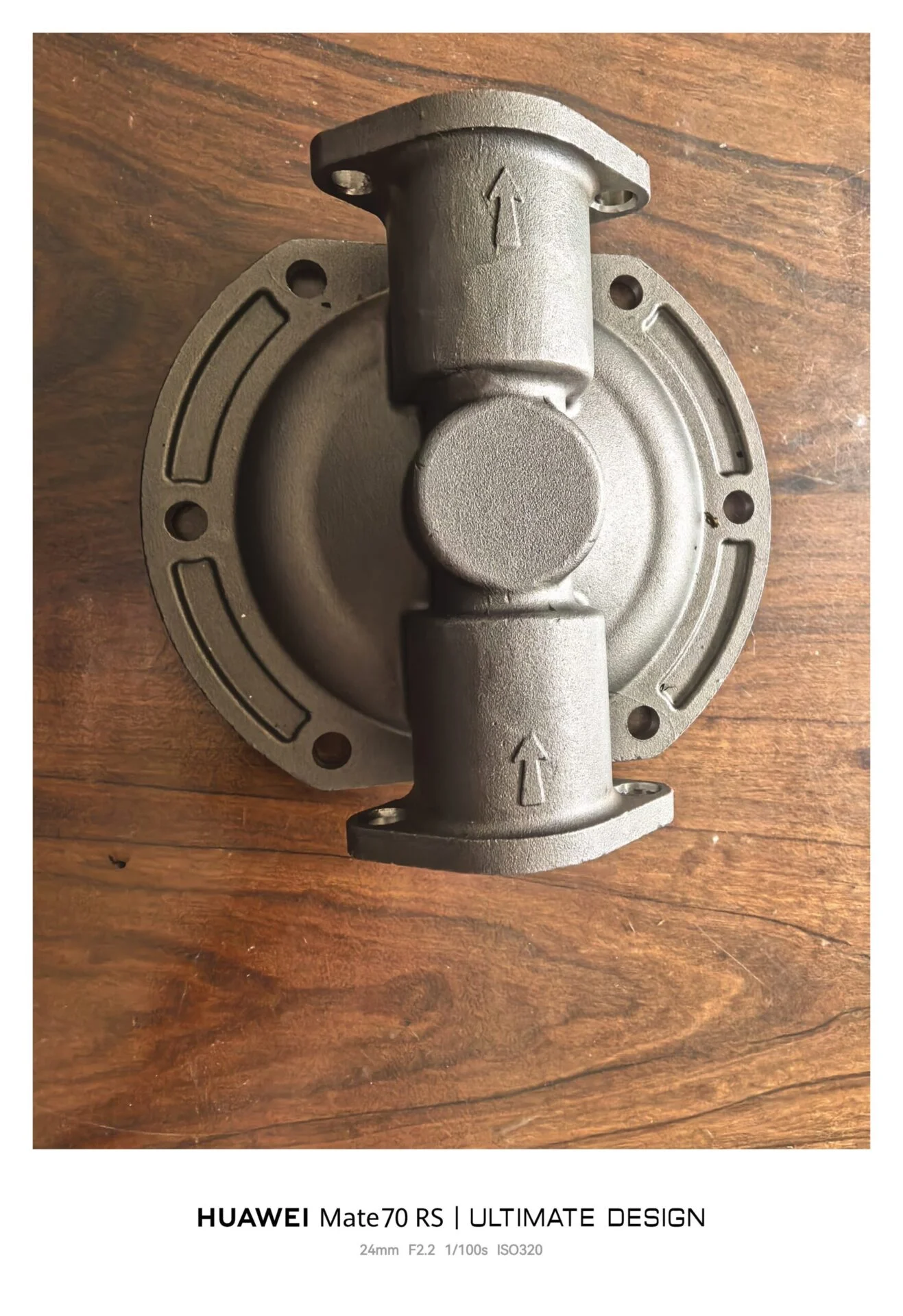
VastCasting integrates computer-aided engineering simulation with precision tooling design to guarantee defect-free production.
Single-Source Engineering Accountability: Eliminating Subcontractor Disputes
Many manufacturing procurement projects suffer from communication breakdowns between mold making shops, investment casting foundries, and third-party CNC machining vendors. When dimensions drift or internal defects appear during final machining, unaligned suppliers often point fingers, causing costly delays, scraped parts, and disputed liabilities.
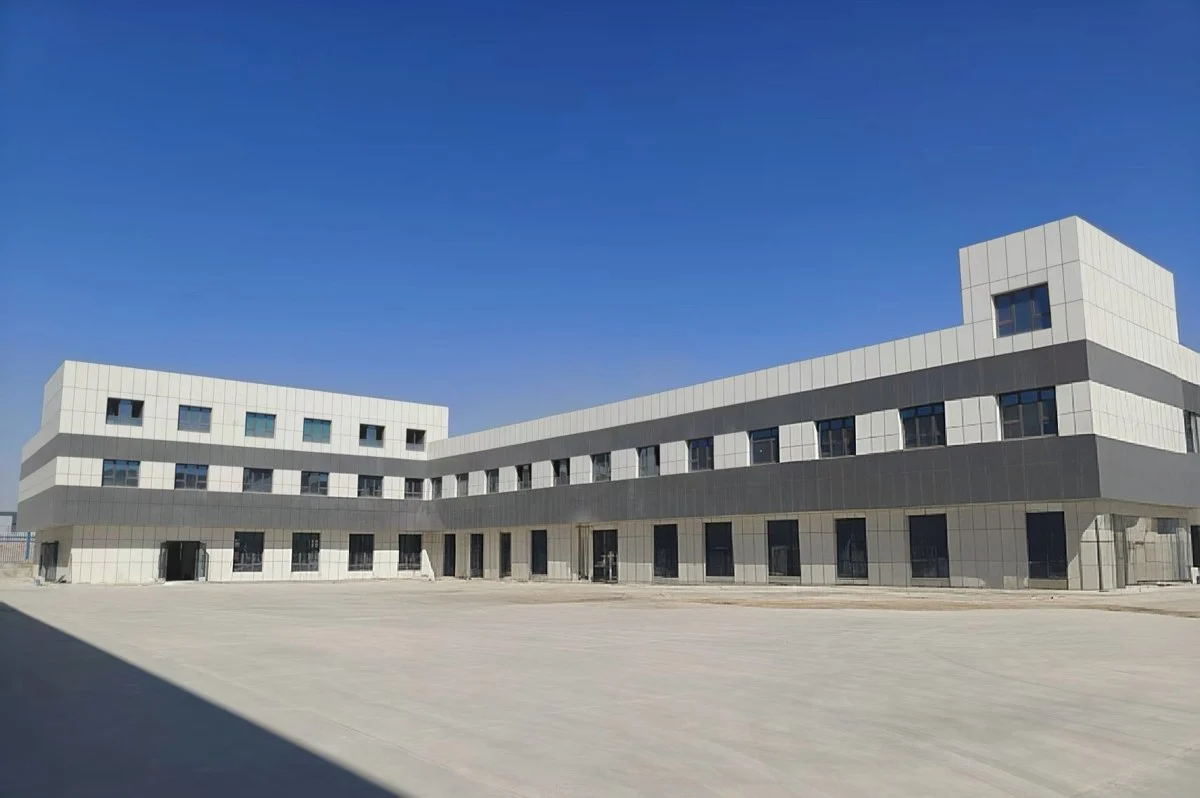
VastCasting completely eliminates these inter-vendor disputes by unifying every stage of production under one roof in our state-of-the-art facility. Our engineering team oversees design for manufacturability evaluation, mold flow simulation, wax pattern injection, ceramic shell casting, and high-precision CNC machining within a single ISO-certified quality management system, providing high-reliability solutions including advanced superalloy high temp castings for demanding thermal environments.
By running digital mold design simulation before pouring metal, potential casting defects are addressed during CAD refinement rather than on the shop floor.
Machining datum targets are established during the initial DFM assessment, guaranteeing that cast blanks fit perfectly into CNC machining fixtures.
Eliminating external logistics and multi-vendor design approvals shortens overall tooling and initial production lead times by up to 40 percent.
Ready to Reduce Your Casting Scrap Rate?
Upload your 3D models now to receive a proprietary DFM and solidification report. Our technical team provides expert stainless steel castings simulation consultation to eliminate internal porosity, thermal deformation, and dimensional risks before tool cutting begins.
The VastCasting China factory is always ready to provide global OEM customers with cost-effective investment casting and CNC one-stop engineering services, including high-performance superalloy high temp castings.
Proprietary DFM Analysis
Receive actionable custom mold design quote details and optimized gating layouts.
Precision Manufacturing
A trusted precision casting manufacturer for mission-critical industrial components like valve body fittings.
Direct Contact Information
Upload Drawings & Get Quote
Submit CAD files for immediate engineering review