
Turnkey Duplex Stainless Steel Pressure Reducing Valve Bodies
VastCasting provides global valve OEMs with single-source turnkey solutions from duplex stainless steel valve body fittings to precision CNC machining. We deliver high-integrity 2205 and 2507 duplex pressure reducing valve body castings engineered for high-pressure, severe-corrosion fluid systems.
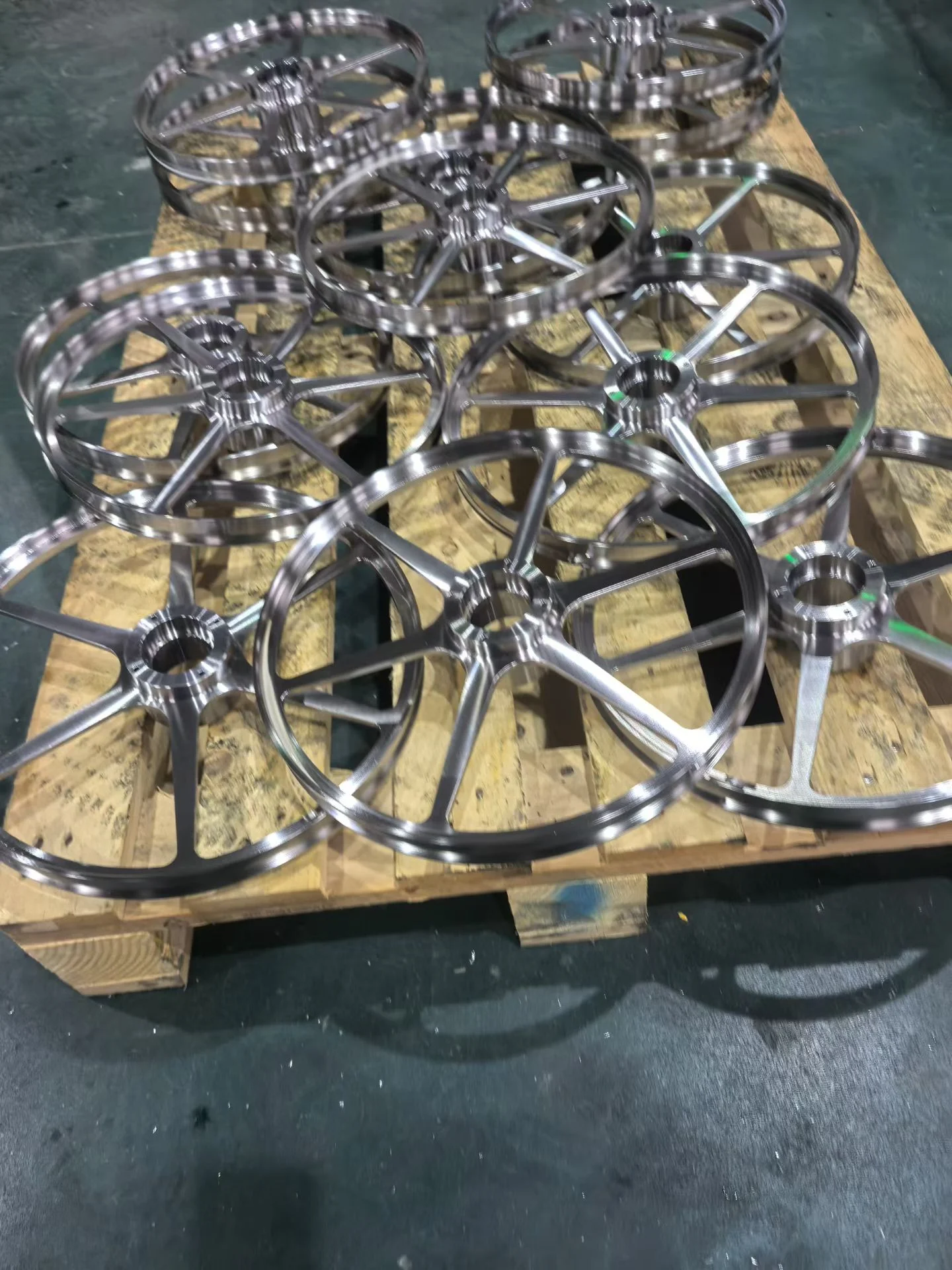
Ferrite Phase Control
Precision metallographic phase balance in 2205/2507 duplex stainless steel.
CNC Sealing Surface
High-precision machining guarantees flawless sealing face integrity and zero leak rates.
PMI & NDT Pass Rate
Comprehensive positive material identification and non-destructive testing verification.
Lead Time Reduction
Streamlined turnkey casting-to-machining workflow accelerates project schedules.
Project Overview & Technical Specifications
Engineered for severe fluid control environments, replacing heavy forged structures with high-precision 2205 and 2507 duplex valve body investment castings. Explore our comprehensive range of products for severe-duty applications.
Severe fluid regulation environments in offshore oil platforms, chemical processing plants, and seawater desalination facilities require components with exceptional mechanical toughness and pitting corrosion resistance. In this critical duplex stainless steel valve project, VastCasting partnered with global fluid control OEMs to design and manufacture turnkey pressure-reducing valve bodies engineered for long-term service under continuous cyclic pressure.
By transitioning from costly, heavy forgings to silica sol precision investment casting, the valve design achieved a 22% overall weight reduction while optimizing internal flow passages. This casting process eliminates internal shrinkage defects and produces smooth internal flow cavities that minimize flow turbulence, pressure drops, and cavitation erosion across our specialized stainless steel castings lineup.
Rigorous Chemistry Control and Metallurgy
Achieving maximum structural integrity and localized corrosion resistance requires strict chemistry control during electric induction melting. For 2205 valve body precision casting, maintaining a balanced 50/50 austenite-ferrite phase balance is critical to prevent intermetallic phase precipitation. VastCasting utilizes real-time optical emission spectrometry (OES) to strictly measure chromium, molybdenum, nickel, and nitrogen levels prior to pouring.
- PREN ≥ 34 (2205) / PREN ≥ 42 (2507)
- High-purity silica sol investment shell mold
- Integrated casting & multi-axis CNC machining
- 100% material heat analysis & trace reports
Single-Facility Production Eliminates Subcontracting Risks
Splitting raw casting and final CNC machining across different vendors frequently causes dimensional tolerance disputes, sealing surface leaks, and unexpected delivery delays. VastCasting manages the entire manufacturing workflow—from pattern creation and metallurgical casting to multi-axis CNC finishing and hydrostatic pressure testing—under one roof, guaranteeing single-source accountability and batch-to-batch consistency.
Related Valve Castings & Custom Components
Duplex Stainless Steel Pressure Reducing Valve Body
Stainless Steel Air Vent Valve Body
Control Valve Bodies and Valve Fittings
Key Specifications
Project Parameter Matrix
Technical Datasheet
Duplex Valve Body PDF Spec Sheet
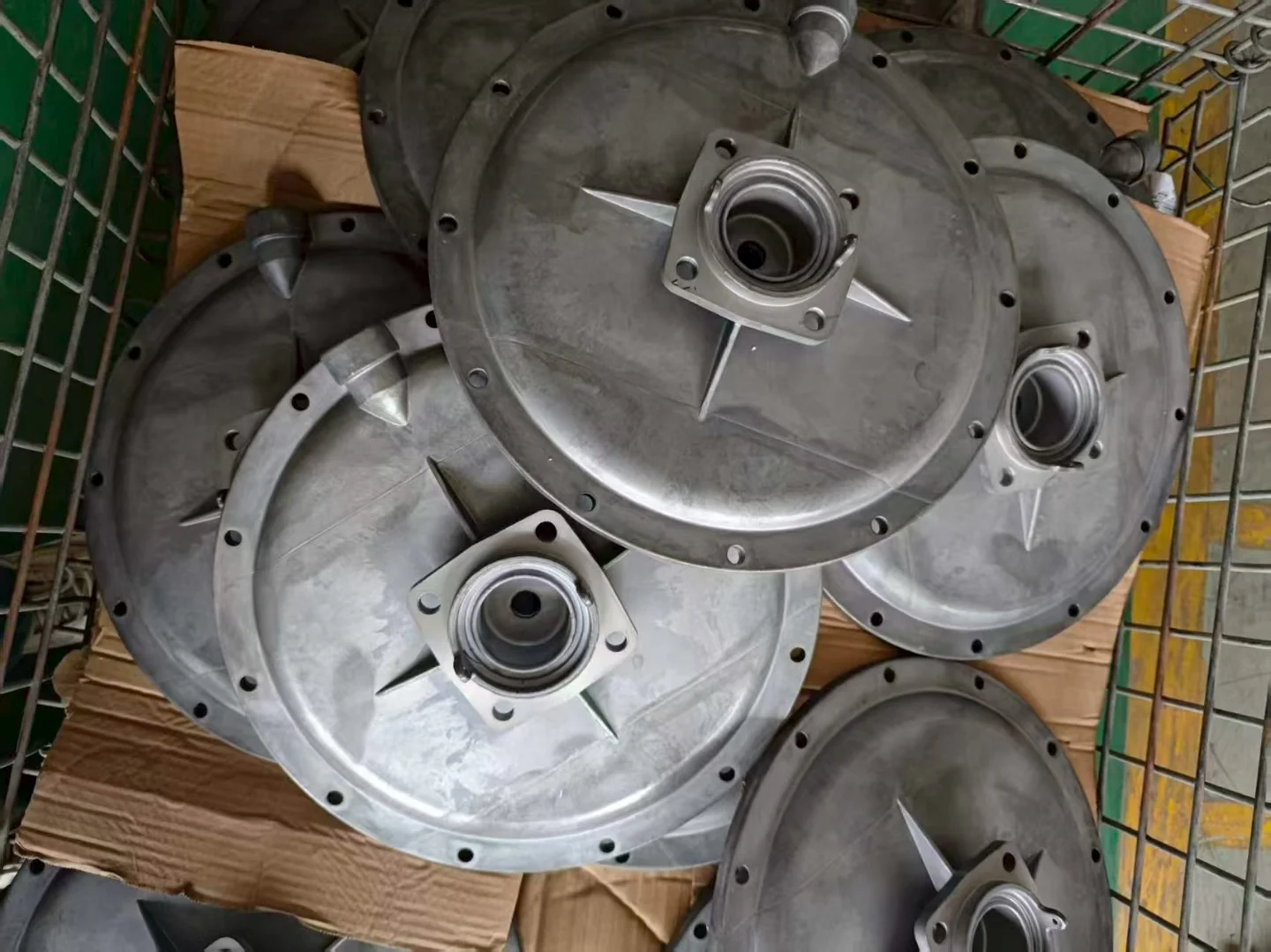
Precision Manufacturing and Technical Execution
Manufacturing duplex pressure reducing valve bodies requires uncompromising precision across metallurgy, thermal processing, and metal cutting. VastCasting controls the complete duplex investment casting process and sealing face CNC machining under one roof, eliminating cross-vendor handoff errors and ensuring flawless pressure containment for high-precision valve-body-fittings.
 01
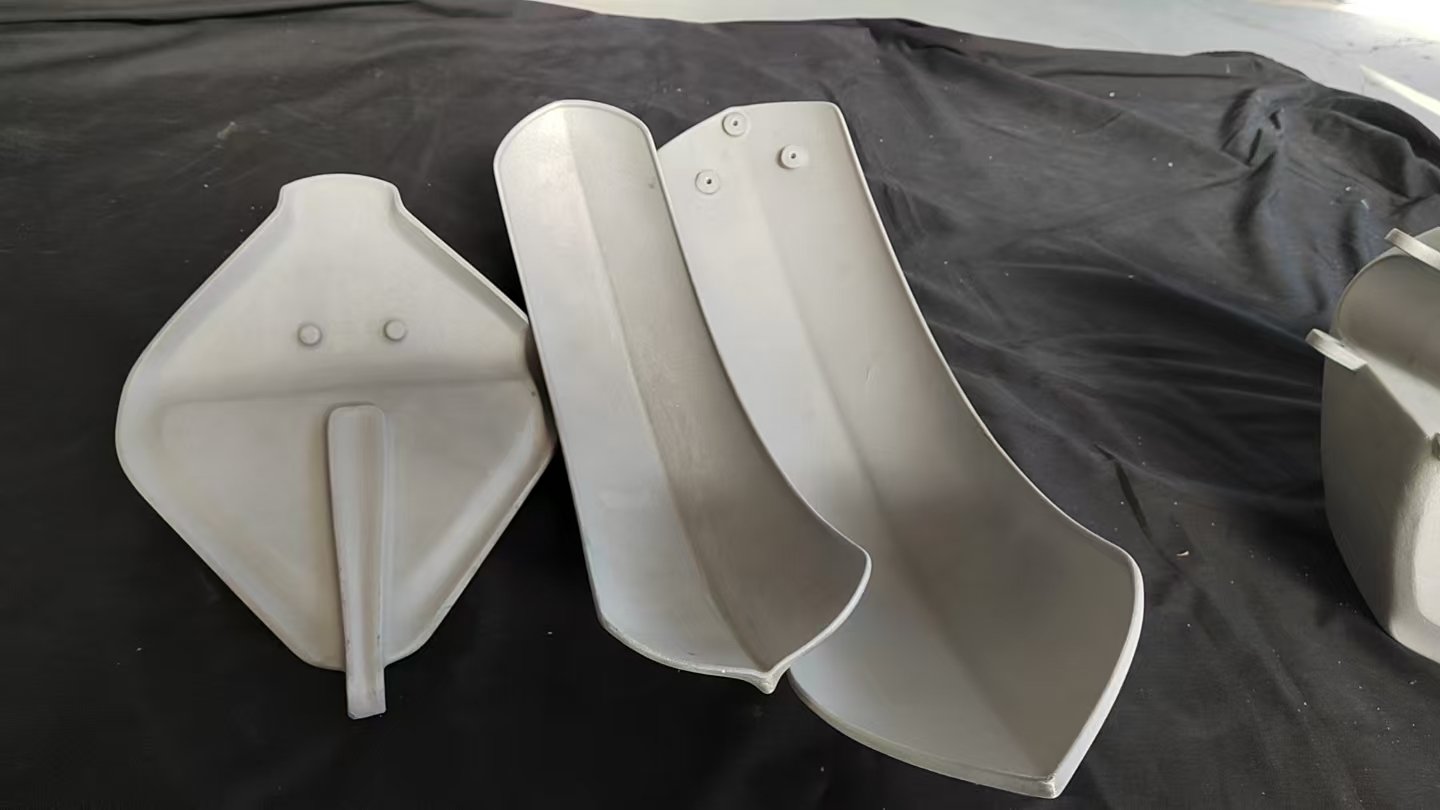
01 Chemical Composition & Phase Balance Heat Treatment
Achieving the target 40–50% ferrite-austenite phase balance in Duplex 2205 and Super Duplex 2507 valve bodies starts in the melt shop. VastCasting utilizes optical emission spectrometry (OES) to monitor and adjust key alloying elements prior to pouring.
- Strict carbon limitation (≤ 0.03%) prevents carbide precipitation at grain boundaries, safeguarding against intergranular corrosion in high-pressure fluid service.
- Controlled nitrogen additions (0.14–0.20%) promote austenite formation during cooling and enhance the overall Pitting Resistance Equivalent Number (PREN).
- Phase balance heat treatment (1040–1100 °C) followed by high-velocity water quenching dissolves harmful sigma phases and stabilizes the dual-phase matrix.
- Metallographic cross-sectioning and Ferritescope testing verify microstructural compliance across every casting lot.
This rigorous phase balance heat treatment protocol guarantees that each duplex pressure reducing valve body delivers optimal pitting corrosion resistance and mechanical yield strength in harsh marine or chemical environments.
 02
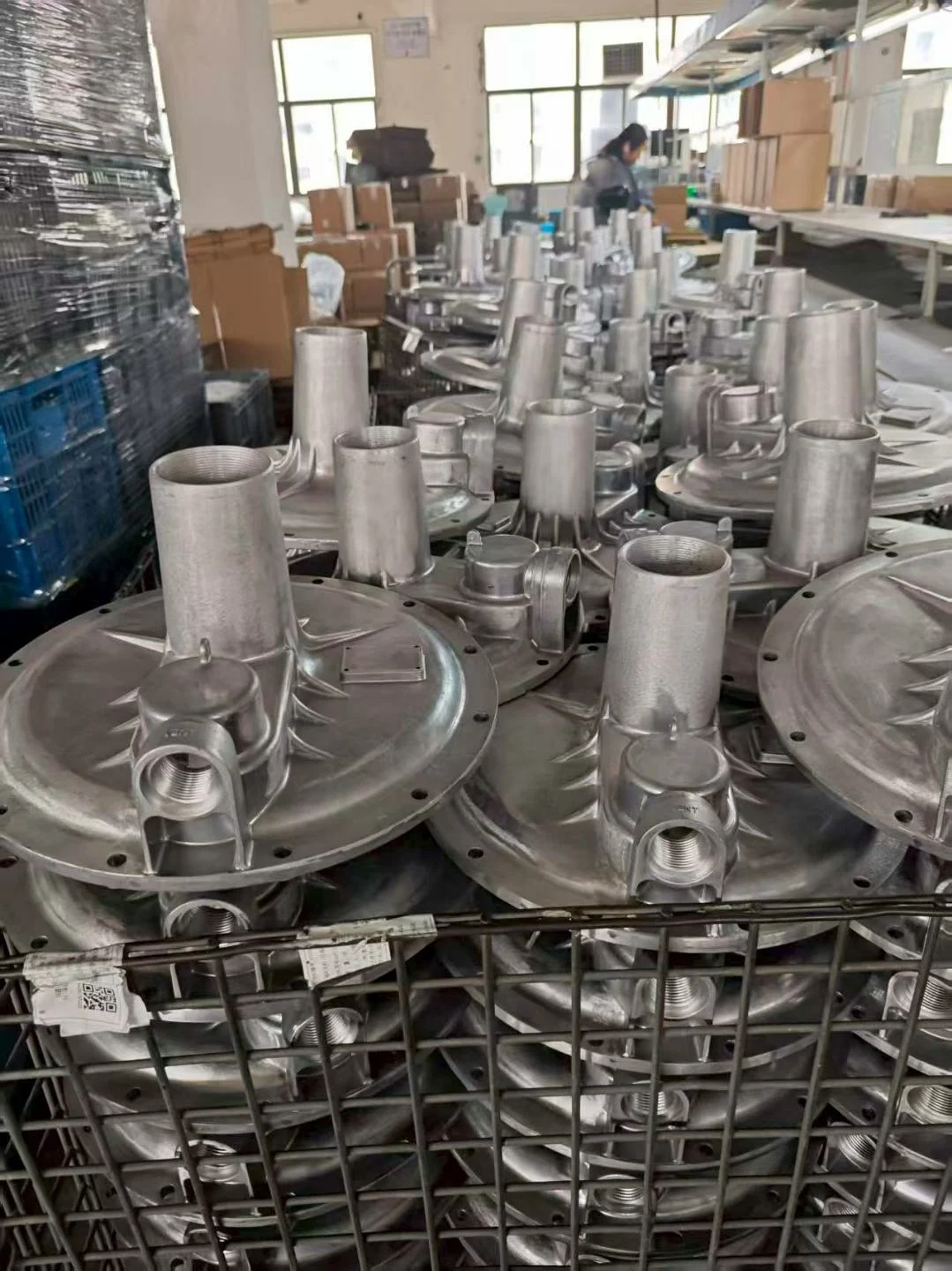
02 Sealing Face CNC Machining to Zero-Defect Standards
The valve seat and flange sealing surfaces dictate the zero-leakage capability of a pressure reducing valve. To master the work-hardening characteristics of duplex alloys, VastCasting employs advanced sealing face CNC machining strategies backed by customized rigid tooling.
- Dedicated hydraulic fixture engineering locks complex valve body geometry, eliminating chatter and micro-vibrations during heavy cuts.
- Ultra-smooth surface finish (Ra ≤ 0.8 µm) achieved on all critical seating faces, measured via surface roughness profilometers.
- Tight geometric tolerances (±0.01 mm) maintained on flatness, concentricity, and perpendicularity, fully validated by 3D CMM inspection.
- Optimized tooling geometries and cutting speeds prevent surface strain hardening and tool wear, preserving material integrity.
By combining high-rigidity CNC machining centers with meticulous tool path programming, VastCasting guarantees seamless assembly and long-term bubble-tight sealing for OEMs worldwide.
 03
03 Single-Facility Casting & Precision CNC Machining
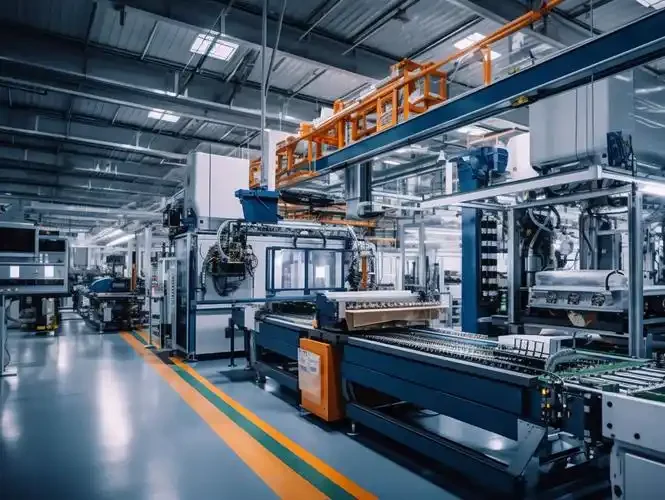
Sourcing cast blanks from one vendor and finishing them with another often leads to tolerance disputes, delayed production, and unassigned scrap costs. VastCasting operates a seamlessly integrated duplex investment casting process and machining operation within one single manufacturing facility.
- Cross-functional DFM engineering aligns foundry tooling allowances directly with CNC datum schemes prior to production, preventing costly re-tooling.
- Scrap rates reduced by over 20% through early inline detection of subsurface indications before finishing operations begin.
- End-to-end quality control providing 100% material traceability from raw chemical charge to final CMM dimension reports.
- Comprehensive alloy expertise spanning 304, 316, 316L, 2205 Duplex, and 2507 Super Duplex stainless-steel-castings.
This turn-key approach simplifies global supply chain logistics, drastically reduces lead times, and guarantees single-point accountability for every valve component we deliver.
Duplex Investment Casting Process — Key Quality Control Points
| Process Stage | Key Parameter | Control Method | Acceptance Criterion |
|---|---|---|---|
| Melt Chemistry Control | C, N, Cr, Mo, Ni stoichiometric ratios | Optical Emission Spectrometry (OES) | ASTM A890 / EN 10283 specification limits |
| Solution Heat Treatment | Soaking temperature, dwell time, quench rate | Calibrated digital furnace + thermocouple logs | 1040–1100 °C, rapid water quench (< 30s) |
| Phase Balance Verification | Ferrite / Austenite phase volumetric ratio | Metallographic cross-sectioning & Ferritescope | 40–50% ferrite ratio (zero harmful phases) |
| Sealing Face CNC Machining | Surface finish roughness, face parallelism | 5-axis CNC machining + contact profilometer | Ra ≤ 0.8 µm; flatness within ±0.01 mm |
| Dimensional Audit | Critical geometric tolerances & bore alignment | Automated CMM multi-axis measurement | Strict adherence to customer DWG specifications |
Why Single-Source Duplex Casting & Machining Matters
Duplex stainless steel leaves no room for processing errors. High yield strength, rapid work-hardening, and sensitivity to phase precipitation demand controlled heat histories and rigid machining protocols. A single process gap — whether an improper solution annealing temperature or an unoptimized CNC tool path — can result in premature intergranular corrosion or micro-leakage at high working pressures.
VastCasting integrates the complete duplex investment casting process with advanced CNC finishing under one roof. Driven by unified engineering teams and stringent quality control, we ensure every pressure reducing valve body performs reliably from prototype to high-volume production, serving critical applications in offshore and petrochemical-equipment-parts.
Comprehensive Valve Body NDT Inspection & Quality Control
At VastCasting, every duplex stainless steel pressure reducing valve body undergoes multi-tier chemical, mechanical, and non-destructive evaluations. Equipped with in-house optical emission spectrometers and high-precision coordinate measuring machines (CMM), our dedicated testing facility enforces stringent duplex valve quality control standards across our full range of products to deliver zero-defect castings for extreme-pressure fluid applications.
Multi-Gateway Quality Control Protocol
Duplex pressure reducing valve castings demand strict chemical proportioning and metallurgical soundness to resist localized pitting and pressure envelope degradation. VastCasting implements rigorous valve body NDT inspection and PMI material testing across four core quality verification gateways for all custom stainless steel castings.
PMI Material Testing
Optical emission spectrometry and handheld XRF analyzers re-verify exact Chromium, Molybdenum, and Nickel levels, ensuring optimum austenite-ferrite phase balance.
100% Valve Body NDT Inspection
Comprehensive Radiographic (RT) and Ultrasonic (UT) testing detect internal shrinkage, micro-porosity, and inclusions within high-stress pressure boundaries.
CMM Dimensional Verification
Advanced 3D CMM systems inspect complex interior flow channels, seat sealing face flatness, and critical mounting flange tolerances against engineering CAD models.
Hydrostatic & Pneumatic Shell Testing
Pressure testing up to 1.5 times nominal rating validates structural integrity, casting density, and absolute seal reliability before final shipment.
Material Traceability & 3.1 Certification Compliance
Every production lot includes complete quality assurance records. We furnish certified EN 10204 3.1 Material Test Reports covering chemical heat analysis, ferrite percentage calculations, mechanical testing, and third-party NDT witness inspection reports.
- Unique heat number laser-marked or cast onto every valve body
- Permanent archive retention for solution heat treatment charts and NDT radiographs
- Third-party inspection support including SGS, TÜV, Lloyd's Register, and Bureau Veritas
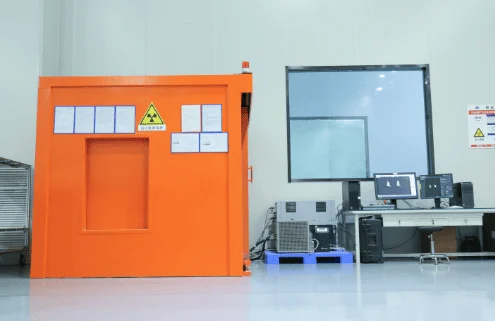
In-House Quality Control Laboratory
VastCasting integrates full laboratory testing equipment into the primary manufacturing workflow, ensuring real-time metallurgical verification for precision valve body fittings without outsourcing delays.
EN 10204 3.1 Inspection Certificate
Inspection Standards & Testing Matrix
To maintain uncompromised duplex valve quality control across high-pressure and corrosive fluid networks, VastCasting strictly operates under international testing specifications for both destructive and non-destructive inspection methods.
| Inspection Category | Testing Method | Governing Standard | Quality Objective |
|---|---|---|---|
| Chemical Verification | PMI Spectrometry Analysis | ASTM A890 / ASTM A995 | Verify Cr, Ni, Mo, N balance and prevent detrimental phase segregation |
| Internal Soundness | Radiographic & Ultrasonic Testing (NDT) | ASME B16.34 / ASTM E446 | Identify internal micro-porosity, shrinkages, and subsurface voids |
| Dimensional Accuracy | 3D CMM Inspection & Laser Scanning | ISO 8062 / ASME Y14.5 | Validate sealing face planarity, wall thickness, and flange hole alignment |
| Pressure Containment | Hydrostatic & Pneumatic Shell Test | API 598 / EN 12266-1 | Confirm pressure boundary strength and zero seat leakage at maximum pressure |
Quantified Results from Duplex Valve Body Batch Delivery
As a trusted valve casting OEM supplier and precision CNC machinist, VastCasting eliminates split-vendor friction to deliver fully certified, zero-defect fluid control components across our entire range of industrial products.
Turnkey Supply of High-Pressure Duplex Valve Bodies
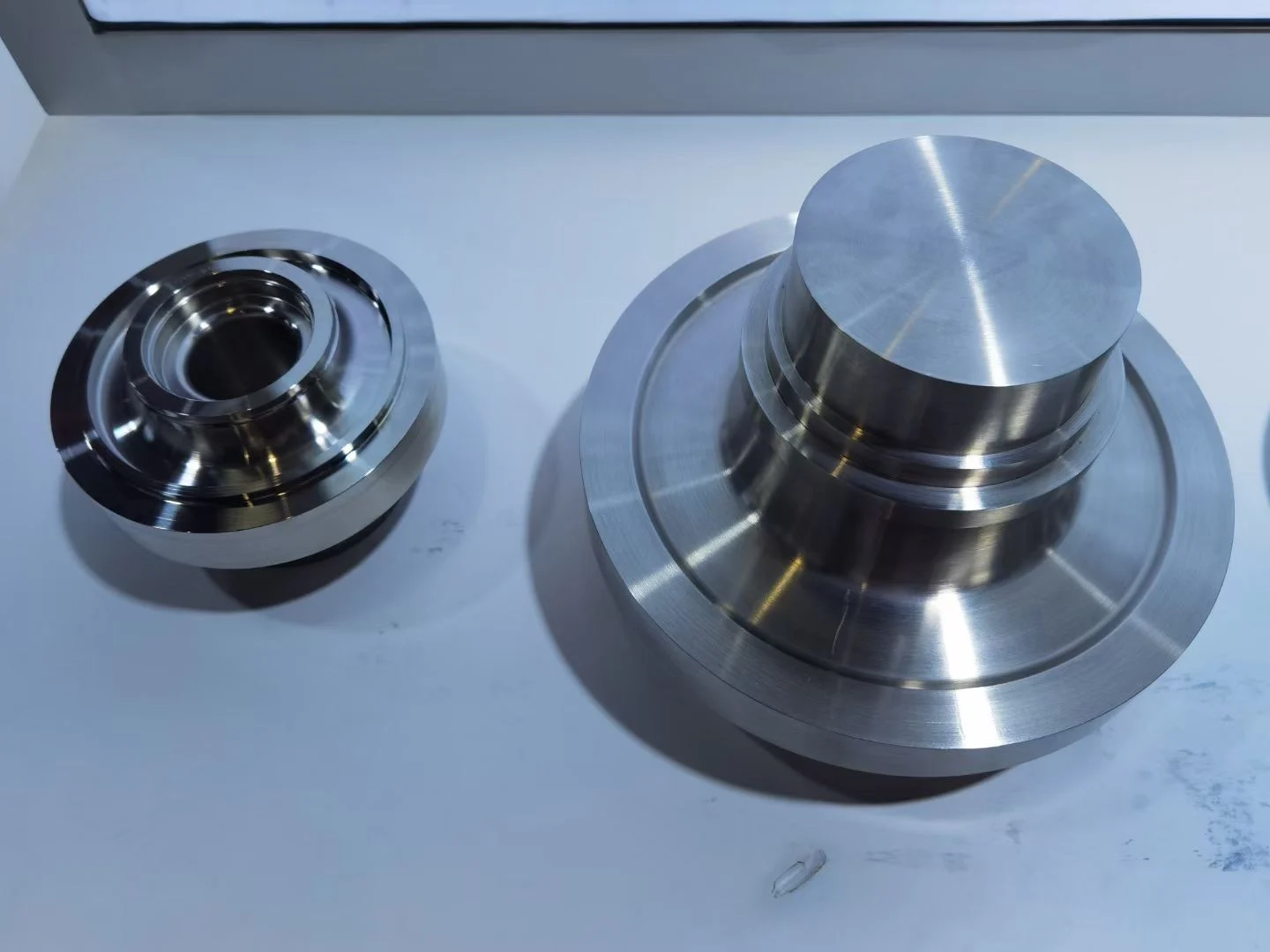
We completed on-time duplex valve body batch delivery for hundreds of pressure reducing valves. Executing investment casting, phase balance heat treatment, and precision CNC machining under one roof guaranteed zero leakage under rigorous hydrostatic pressure testing. Explore our specialized valve-body-fittings to see our full manufacturing capabilities.
Duplex 2205/2507 investment cast blanks & 5-axis CNC finished valve bodies.
100% hydro-tested for zero leakage under extreme operational fluid pressures.
Quantified Commercial Impact for OEM Buyers
Lower Procurement Cost
Eliminated double-margin markups, transport overhead, and scrap disputes inherent to split foundry-machining suppliers across high-grade stainless-steel-castings.
Faster Time-to-Market
Truncated sample-to-mass-production lead times by synchronizing tooling, foundry operations, and CNC finishing in-house.
First-Pass Assembly Yield
Maintained strict sealing face geometric tolerances, ensuring seamless plug-and-play assembly on client production lines.
— VastCasting Engineering Team
"Integrating duplex stainless casting with internal 5-axis CNC finishing allowed us to control phase balance and sealing tolerances simultaneously, eliminating multi-vendor defect disputes."
Request a Custom Valve Estimate
Partner with an experienced valve casting OEM supplier to optimize your next production run.
Duplex Valve Casting FAQ and Technical Specifications
Addressing critical engineering queries regarding custom pressure reducing valve body production, metallurgical phase balance control, precision CNC face machining, and non-destructive testing (NDT) compliance. Explore our broader range of products engineered for demanding industrial environments.
Q1 How do you prevent ferrite phase ratio imbalance during duplex stainless steel (such as 2205) precision casting?
Maintaining an optimal dual-phase microstructure—ideally targeted at 40% to 50% ferrite with balance austenite—is critical for preventing stress corrosion cracking, pitting, and premature failure in severe fluid control environments. At VastCasting, we implement a multi-stage metallurgical quality control protocol during 2205 and 2507 duplex stainless steel castings investment casting:
- Precision Chemical Composition Balance: Utilizing optical emission spectrometry (OES), we strictly control Chromium (Cr), Molybdenum (Mo), Nickel (Ni), and Nitrogen (N) equivalent ratios. Nitrogen levels are precisely managed to drive austenite reformation during solid-state cooling.
- Silica Sol Investment Mold Optimization: Our automated silica sol casting process guarantees uniform thermal dissipation across thin and thick wall transitions, preventing premature intermetallic phase precipitation prior to heat treatment.
- Solution Annealing & Rapid Water Quenching: Cast components undergo high-temperature solution heat treatment between 1040°C and 1120°C (1900°F–2050°F) followed by immediate high-volume water quenching. This dissolves brittle sigma phases and locks in the balanced 40–50% ferrite ratio.
Q2 Can VastCasting directly supply fully CNC machined valve body finished products?
Yes. VastCasting provides fully integrated, turn-key delivery. We supply complete, precision CNC-machined, pressure-tested, and assembly-ready custom pressure reducing valve body components, alongside other specialized valve body fittings, eliminating supply chain risk and multi-vendor quality disputes.
In-House Casting to CNC Continuity
Executing raw investment casting and downstream multi-axis CNC machining under one roof establishes single-source accountability for metallurgical soundness and final dimensional tolerance.
Dedicated Hydraulic Fixturing
Our tooling engineers design custom rigid hydraulic fixtures specifically tailored for complex, asymmetrical, or thin-walled valve bodies to prevent clamping strain and part distortion during machining.
By eliminating transit delays and multi-vendor logistical friction, our customers achieve up to a 25% reduction in total lead time along with measurable savings in overall procurement costs.
Q3 What standards can surface roughness and geometric tolerances reach for valve body sealing face machining?
Pressure reducing valve bodies require tight geometric tolerances and fine surface finishes on sealing faces and internal guide bores to guarantee bubble-tight performance under high differential pressures. Utilizing advanced 3-axis and 5-axis CNC machining centers, VastCasting routinely delivers the following precision standards:
| Machining Parameter | Standard Capability | High-Precision Capability |
|---|---|---|
| Sealing Surface Roughness (Ra) | Ra 0.8 µm (32 µin) | Ra 0.2 µm to 0.4 µm (8 to 16 µin) |
| Flange Flatness & Parallelism | 0.05 mm (0.002 in) | ≤ 0.015 mm (0.0006 in) |
| Bore & Guide Concentricity | 0.03 mm (0.0012 in) | ≤ 0.010 mm (0.0004 in) |
Critical geometric tolerances are verified in our climate-controlled metrology laboratory using multi-axis Coordinate Measuring Machines (CMM) and high-magnification optical profilometers.
Q4 What non-destructive testing (NDT) standards and certificate issuances are supported for this type of project?
To satisfy stringent global pressure vessel requirements and municipal specification codes, VastCasting performs rigorous quality assurance and verification for every manufacturing lot:
All shipments include standard EN 10204 3.1 Material Test Certificates. We routinely host third-party inspection (TPI) agencies—including SGS, TÜV, and Bureau Veritas—to issue EN 10204 3.2 certification when mandated by project specifications.
Still have technical questions? Contact our engineers.
Initiate Engineering Review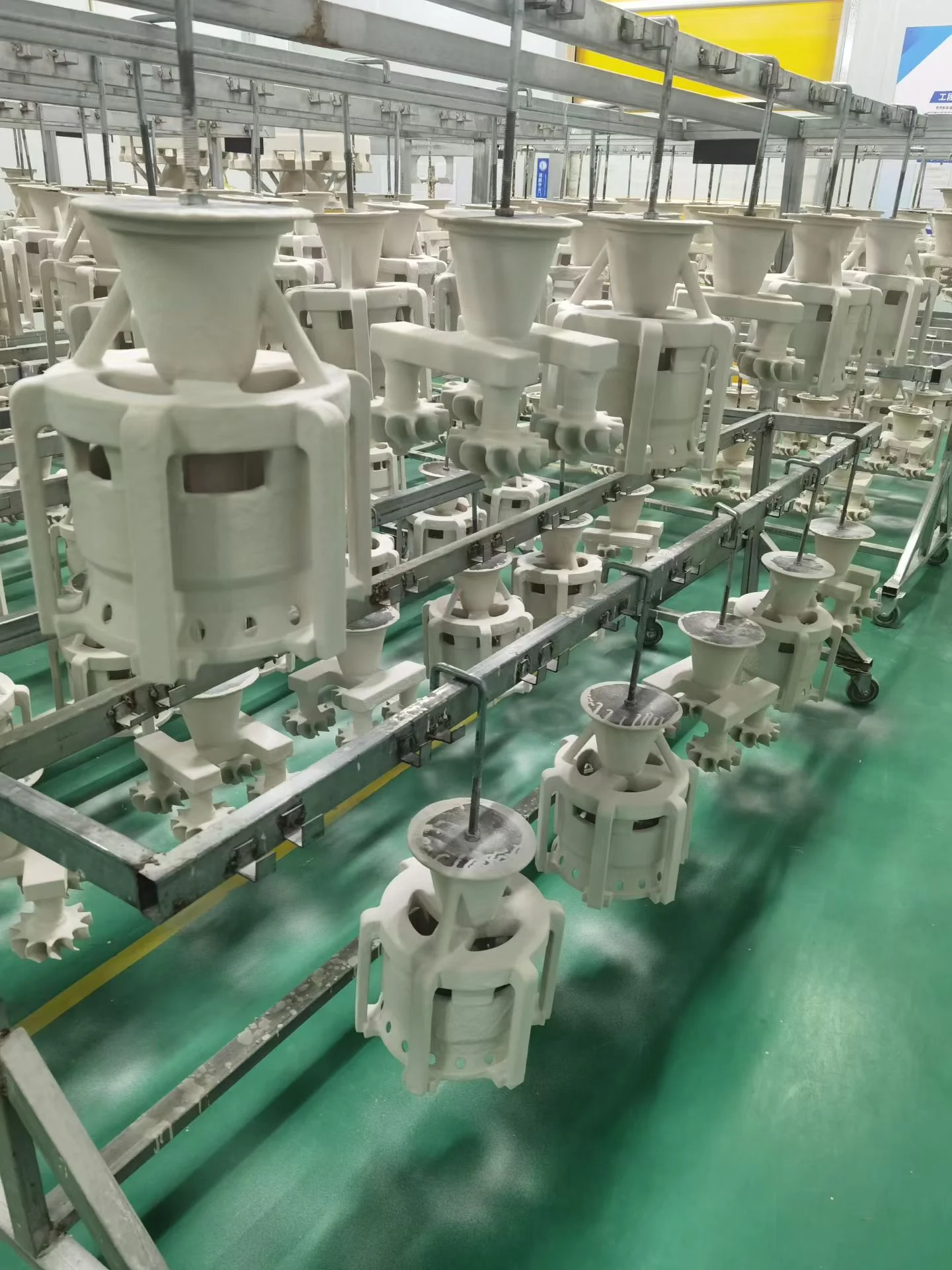
Pre-Production DFM Manufacturability Evaluation
VastCasting's engineering team provides comprehensive Design for Manufacturability (DFM) evaluations and answers for complex fluid components like pressure reducing and relief valves.
- Mold flow & solidification simulation
- Machining allowance & datum optimization
- Phase balance verification for 2205 / 2507
Supported Duplex Alloys
Ready to Start Your Custom Duplex Stainless Steel Valve Body Project?
Upload your STEP or DWG CAD files along with your technical specifications. Our investment casting and CNC machining engineers will deliver a thorough DFM review and a comprehensive custom stainless-steel-castings project quotation within 24 hours.
VastCasting delivers single-source, turnkey manufacturing—from silica sol investment cast blanks to fully machined, pressure-tested valve-body-fittings and components.