
Superalloy Turbine Blade Project: Investment Casting & 5-Axis Machining Case Study
VastCasting delivers turnkey manufacturing for critical hot section turbine components. We integrate precision vacuum investment casting with in-house 5-axis CNC machining to produce high-integrity Inconel and nickel-based superalloy blades engineered for power generation and thermal energy systems.
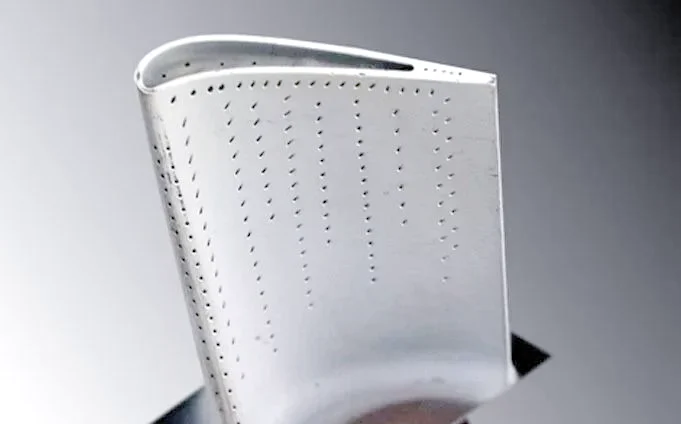
Precision Specifications for Superalloy Turbine Blade Projects
Engineering hot section turbine components requires absolute metallurgical purity and micro-dimensional precision. VastCasting delivers turnkey manufacturing solutions for high-stress turbine blades and guide vanes, integrating state-of-the-art vacuum investment casting with multi-axis CNC fir-tree root milling. Below are the verified technical parameters, material grade options, and dimensional tolerance standards established for critical aerospace superalloy high temp castings and power generation applications.
Technical Specification & Manufacturing Matrix
Guaranteed tolerances and compliance benchmarks for nickel-base superalloy components
| Parameter Category | Engineering Specification |
|---|---|
| Application Fields | Industrial Gas Turbines (IGT), Aerospace Hot Section Propulsion, Power Generation Equipment, Thermal Energy Recovery Turbines |
| Superalloy Material Grades | Inconel 713C, Inconel 738LC, Mar-M247, René 80, Hastelloy X (Polycrystalline & Directionally Solidified Nickel-Base Superalloys) |
| Primary Forming Process | Vacuum Investment Casting (VIM) integrated with high-precision, water-leachable silica and alumina ceramic cores for complex internal cooling channels |
| Dimensional Tolerances | Airfoil Contour: ±0.03 mm | Fir-Tree Root Pitch: ±0.005 mm | Cooling Duct Wall Thickness: ±0.10 mm |
| Post-Processing & Machining | 5-Axis CNC Fir-Tree Root Milling, Adaptive Airfoil Grinding, Caustic Ceramic Core Leaching, Vacuum Solution & Aging Heat Treatments |
| Surface Finish Standard | Cast Airfoil Surface: Ra 1.6–3.2 µm | CNC Machined Root Profile: Ra 0.4 µm |
| NDT & Quality Inspection | ASTM E1417 Fluorescent Penetrant Inspection (FPI), ASTM E192 X-ray Radiography, CMM 3D Optical Laser Mapping, Optical Emission Spectroscopy (OES) |
Quality Compliance Note: Every production lot undergoes full chemical verification via calibrated Optical Emission Spectrometers and high-temperature stress-rupture testing to verify mechanical integrity under extreme operational thermal loads exceeding 950°C.
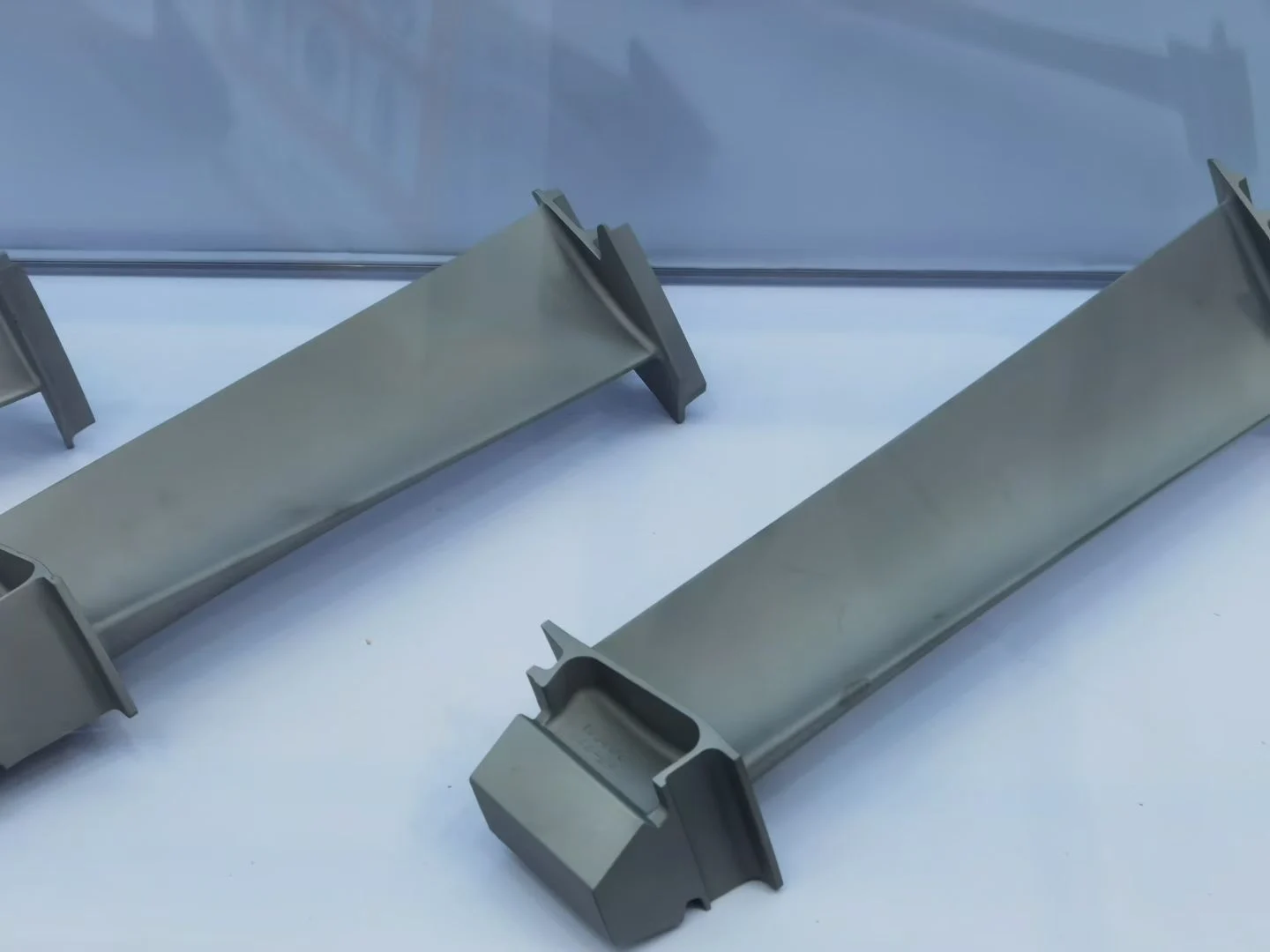
Metallographic Structure & Grain Density
VastCasting operates an in-house vacuum investment casting workshop equipped with advanced vacuum induction melting furnaces. This eliminates micro-porosity and oxide inclusions in nickel-base superalloys, ensuring uniform gamma-prime phase precipitation.
Rigid Chemical Composition Control
By executing both the initial vacuum investment casting and downstream 5-axis CNC machining under one roof, VastCasting guarantees total traceability from raw ingot composition to finished fir-tree root dimensions.
- Sub-ppm control over low-melting point tramp elements (Pb, Bi, Te)
- 100% CMM 3D point-cloud inspection against customer native STEP/IGES models
- Full compliance with ASTM E1417 (FPI) and ASTM E192 (Radiographic Level I/II)
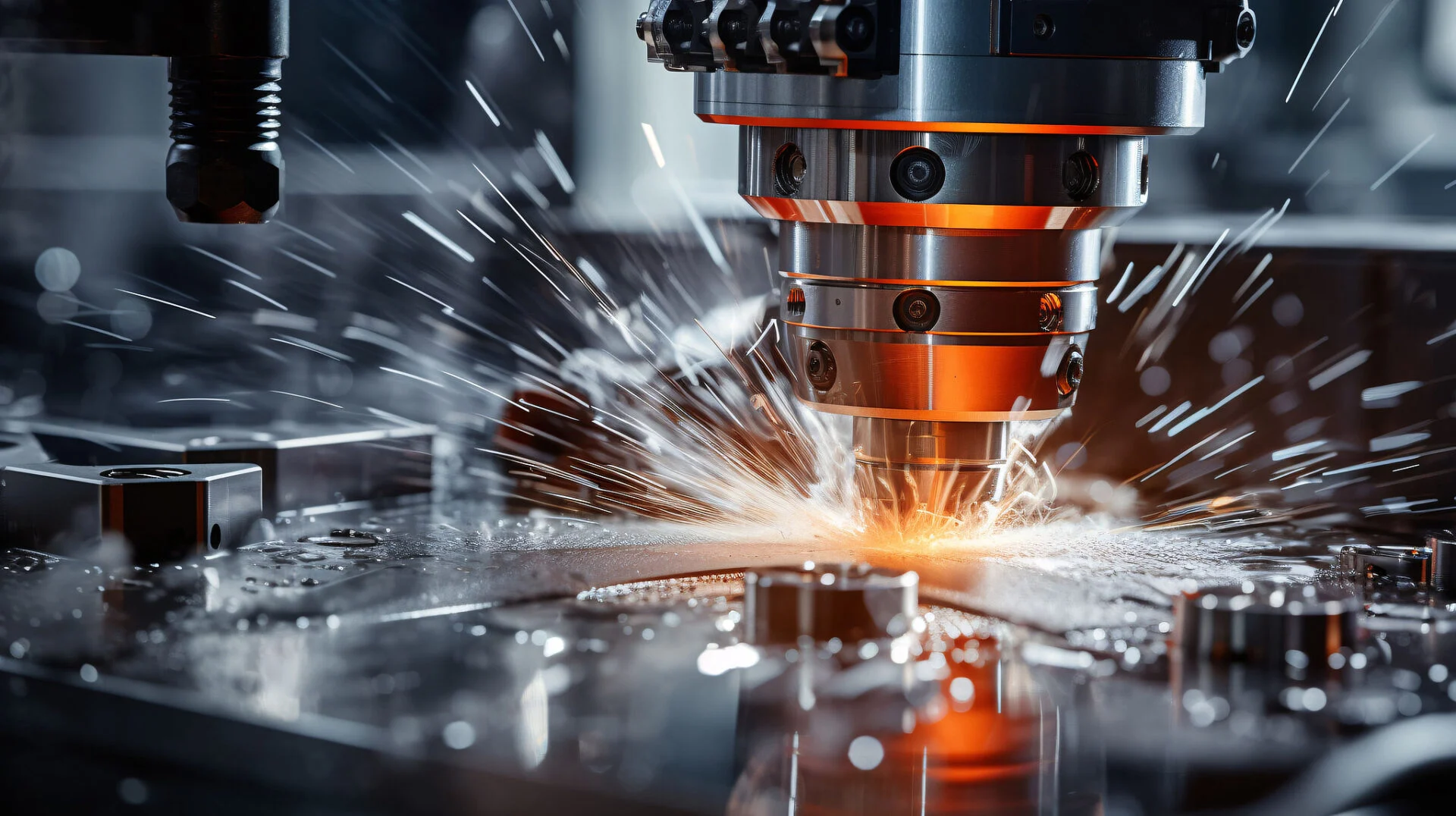
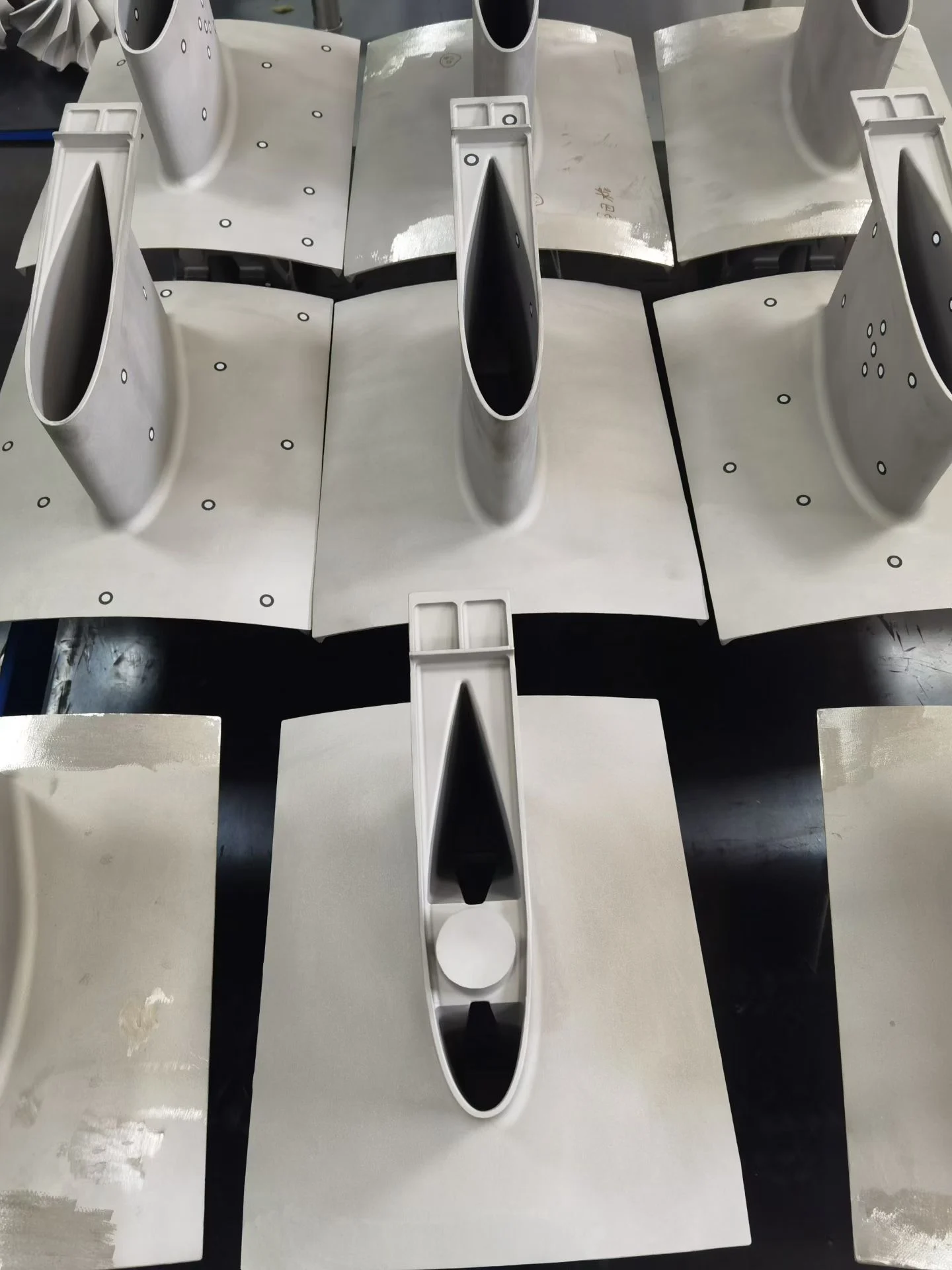
Precision 5-axis CNC fir-tree root milling guarantees seamless lock-in fitment for high-rpm gas turbine rotors, significantly reducing vibration and fatigue risks during continuous operation.
Material Grade Selection for Hot Section Turbine Components
Selecting the ideal nickel-base superalloy is paramount to long-term creep rupture resistance and thermal fatigue strength. An Inconel 713C turbine blade provides exceptional high-temperature strength up to 980°C alongside excellent oxidation resistance, making it an industry standard for industrial gas turbines and turbocharger rotors.
For higher thermal environments requiring elevated corrosion resistance against sulfur-bearing combustion gases, VastCasting processes Inconel 738LC and Mar-M247. Our foundry engineers assist procurement teams in matching alloy chemistry and heat treatment schedules to precise operational stress requirements for every specialized aerospace superalloy casting project.
Precision Vacuum Investment Casting & Ceramic Core Stability
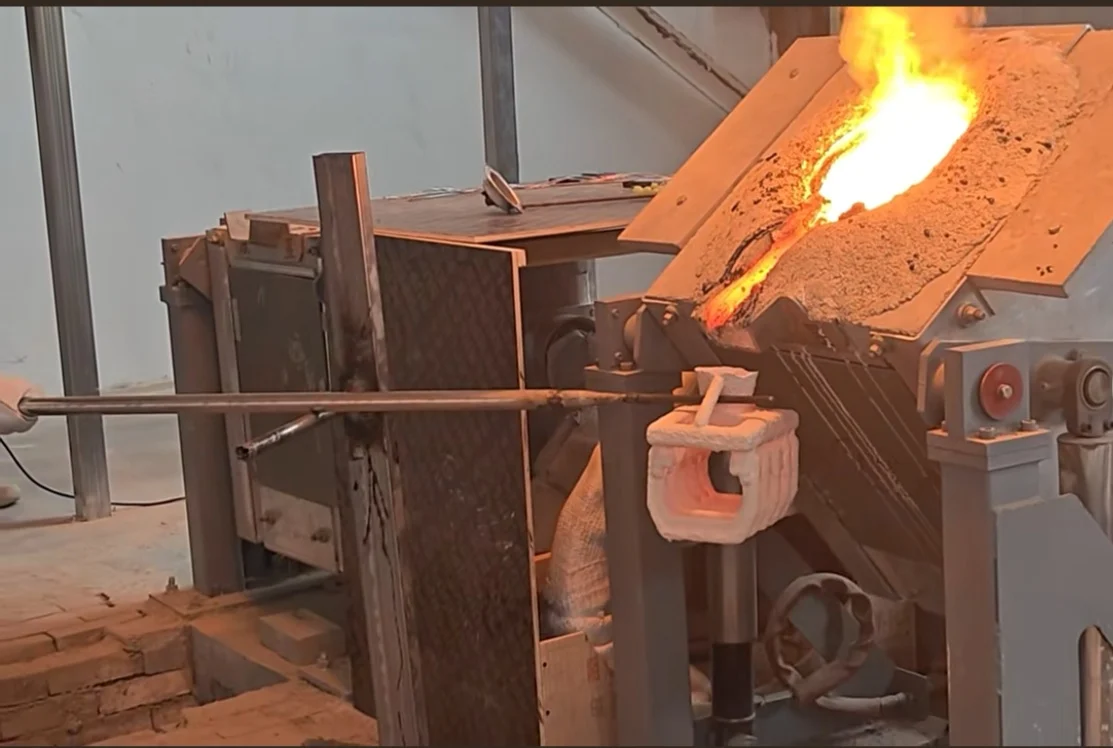
Achieving thin-wall airfoil geometry alongside intricate internal serpentine cooling passages requires specialized vacuum investment casting techniques. Liquid superalloy is poured under high vacuum (VIM) to prevent element oxidation and slag inclusion within narrow wall sections.
Utilizing custom-formulated ceramic cores with ultra-low thermal expansion profiles ensures that cooling airway alignments remain stable during molten metal pouring. Following solidification, caustic leaching completely clears the core material without causing stress corrosion cracking on the internal superalloy surfaces.
Manufacturing Challenges and Mold Flow Simulation
Producing high-temperature superalloy turbine blades requires systematically overcoming complex metallurgical and geometric limitations. VastCasting combines predictive mold flow simulation, advanced ceramic core stabilization, and precise vacuum thermal cycles to systematically resolve internal porosity, core movement, and profile distortion before tool steel is cut.
 Challenge 01
 Complex Airway Ceramic Core Alignment
Intricate serpentine cooling channels within nickel-base superalloy blades are prone to core float and shift, leading to dangerous wall-thickness variations under high-temperature pouring conditions.
Our team engineered high-precision positioning fixtures and low-expansion turbine blade ceramic core systems to lock internal passages securely in place during vacuum shell building and metal pouring.
- Low thermal expansion alumina-silica core formulations
- Multi-point mechanical datum fixtures for core stabilization
- Complete core removal through automated chemical leaching
 Challenge 02
 Superalloy Shrinkage Defect Elimination
Narrow freezing ranges and high thermal contraction in nickel superalloys lead to internal microporosity and severe superalloy shrinkage defect formation in heavy root sections.
VastCasting deployed ProCAST mold flow simulation filling and thermal solidification numerical analysis to optimize gating and riser systems, increasing liquid metal feeding yield and structural density.
- Finite element thermal profile and liquid feeding optimization
- Gating tree redesign for balanced vacuum induction pouring
- 100% industrial X-ray radiographic inspection compliance
 Challenge 03
 Thin-Wall Blade Tip Distortion Control
Thin trailing edges and delicate blade tips experience thermal stress release during high-temperature solution and aging heat treatments, causing surface profile distortion.
We developed customized anti-sagging ceramic support fixtures and calibrated multi-stage vacuum heat treatment furnace cycles to relieve internal stresses while holding complex 3D airfoil contours.
- Optimized multi-stage vacuum solution heat treatment curves
- Custom anti-sagging ceramic fixtures during thermal cycles
- 3D CMM optical scan validation against CAD nominal models
Predictive Mold Flow Simulation in One-Stop Production
Executing a successful superalloy turbine blade project requires seamless coordination between foundry metallurgy and precision machining. VastCasting tooling and simulation engineers perform predictive mold flow simulation using advanced ProCAST numerical software prior to wax tooling creation. Beyond aerospace applications, our advanced capabilities extend to specialized components like petrochemical-equipment-parts and high-durability valve-body-fittings. This multi-physics analysis identifies thermal hotspots, predicts mold filling velocity, and pinpoints stress concentration points early in the development cycle.
By executing ceramic core manufacturing, vacuum investment casting, and 5-axis CNC root machining under a single operational roof, VastCasting eliminates split supply chain disputes between foundries and machine shops. Beyond high-temperature alloys, we also offer custom production solutions such as stainless-steel-castings for diverse industrial demands. This single-source delivery framework reduces development lead times, minimizes costly tooling redesigns, and guarantees first-article engineering success for global energy and aerospace equipment manufacturers.
- ProCAST Finite Element Solidification Analysis
- ASTM E192 Radiographic Level I/II Compliance
- ASTM E1417 Fluorescent Penetrant Inspection
- Integrated In-House Casting & CNC Tooling
Casting and 5-Axis Machining: One-Stop Process Integration
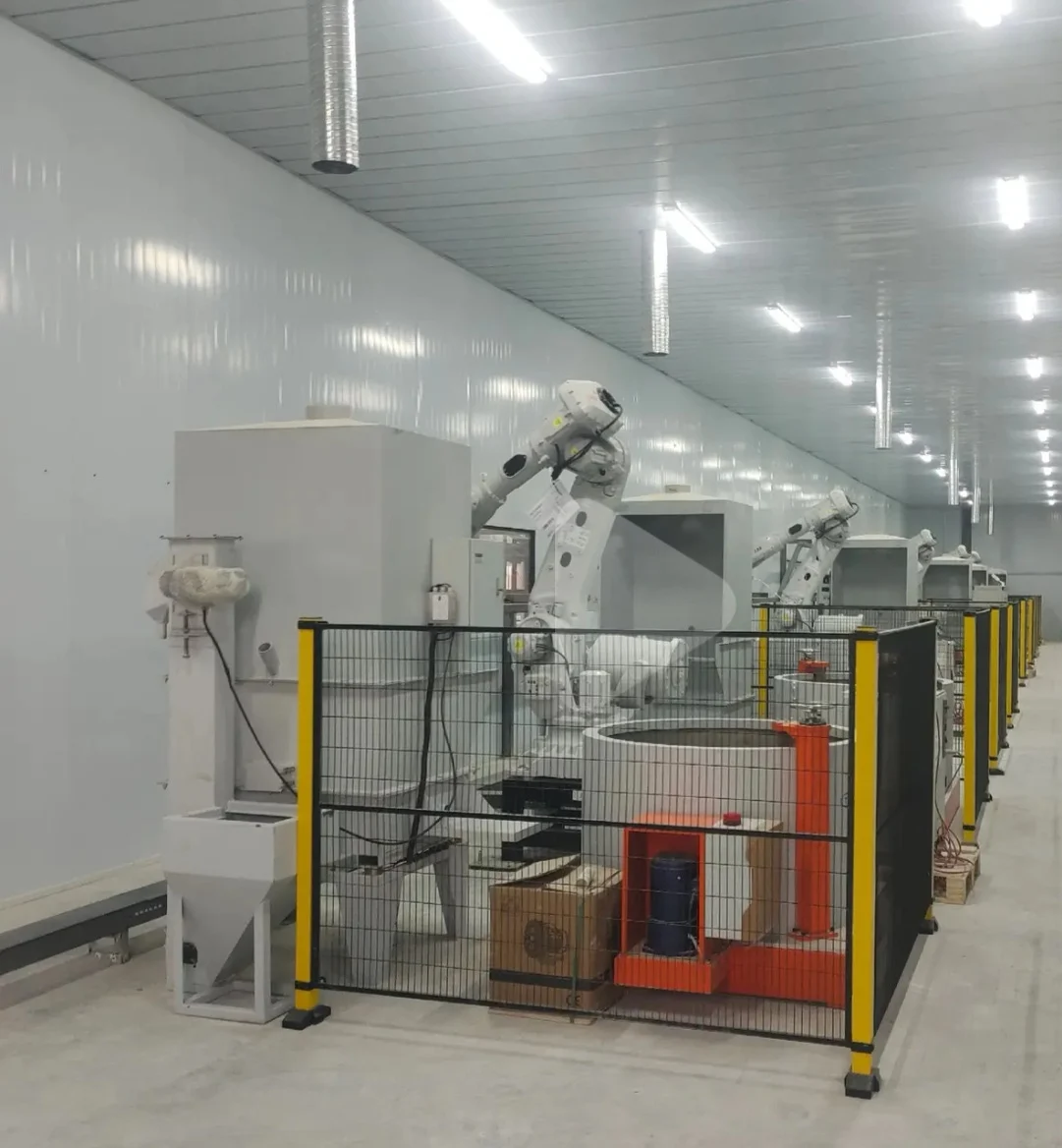
VastCasting unifies the entire manufacturing process — from raw investment casting blanks to finished 5-axis CNC machined parts — within a single facility. This integrated approach eliminates multi-vendor handoffs, drastically reduces transit risks, and compresses lead times for critical superalloy turbine blade and vane programs.
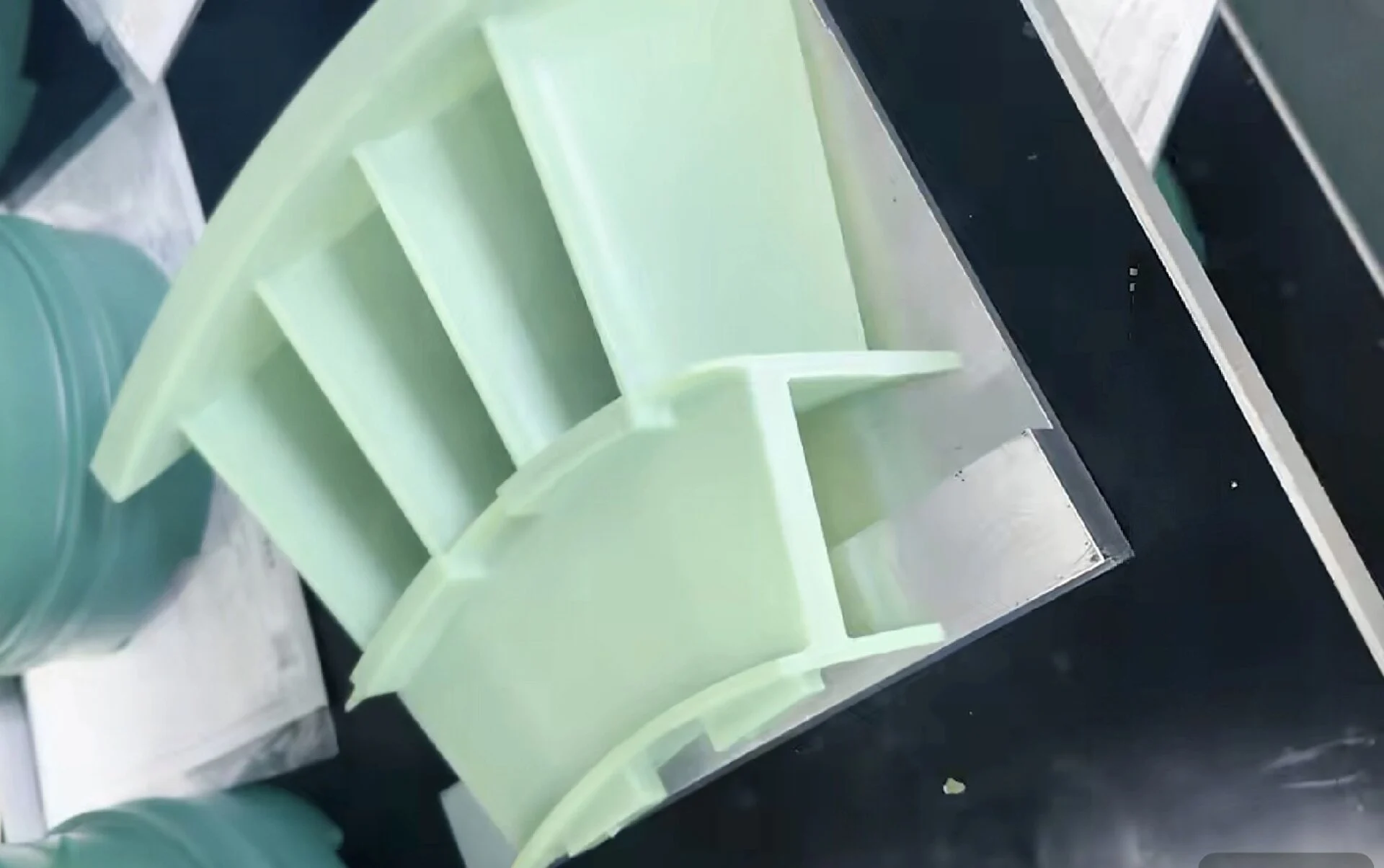
Wax Injection and Assembly
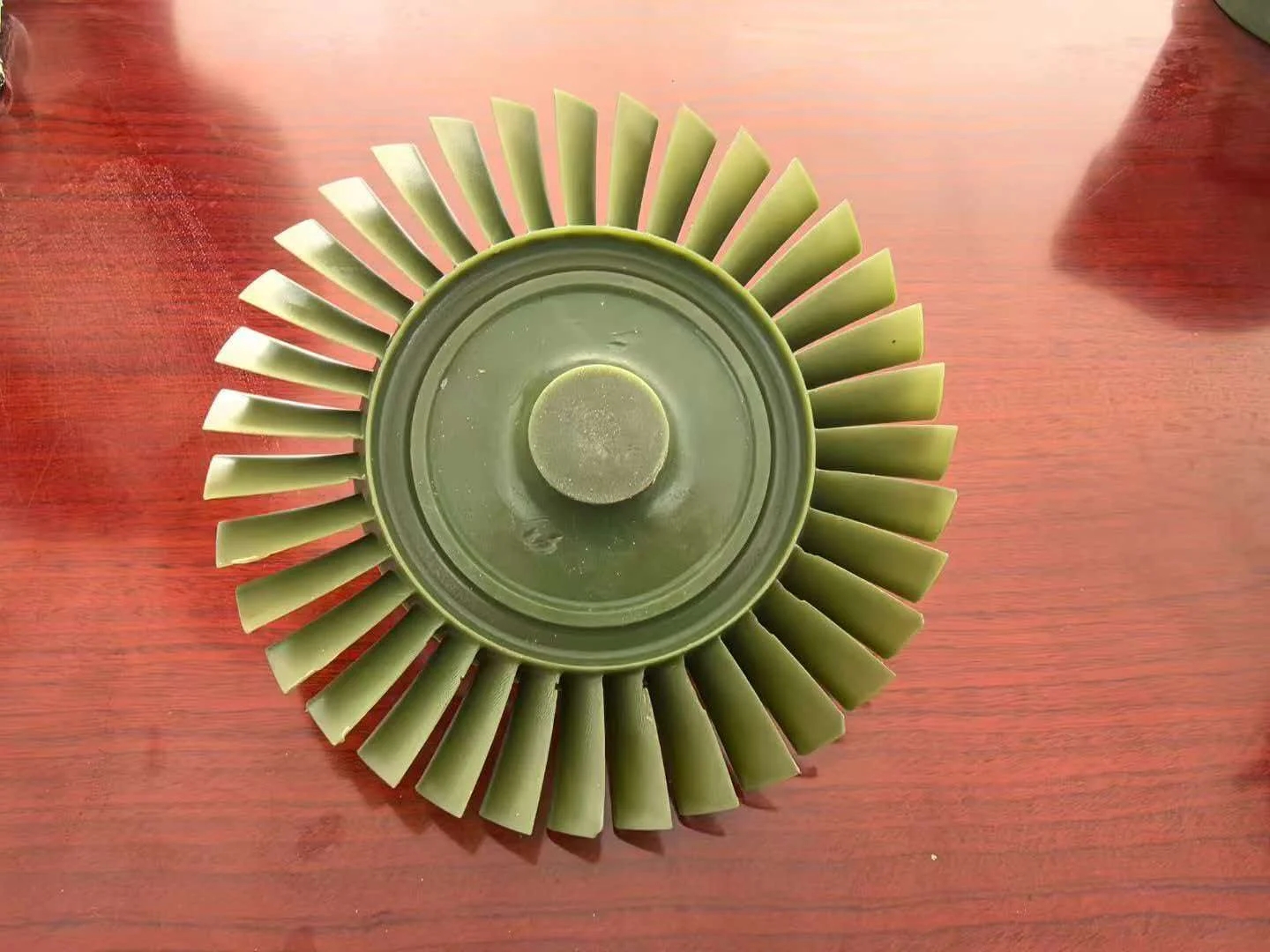
The manufacturing cycle begins with automated wax injection into precision-machined aluminum tooling. Each wax pattern faithfully replicates the exact geometry of the turbine blade, incorporating high-precision ceramic core inserts to define internal cooling channels. Sub-millimeter accuracy at this stage directly governs wall thickness uniformity in the final casting.
- Automated wax injection ensures consistent pattern density, exceptional dimensional repeatability, and smooth surface finishes across production runs.
- High-precision tree assembly attaches multiple blade patterns to a central sprue system designed for optimal shell construction and balanced metal flow.
- Ceramic core integration establishes serpentine internal cooling passages with strict dimensional tolerances held to ±0.05 mm.
Why it matters: Wax pattern fidelity is the foundation of dimensional compliance in investment casting. Eliminating variation at Step 1 prevents compounding errors in downstream operations.
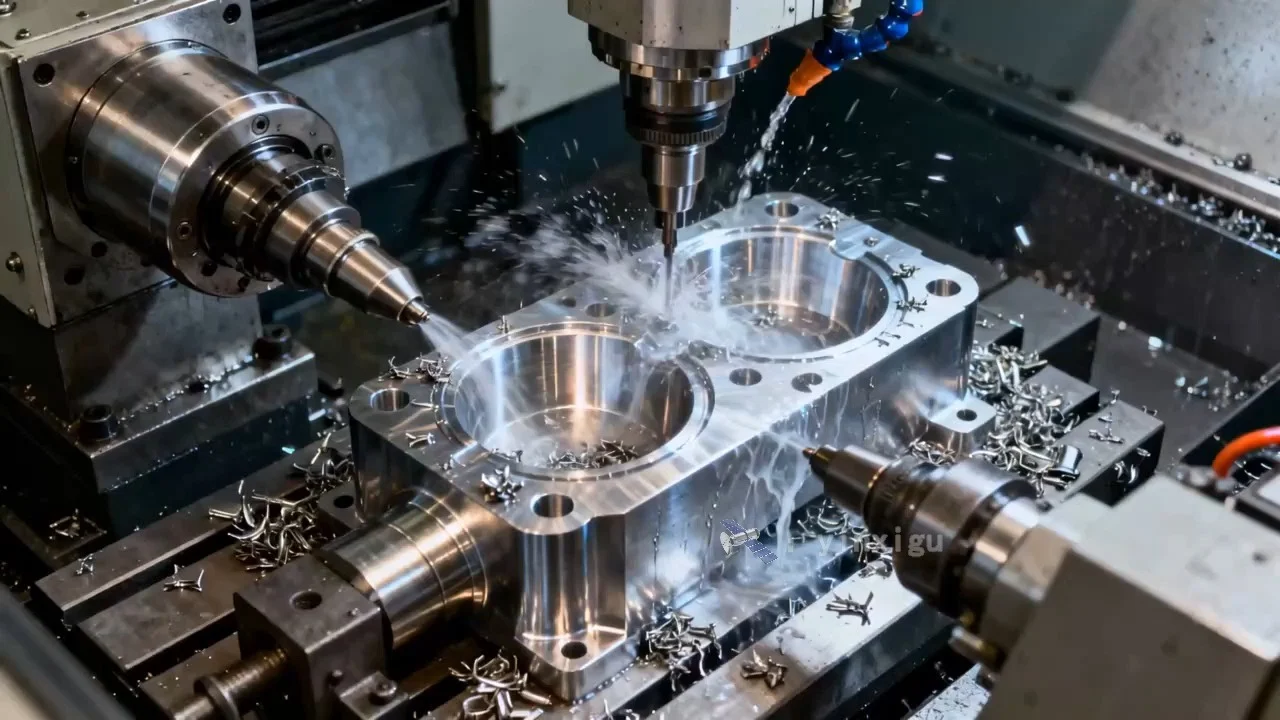
5-axis CNC machining holds blade root profile accuracy required for industrial gas turbine disc assembly.
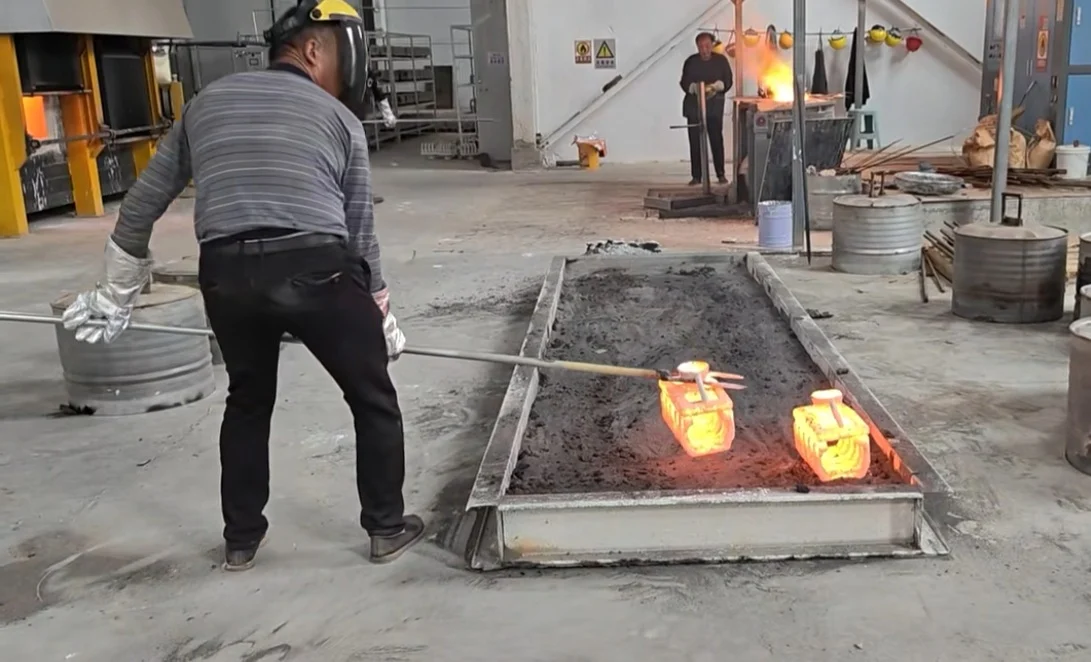
Every step from wax injection to finished machined part is completed within VastCasting's single facility.
Integrated casting and machining eliminates inter-supplier logistics, cutting delivery cycles versus split-source programs.
Why One-Stop Casting and Machining Matters for Superalloy Turbine Blades
Superalloy turbine blade programs are among the most demanding manufacturing challenges in the energy and aerospace sectors. The combination of complex internal cooling geometry, tight dimensional tolerances, and the inherent difficulty of machining nickel-base alloys means that supply chain fragmentation — splitting casting and machining between separate vendors — introduces compounding risk at every handoff point.
When a raw investment casting blank travels from a foundry to a separate CNC machining facility, dimensional datum references can shift, transit damage can introduce micro-cracks undetectable without re-inspection, and responsibility for out-of-tolerance conditions becomes contested. For hot section components operating at temperatures above 900 °C, these risks are unacceptable.
VastCasting's integrated approach to 5-axis CNC turbine blade machining addresses this directly. By retaining the casting blank within the same facility and transferring it to the machining center with original datum fixtures intact, the team eliminates re-qualification steps and maintains a single chain of custody for all dimensional and material records.
Blade Root Fir-Tree Machining: Technical Requirements
The fir-tree root profile is the most dimensionally critical feature on a turbine blade. It must mate precisely with the turbine disc slot to distribute centrifugal loads evenly across multiple contact faces. Profile errors as small as 0.05 mm can cause fretting fatigue at the root-disc interface, leading to premature blade liberation.
Blade root fir-tree machining on nickel-base superalloys requires carbide tooling with aggressive coolant strategies to manage work hardening. VastCasting's 5-axis machining centers use high-pressure through-spindle coolant and adaptive feed rate control to maintain consistent chip load across the full depth of the fir-tree profile, achieving surface finishes of Ra 0.8 µm or better on contact faces.
The same single-setup operation machines the airfoil leading and trailing edges, platform seal faces, and tip geometry — ensuring that all features share a common datum and that the finished blade meets the 3D CMM point cloud requirements specified in the customer's inspection plan.
Vacuum Investment Casting as the Foundation for Precision Machining
The quality of the investment casting blank directly determines the machining allowance available and the risk of encountering subsurface porosity during material removal. VastCasting's vacuum investment casting process for Inconel 713C, Inconel 738LC, and Mar-M247 produces near-net-shape blanks with consistent wall thickness and minimal macro-shrinkage, reducing the stock removal required at the machining stage. In addition to high-temperature superalloys, we offer dedicated solutions for superalloy high-temp castings engineered for extreme operational environments.
ProCAST mold flow simulation is used before tooling is cut to predict solidification behavior, optimize riser placement, and identify potential shrinkage zones in the blade root and platform regions. This digital pre-validation step means that the first physical casting already reflects an optimized gating design — reducing scrap rates and accelerating first-article approval timelines for new turbine blade programs.
For procurement engineers and OEM program managers evaluating one-stop casting machining suppliers, VastCasting's integrated process offers a single point of accountability from raw alloy chemistry through finished part dimensional certification — with all inspection records, heat treatment logs, and NDT reports consolidated in one quality dossier per delivery lot.
Superalloy Turbine Blade NDT Inspection and Quality Assurance
Critical hot section turbine components operating under extreme thermal gradients and high rotational stress demand total structural integrity. At VastCasting, every superalloy turbine blade project undergoes rigorous turbine blade NDT inspection and thorough dimensional verification in our specialized quality lab. Operating under strict industrial and aerospace standards, our in-house facility guarantees material compliance, internal soundness, and precise geometric accuracy for demanding nickel-base superalloys, including Inconel 713C, Inconel 738LC, and Mar-M247. Explore our full range of industrial casting products to see how we maintain excellence across all alloy grades.
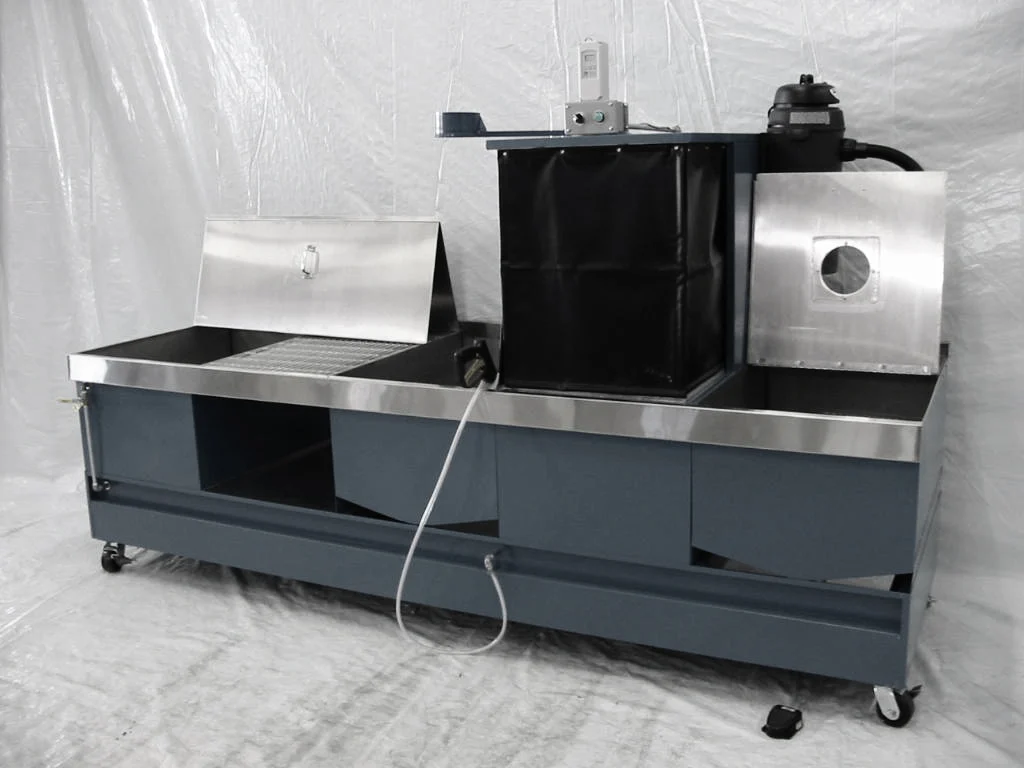
Fluorescent Penetrant Inspection (FPI)
Our FPI fluorescent penetrant testing protocols deliver 100% surface micro-crack detection in compliance with ASTM E1417 and AMS 2644 specifications. Utilizing high-sensitivity Level 3 dye penetrants, our certified technicians inspect complex airfoil surfaces, leading edges, and intricate fir-tree root serrations to detect micro-porosity and thermal stress cracks.
- Coverage: 100% surface evaluation on every casting lot
- Target Defects: Micro-cracks, cold shuts, and shrinkage pores
- Personnel: ASNT Level II & Level III certified NDT inspectors
Radiographic Testing (X-Ray Inspection)
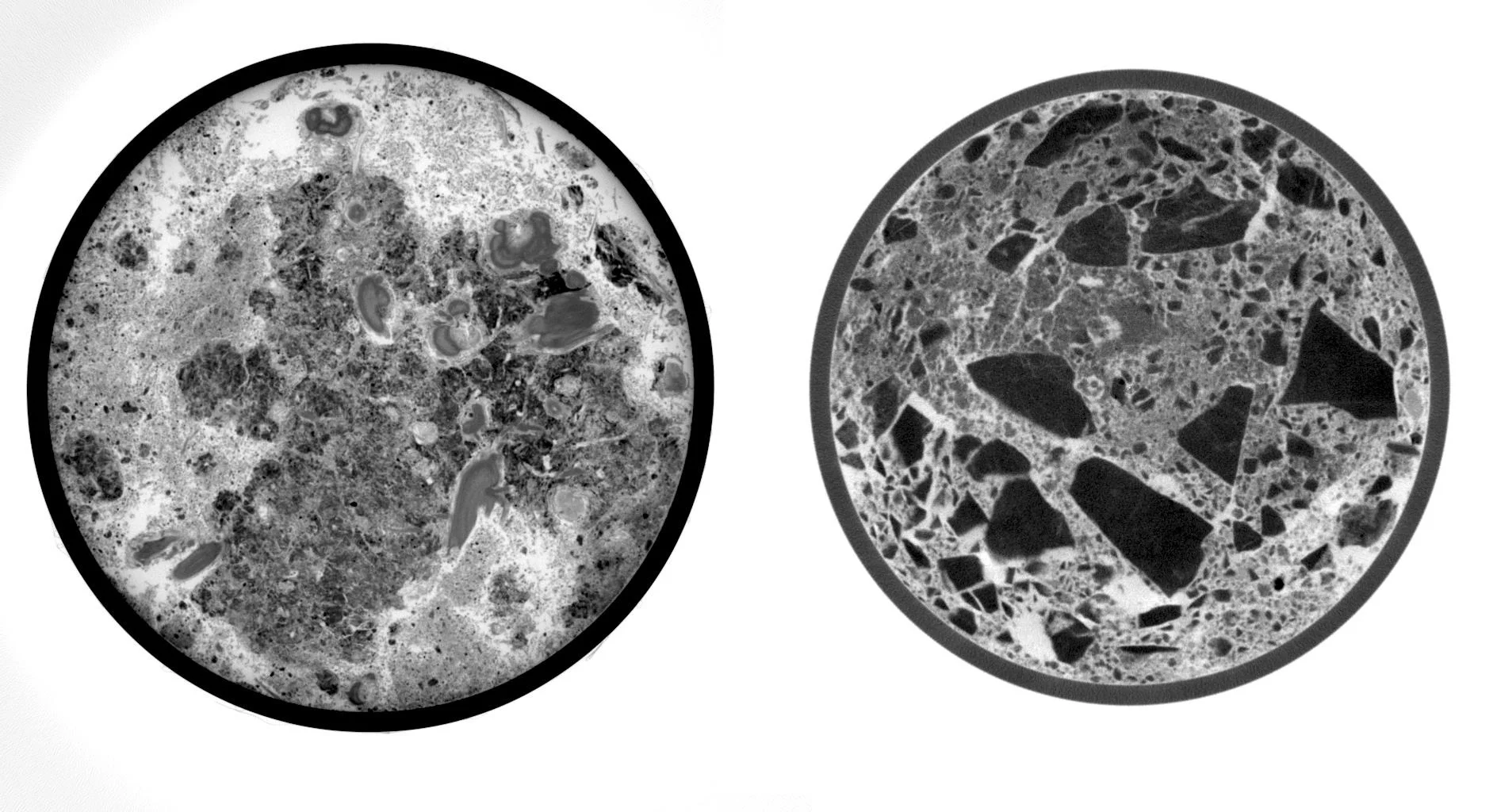
High-energy digital radiography provides non-destructive evaluation of internal casting soundness, ensuring parts meet Level I and Level II defect acceptance limits. Industrial X-ray imaging verifies ceramic core alignment, detects internal shrinkage voids, and ensures serpentine cooling channels remain completely unobstructed.
- Standard: ASTM E192 & ASTM E1030 industrial radiographics
- Verification: Core shift, ceramic core inclusions, subsurface voiding
- Traceability: Digital image archiving linked to individual part serials
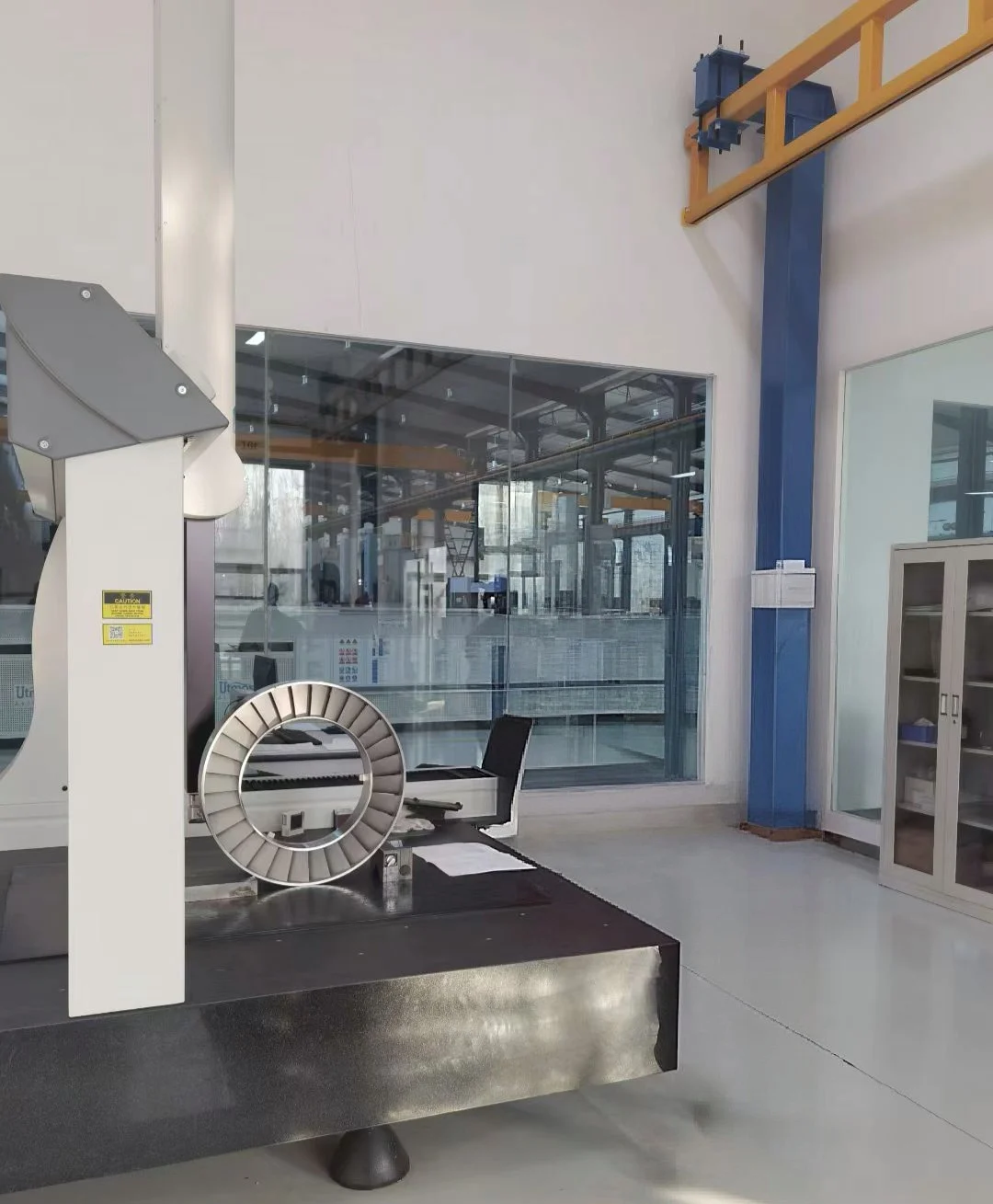
3D CMM & Optical Surface Scanning
Advanced superalloy CMM inspection combines contact coordinate measurement with blue-light 3D optical surface scanning to verify tight tolerances down to ±0.03mm. We project full 3D point-cloud heatmaps directly against native CAD models to validate complex airfoil twist profiles and 5-axis milled fir-tree root contours.
- Accuracy: Dimensional mapping to ±0.03mm tolerance
- Features: Airfoil twist, wall thickness, fir-tree root pitch & profile
- Output: 3D deviation heatmaps and automated measurement protocols
Material PMI & Metallographic Examination
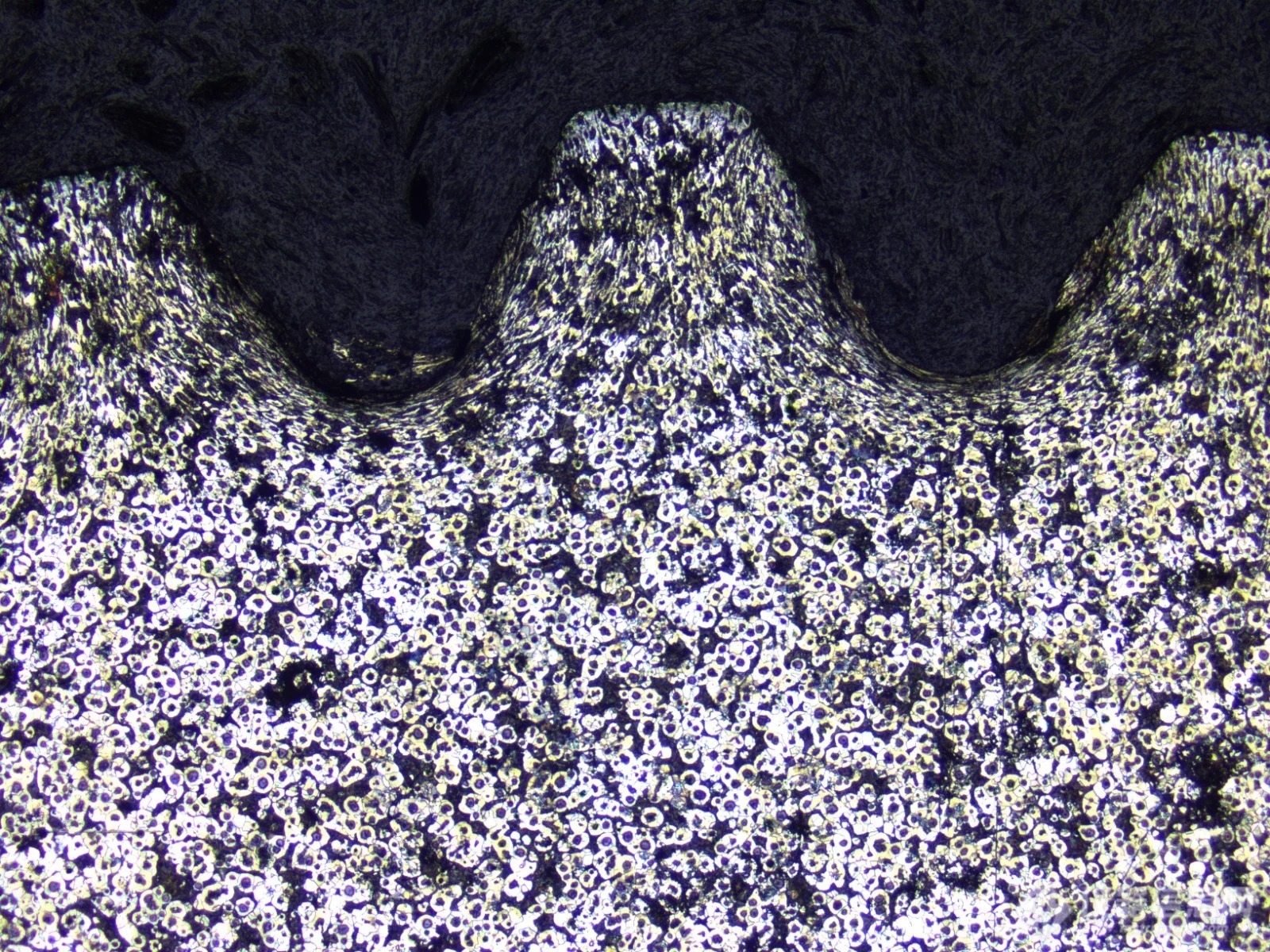
Positive Material Identification (PMI) conducted via optical emission spectrometry guarantees exact elemental chemistry for every melt heat. In-house metallographic analysis confirms uniform equiaxed grain structures, optimal gamma-prime phase distribution, and complete solution and aging heat-treatment compliance.
- Analysis: Full spectroscopic elemental verification per heat lot
- Metallography: Grain structure examination and phase analysis
- Mechanicals: High-temperature stress-rupture and tensile testing
Integrated Quality Protocol for Hot Section Investment Castings
Uncontrolled defects in hot-section turbomachinery can lead to severe operational downtime and equipment damage. Beyond high-temp alloys, our foundry capabilities extend to stainless-steel-castings and specialized corrosion-resistant components. To mitigate performance risks in industrial gas turbines, power generation systems, and specialized petrochemical-equipment-parts, VastCasting embeds non-destructive testing directly into our single-site vacuum investment casting and 5-axis CNC machining workflow. By eliminating third-party transit delays and maintaining full ownership of quality verification, we deliver fully certified components engineered for demanding thermal environments.
| Inspection Category | Testing Standard | Inspection Scope | Acceptance Threshold |
|---|---|---|---|
| Fluorescent Penetrant (FPI) | ASTM E1417 / AMS 2644 | 100% surface, leading/trailing edges, root serrations | Zero linear cracks; round indications < 0.4mm |
| Radiographic Testing (X-Ray) | ASTM E192 / ASTM E1030 | Internal serpentines, cooling channels, blind cavities | Class I / Class II industrial acceptance |
| 3D Coordinate & Optical CMM | ISO 10360 / ASME Y14.5 | Airfoil profile, twist angle, fir-tree root form | Dimensional profile tolerance ±0.03mm |
| Chemical PMI & Spectrometry | ASTM E1476 / GB/T 4336 | Nickel-base superalloy chemistry per pour heat | 100% compliance with raw material spec |
Internal Cavity & Cooling Airway Validation
Advanced air-cooled turbine vanes and blades rely on consistent wall thickness surrounding internal ceramic cores. Utilizing custom radiographic alignment fixtures and ultrasonic thickness gauges, VastCasting validates core positioning and verifies unobstructed airflow through serpentine channels before high-precision root machining begins.
Complete Certification & Traceability Binders
Every production lot delivered by VastCasting includes a complete Quality Assurance Documentation Binder. OEM procurement teams receive melt chemistry certificates, vacuum heat-treatment chart logs, FPI compliance sheets, digital X-ray archives, and detailed 3D CMM inspection protocols for total batch traceability.
Require Sample Inspection Reports for Your Turbine Project?
Evaluate VastCasting's engineering compliance firsthand. Request a sample quality documentation package—including FPI certifications, X-ray radiograph samples, and 3D CMM point cloud reports for superalloy turbine components.
Related Capabilities & Technical Pillars
VastCasting continuously expands its precision investment casting and 5-axis CNC machining capabilities across superalloys and specialized metals, offering an extensive range of industrial products to serve global energy and propulsion OEMs.
 Products
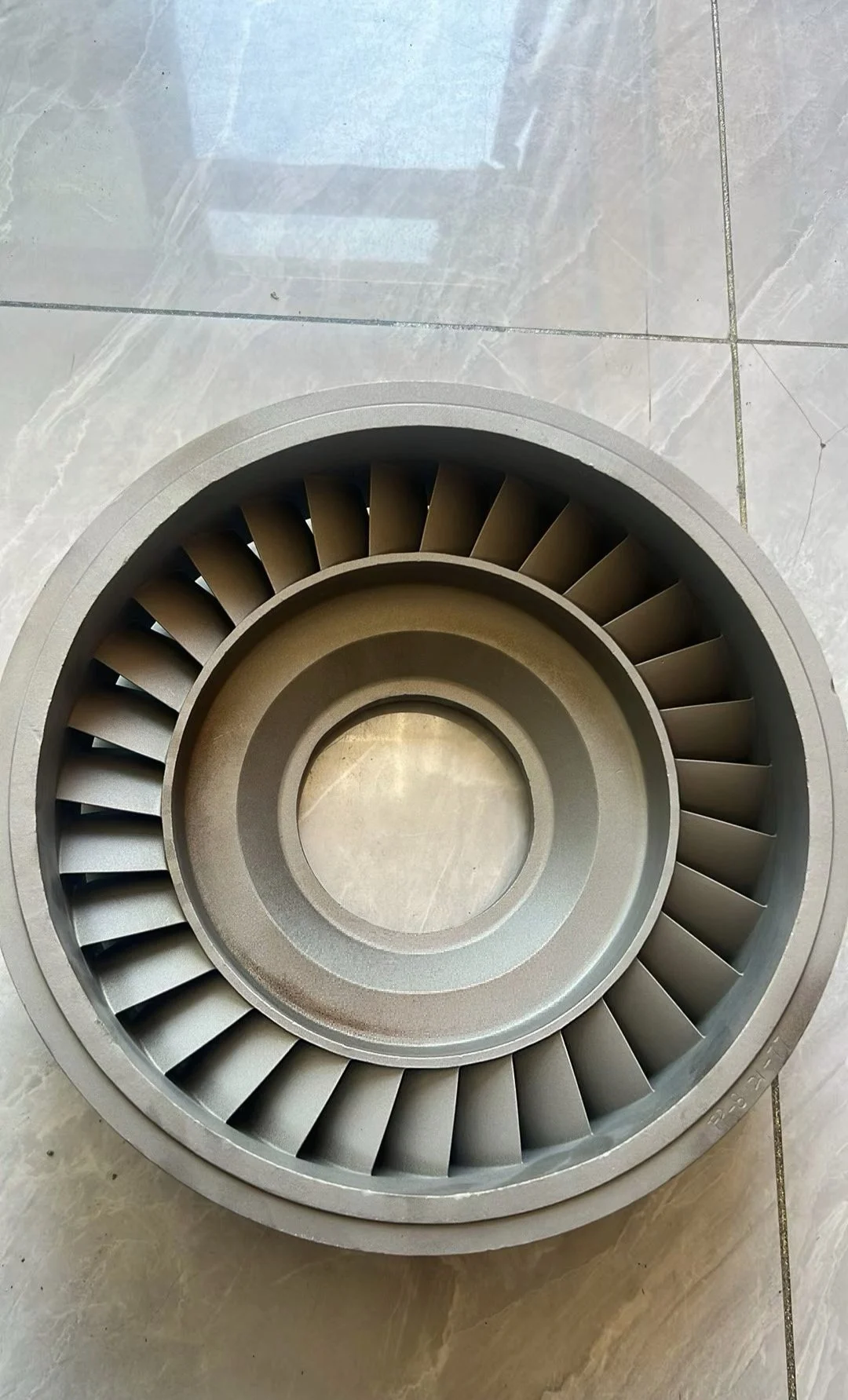
 Turbine Blades & Vanes
Precision vacuum investment-cast blades and nozzle guide vanes engineered for extreme-temperature, high-stress turbine environments.
 Materials
 Superalloys
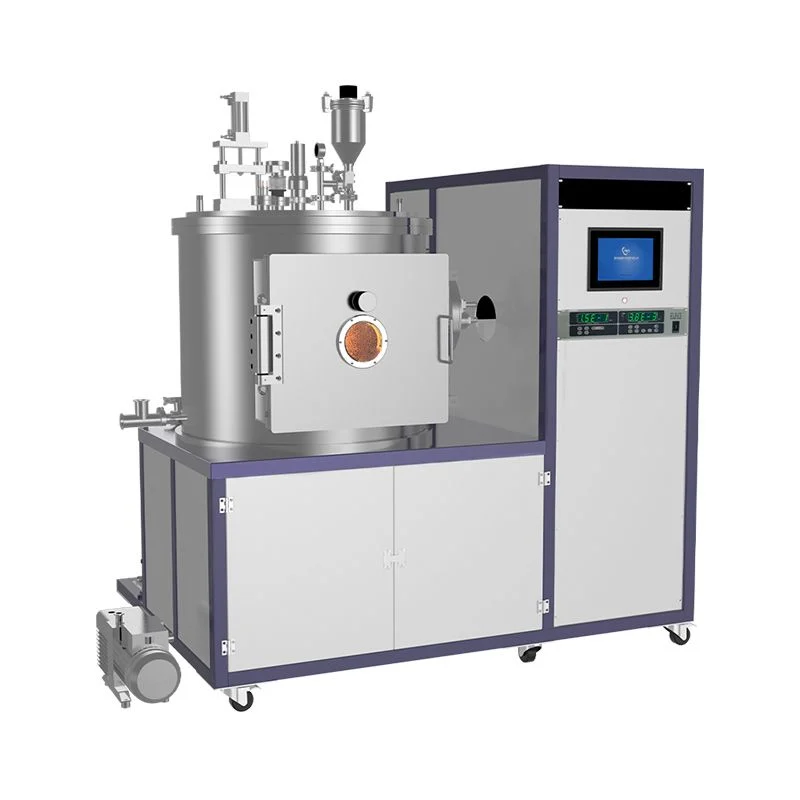
Vacuum induction melting and casting of nickel-base and cobalt-base superalloys, alongside specialized stainless steel castings, including Inconel 713C, 738LC, and Mar-M247.
 Industries
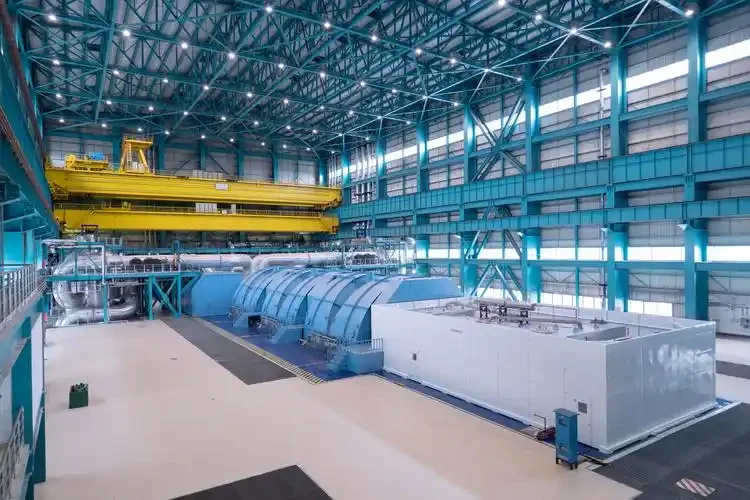
 Power Generation
Heavy-duty casting solutions engineered for industrial gas turbine hot sections, nuclear power, and energy recovery infrastructure, including specialized valve body fittings.
 Capabilities
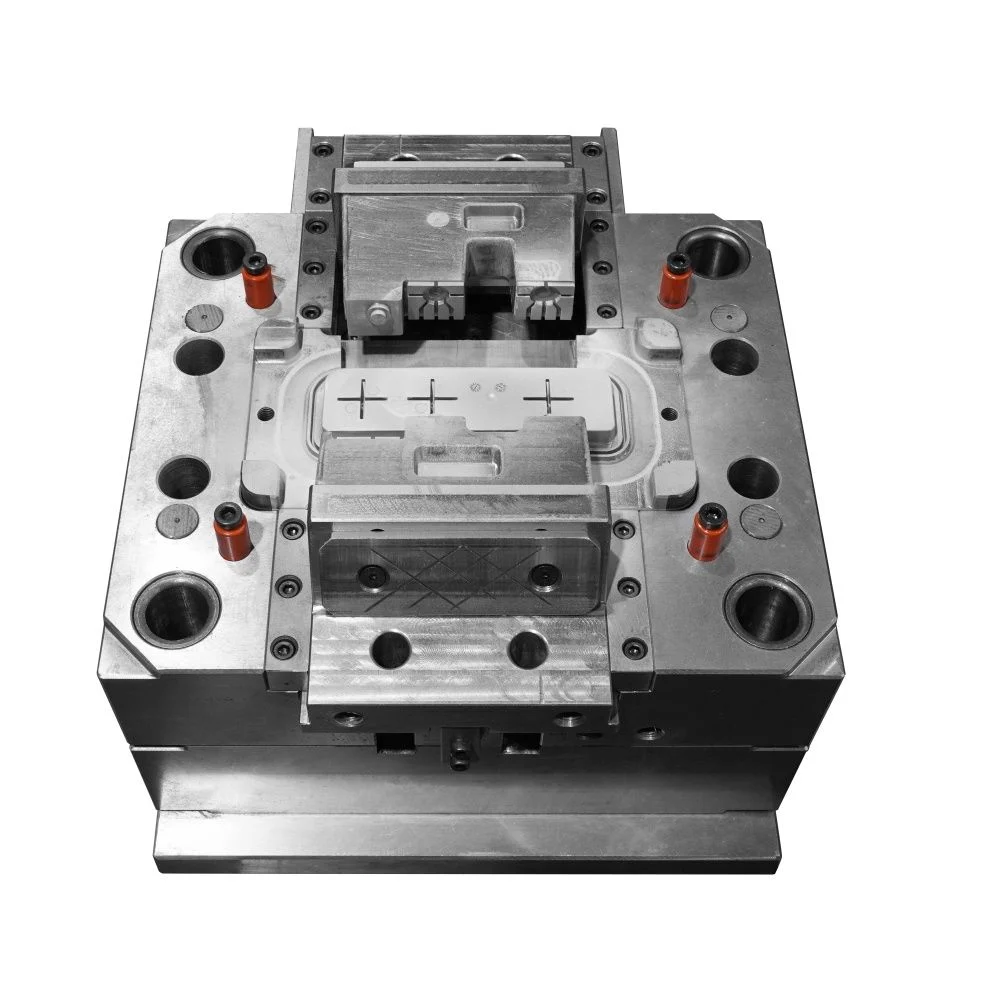
 Mold Design
In-house ceramic core development, ProCAST numerical simulation, and precision tooling design for complex internal cooling channels.
Ready to Launch Your Superalloy Turbine Blade or Vane Project?
Upload your STEP or IGES CAD files today. Metallurgy and CNC engineering teams at VastCasting will evaluate your geometry and provide a complete Design for Manufacturability (DFM) review and quotation within 24 hours for your superalloy high temp castings.
24-Hour Technical DFM Review
Comprehensive analysis of ceramic core placement, wall thickness, and gating.
Vacuum Precision Investment Casting
High-integrity metallurgical structure tailored for severe thermal stress environments.
In-House 5-Axis CNC Machining
Precision fir-tree root milling and airfoil profiling within ±0.03mm tolerances.
Rapid First Article Delivery
Accelerated sample production accompanied by full NDT and CMM dimensional inspection.
Request a DFM Assessment
Submit your engineering parameters to consult directly with our superalloy casting manufacturer team.