One-Stop Automotive Aftermarket Castings & Precision CNC Machining
Eliminate vendor finger-pointing between separate foundries and machine shops.
As a leading provider of precision investment casting in China, VastCasting produces raw investment blanks and performs downstream CNC machining entirely in-house.
Our one-stop casting and machining workflow delivers turn-key solutions tailored for high-performance automotive aftermarket castings, exhaust components, and gearbox assemblies.
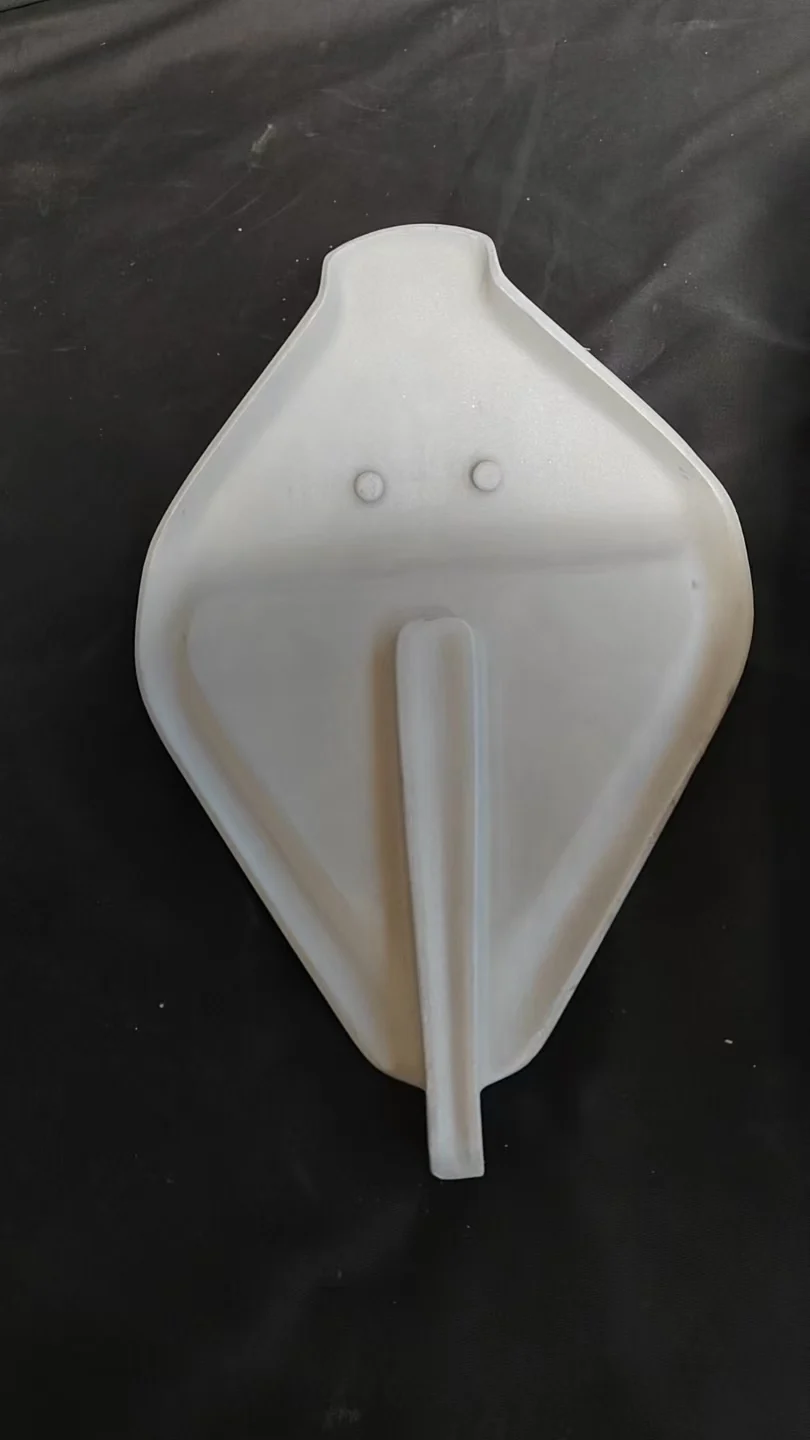 1. Raw Investment Casting
 Near-net shape castings featuring exceptional surface finish and structural integrity.
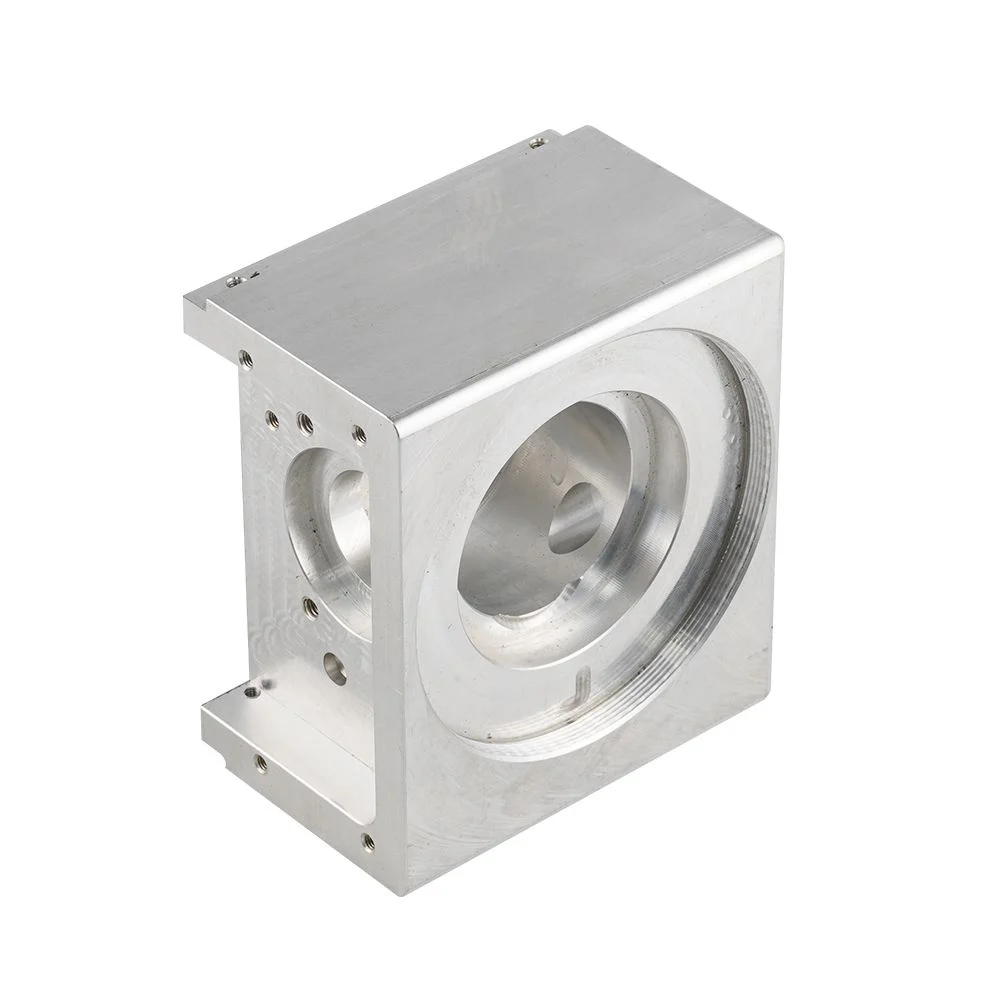 2. Precision CNC Machining
 In-house CNC milling and turning held to tight automotive engineering tolerances.
Why Automotive Aftermarket Sourcing Managers Struggle with Split Vendor Management
Dividing raw investment casting production and downstream precision CNC machining between separate suppliers introduces severe financial risk, unaccountable scrap costs, and delayed product launches. For aftermarket performance brand managers, resolving recurring casting vs machining issues across fragmented vendors erodes profit margins. Partnering with a fully integrated, turnkey aftermarket parts supplier eliminates liability gaps and guarantees single-source accountability from foundry to finished part.
Liability Deflection and Dispute Cycles
When subsurface gas porosity or dimensional drift emerges during secondary CNC milling, separate foundries and machine shops routinely deflect blame. Foundries accuse machine shops of improper fixture clamping or overly aggressive feeds, while machining facilities fault the foundry for insufficient machining allowances or material hardness variance.
- · Buyers absorb non-refundable CNC machining time and unrecoverable scrap costs
- · Neither supplier takes financial or technical responsibility for defective components
Fragmented Standards and Traceability Gaps
Conventional split vendor management creates fragmented inspection criteria. Raw foundry castings may pass visual checks, only to warp during uncoordinated heat treatment or reveal critical wall thickness failure during multi-axis machining, especially when producing complex severe-duty components such as valve body fittings. Without unified coordinate measuring, batch traceability breaks down across separate suppliers.
- · Inconsistent post-heat treatment dimensional compliance and structural integrity
- · Inability to link material test reports (MTR) directly to finished 3D CMM inspection sheets
Single-Source Manufacturing Accountability
By manufacturing raw silica sol investment castings, utilizing specialized alloy capabilities such as superalloy high temp castings, and executing precision CNC finishing under one roof, VastCasting completely eliminates multi-vendor dispute cycles. Investment casting, thermal heat treatment, multi-axis machining, and final CMM verification operate within a single, unified quality management system.
- ✓ 100% single-vendor technical accountability from raw alloy melt to final dimensional inspection
- ✓ Optimized casting tooling engineered specifically around downstream CNC fixture datums
Operational Comparison: Split Vendor Sourcing vs. Single-Source Model
Evaluating key supply chain parameters illustrates how partnering with a turnkey aftermarket parts supplier for solutions such as stainless steel castings reduces the total cost of ownership for automotive performance components while eliminating casting vs machining issues.
| Manufacturing Parameter | Dual-Vendor Model | VastCasting Integrated Model |
|---|---|---|
| Defect Responsibility | Disputed between separate casting and machine shops; buyer bears scrap costs | 100% single-source technical accountability; zero blame-shifting on porosity or tolerances |
| Tooling & Datum Alignment | Mismatch between foundry shrinkage allowances and downstream CNC machining fixtures | Coordinated engineering; casting tooling engineered directly against unified CNC datums |
| Quality Traceability | Fragmented inspection records split across separate casting and machining suppliers | End-to-end certification linking raw alloy melt chemistry to final 3D CMM reports |
| Production Lead Time | Extended by inter-factory freight shipping, buffer storage, and separate queue delays | Accelerated throughput with direct internal transfer from casting shakeout to CNC cell |
Process Selection Guide: Investment Casting + CNC vs Direct Aluminum Profile / Billet Machining
Selecting the ideal manufacturing methodology for aftermarket performance parts directly dictates unit production costs, lead times, and structural performance. When evaluating cast and machine vs profile CNC routes, mechanical engineers and procurement managers must balance internal geometric complexity against initial NRE tooling investments and long-term production volume targets.
At VastCasting, we manufacture custom turnkey solutions for high-performance aluminum automotive parts and superalloy high-temp castings. Whether your program requires near-net-shape silica sol investment casting with downstream CNC finishing or rapid direct profile CNC machining, our engineering team provides objective DFM guidance and single-source manufacturing execution.
Investment Casting + CNC Precision Finishing
Combining silica sol investment casting with downstream 5-axis CNC machining yields the most cost-effective path for intricate aluminum automotive parts featuring internal fluid channels, thin-walled cavities, or organic contours. By producing a near-net-shape casting, raw material waste is reduced by up to 80% compared to milling solid metal stock.
High-flow intake manifolds, custom turbocharger housings, exhaust wastegate bodies, high-performance water pump casings, and complex aluminum suspension knuckles.
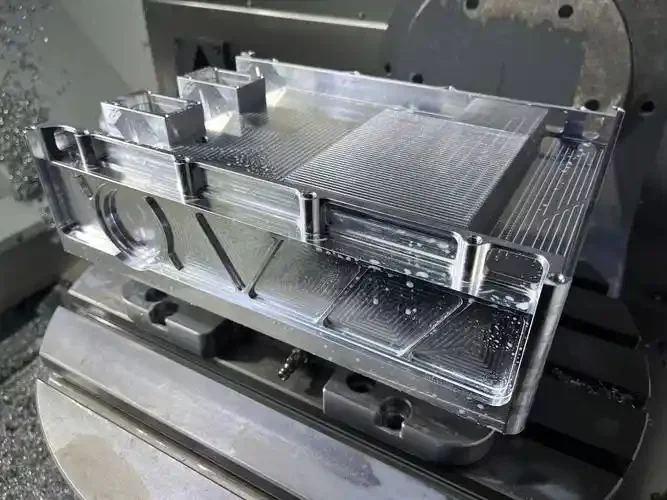
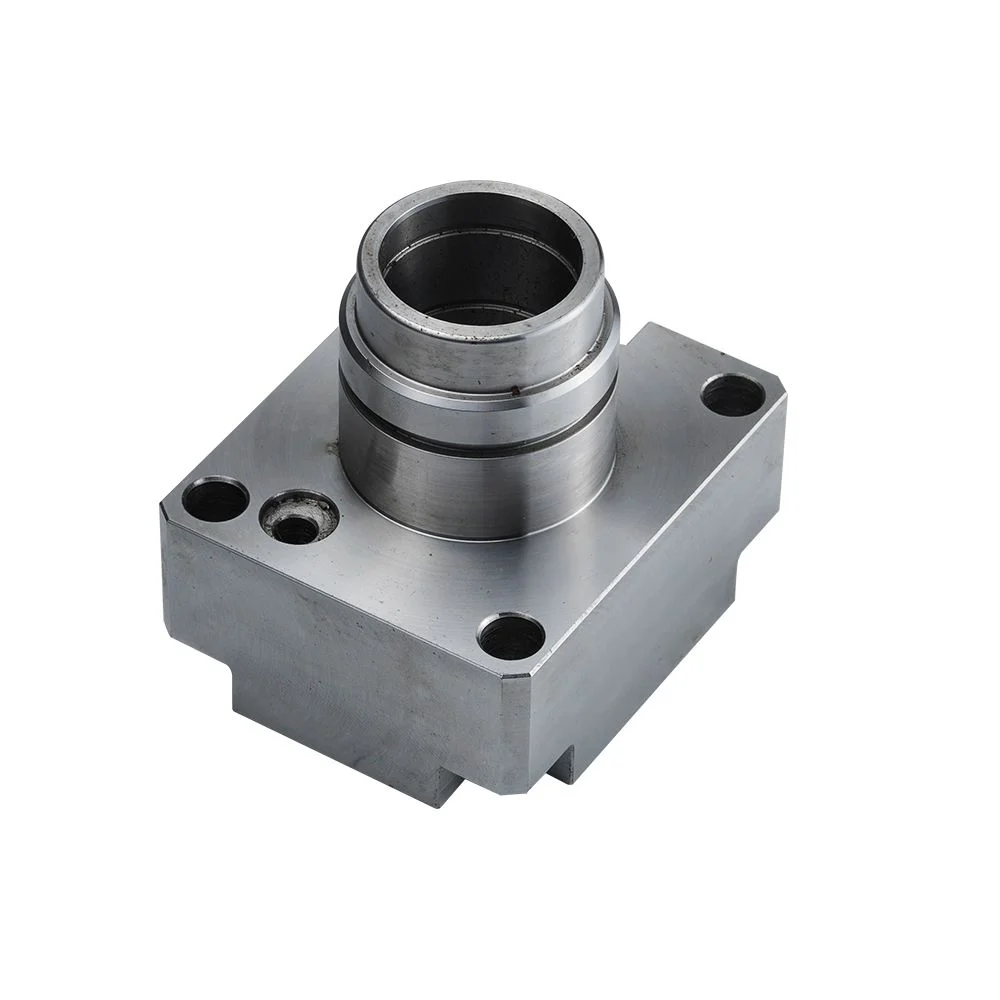
Near-Net Shape + CNC
Near-net investment casting paired with 100% CMM verified CNC surfaces.
Engineering Breakdown: Cost Optimization & Structural Selection
Evaluating cast and machine vs profile CNC manufacturing routes requires a comprehensive perspective on part geometry, production volume, and operational thermal demands. For high-performance aftermarket performance parts—such as turbocharger turbine housings, exhaust manifolds, and high-flow intake plenums—the internal fluid dynamic geometry typically determines the manufacturing route. For corrosion-resistant and high-strength requirements, manufacturers often choose stainless steel castings or specialized alloys. Attempting to machine complex organic internal channels directly from solid billet creates excessive machining cycle times and substantial scrap waste, driving up unit costs significantly.
By contrast, utilizing silica sol investment casting enables near-net-shape production with uniform wall thickness and smooth internal flow passages. For specialized fluid control applications, such as producing precision valve body fittings, downstream precision CNC machining then focuses exclusively on high-tolerance features: gasket sealing flanges, bearing seats, and O-ring grooves. This hybrid manufacturing approach drastically reduces costly spindle hours while maintaining strict precision tolerances down to ±0.01mm.
When to Choose Investment Casting + CNC:
- · Annual production volume exceeds 150–300 units per part number.
- · Component features complex organic geometry, internal cavities, or thin walls.
- · Component requires heat-resistant alloys such as Inconel, stainless steel, or A356 aluminum.
- · Minimizing raw material scrap is critical to meeting target unit margins.
When to Choose Direct Billet / Profile CNC:
- · Production volume is focused on rapid prototyping or ultra-short runs (<100 units).
- · Part geometry is prismatic with straight faces, flat planes, and simple mounting holes.
- · Immediate market delivery is required without waiting for wax mold die fabrication.
- · Component utilizes standardized extruded aluminum profiles or bar stock.
Unsure Which Process Fits Your Project?
VastCasting provides comprehensive Design for Manufacturability (DFM) evaluations. Our engineering team analyzes your 3D CAD models to recommend the most cost-effective manufacturing route between investment casting + CNC finishing and direct profile CNC machining.
Automotive Aftermarket Core Manufacturing Categories
VastCasting specializes in high-performance investment casting and in-house CNC machining for global automotive aftermarket brands. From lightweight aftermarket aluminum components to heat-resistant stainless steel castings, we deliver turnkey manufacturing with uncompromising dimensional accuracy across our full range of products.
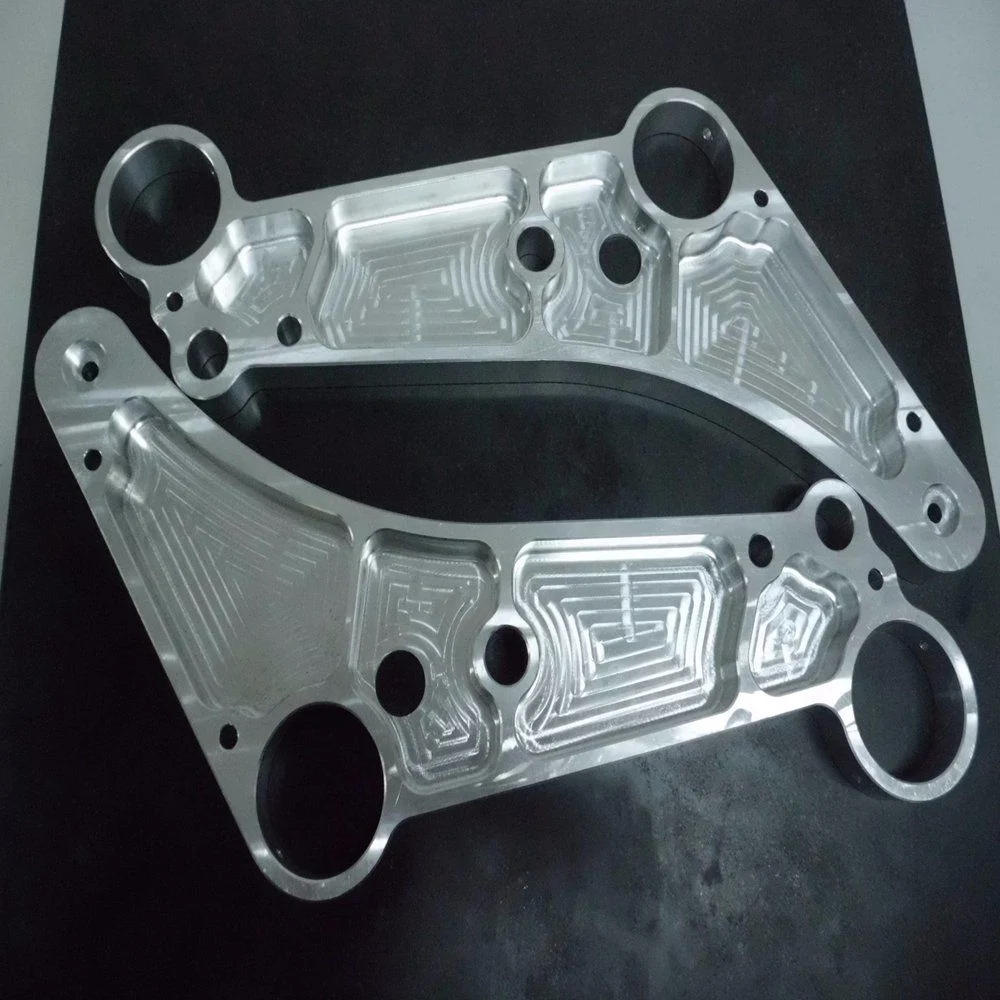
Automotive Tuning Parts
High-strength, weight-optimized automotive tuning parts engineered for horsepower gains and custom vehicle modifications. Manufactured using premium aluminum alloys to withstand extreme vibration and pressure stresses.
Sub-Products Included
- High-flow intake manifolds
- Custom throttle bodies
- Aluminum radiator water tanks
- Lightweight suspension brackets
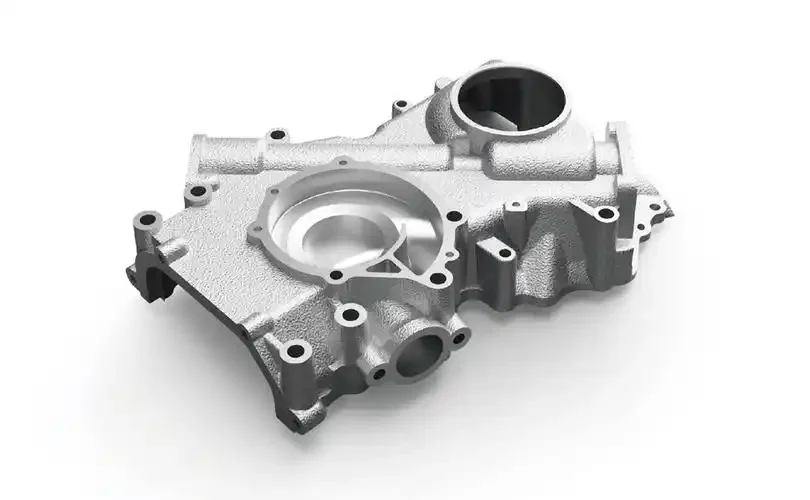
Gearbox & Exhaust Components
Critical investment cast gearbox and exhaust components built to endure intense exhaust heat, extreme fluid pressure, and severe mechanical torque. Cast in stainless steel and superalloys for maximum thermal endurance.
Sub-Products Included
- Heat-resistant exhaust manifolds
- Turbocharger housings
- Reinforced gearbox casings
- Exhaust valve body fittings
Automotive-Grade Material Selection & Full-Process Quality Assurance
Engineered for extreme thermal environments and high-vibration performance applications, VastCasting delivers verified material integrity and tight-tolerance precision. Our integrated investment casting and CNC facility utilizes multi-tier auto part quality inspection protocols to satisfy the most demanding global automotive aftermarket standards.
Substrate Versatility for High-Stress Applications
Selecting the optimal alloy is critical when balancing structural durability with vehicle weight reduction. VastCasting pours a comprehensive spectrum of lightweight aluminum automotive parts as well as specialized heat resistant exhaust casting materials designed for high-boost turbocharger systems and severe-duty racing engines.
| Category | Alloy Grades | Key Applications | Performance Characteristics |
|---|---|---|---|
| Lightweight Alloys | A356, 6061, 7075 | Intake manifolds, suspension brackets, radiator water tanks | High strength-to-weight ratio, excellent machinability, and rapid thermal dissipation. |
| High-Temp Stainless | 304, 316L, Duplex SS | Exhaust manifolds, valve body fittings, wastegate housings | Superior oxidation resistance and structural stability at operational temperatures up to 850°C. Our stainless steel castings process ensures long-term structural integrity. |
| Nickel Superalloys | Inconel 625, 713C | Turbocharger turbine housings, exhaust valves, motorsport components | Extreme thermal endurance up to 1,050°C with high creep strength under sustained load, highlighting our advanced superalloy high temp castings. |
- Lightweight Aluminum Alloys: Formulated for high-strength, low-density aluminum automotive parts that reduce unsprung weight and optimize drivetrain cooling.
- High-Temperature Alloys: Purpose-poured for heat resistant exhaust casting components subjected to continuous thermal cycling, extreme vibration, and high exhaust backpressure.
Full-Process Quality Inspection Architecture
Eliminating internal voids and dimensional variance requires a multi-stage testing architecture executed before melt pouring, during production, and after CNC machining.
Spectrographic Material Analysis
Executed on every melt heat lot prior to pouring. Verifies exact chemical element composition to guarantee metallurgical compliance and structural reliability.
X-Ray Non-Destructive Testing (NDT)
Advanced radiographic inspection identifies and eliminates subsurface gas inclusions, micro-porosity, and internal shrink defects before critical machining.
CMM 3D Coordinate Measuring
Automated multi-axis CMM measuring verifies downstream CNC machining tolerances down to ±0.01 mm for seamless drop-in aftermarket fitment.
Full Traceability & Quality Assurance
Every production batch includes complete documentation: Material Test Reports to EN 10204 3.1, dimensional CMM inspection sheets, and NDT certificates.
In-house CMM and non-destructive testing equipment at VastCasting ensure every auto part quality inspection meets rigorous automotive aftermarket tolerances.
Frequently Asked Questions: Custom Automotive Aftermarket Parts
Navigating technical requirements for high-performance automotive tuning, gearbox, and exhaust components requires absolute clarity on production capabilities, intellectual property safeguards, and quality assurance workflows. Review common questions regarding our single-source investment casting and CNC machining services below.
Does VastCasting support short-run or small-batch orders for niche aftermarket parts?
Yes. VastCasting specializes in flexible production strategies engineered specifically for low-volume, high-mix automotive programs. By utilizing modular tooling configurations, quick-change CNC fixtures, and optimized silica sol casting flasks, we bridge the gap between rapid prototyping and volume production.
Whether your program requires 10 prototype units for track testing or 500 annual sets for a specialized vehicle platform, our short run casting and CNC workflows provide cost-effective piece-part pricing without enforcing burdensome minimum order quantities.
Can VastCasting reverse engineer a part if I only have a physical sample without 3D CAD drawings?
Absolutely. Our engineering team routinely performs reverse engineering automotive parts for vintage applications, custom racing components, or legacy aftermarket assemblies lacking digital documentation. You can ship your physical sample directly to our engineering facility for full digitization.
Using high-precision 3D optical laser scanning, we generate dense point clouds to construct parametric STEP or IGES CAD models. Before manufacturing, our engineers run complete Design for Manufacturability analysis to optimize wall thicknesses, fluid flow channels, and CNC machining allowances.
How do you guarantee the protection of proprietary aftermarket design IP?
Protecting client intellectual property is fundamental to our business model. As an established custom aftermarket auto parts manufacturer, VastCasting executes standard non-disclosure agreements prior to receiving any CAD files, technical drawings, or physical samples.
All engineering files and quality records are stored on secure internal servers managed under strict role-based access controls. Your proprietary designs, tooling geometry, and custom tuning specs remain completely confidential and are never shared or repurposed.
What are the standard lead times for tooling, investment casting, and final CNC machining?
Lead times vary based on geometric complexity and material requirements, but standard timelines follow a structured turnaround schedule:
- Tooling Fabrication: 15 to 25 calendar days for precision aluminum casting dies.
- First Article Inspection: 7 to 10 days for initial sample casting, CNC finishing, and full CMM inspection.
- Batch Production: 3 to 4 weeks following sample approval for full-run casting, heat treatment, and precision CNC machining.
Expedited schedules are available for urgent product launches or time-sensitive racing season demands.
What quality certifications and inspection reports are included with shipments?
Every production lot manufactured by VastCasting undergoes full in-house quality control and includes comprehensive compliance documentation with final delivery:
- Material Test Reports: Chemical and mechanical property certificates verified via direct-reading spectrographic analysis per melt lot.
- CMM Dimensional Inspection: 3D coordinate measuring machine logs verifying critical CNC tolerances down to fine automotive specifications.
- Non-Destructive Testing: X-ray radiograph or dye penetrant inspection reports confirming zero internal shrink porosity in high-stress components, including specialized valve body fittings.
Have a Custom CAD File or Physical Sample?
Our senior automotive engineers perform complimentary Design for Manufacturability reviews for new investment casting and CNC machining inquiries. Send us your technical drawings or schedule a sample shipment for rapid engineering feedback.
Ready to Upgrade Your Automotive Aftermarket Supply Chain?
Eliminate split-vendor delays and quality disputes. Upload your STEP or DWG CAD files with material specifications to receive a complete DFM manufacturability assessment and competitive quote within 24 hours. VastCasting is your single-source manufacturing partner for precision investment casting and in-house CNC machining. We specialize in producing critical components, ranging from high-performance automotive parts to specialized valve body fittings and superalloy high temp castings for demanding environments.
Direct Engineering Contact
Connect directly with our engineering team for immediate technical evaluation and drawing submissions.
Supports STEP, IGES, DWG, and PDF CAD formats